
Last updated November 23, 2026
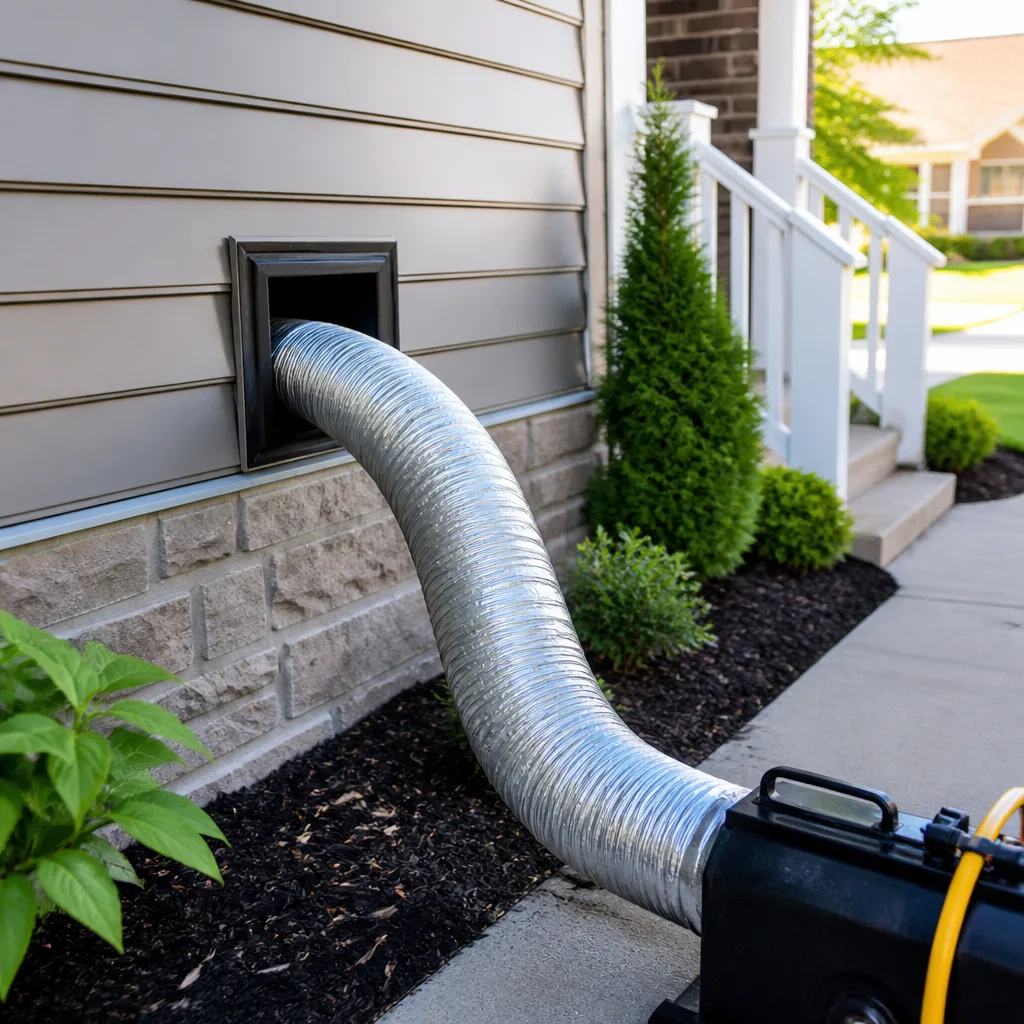 Whole-home duct cleaning
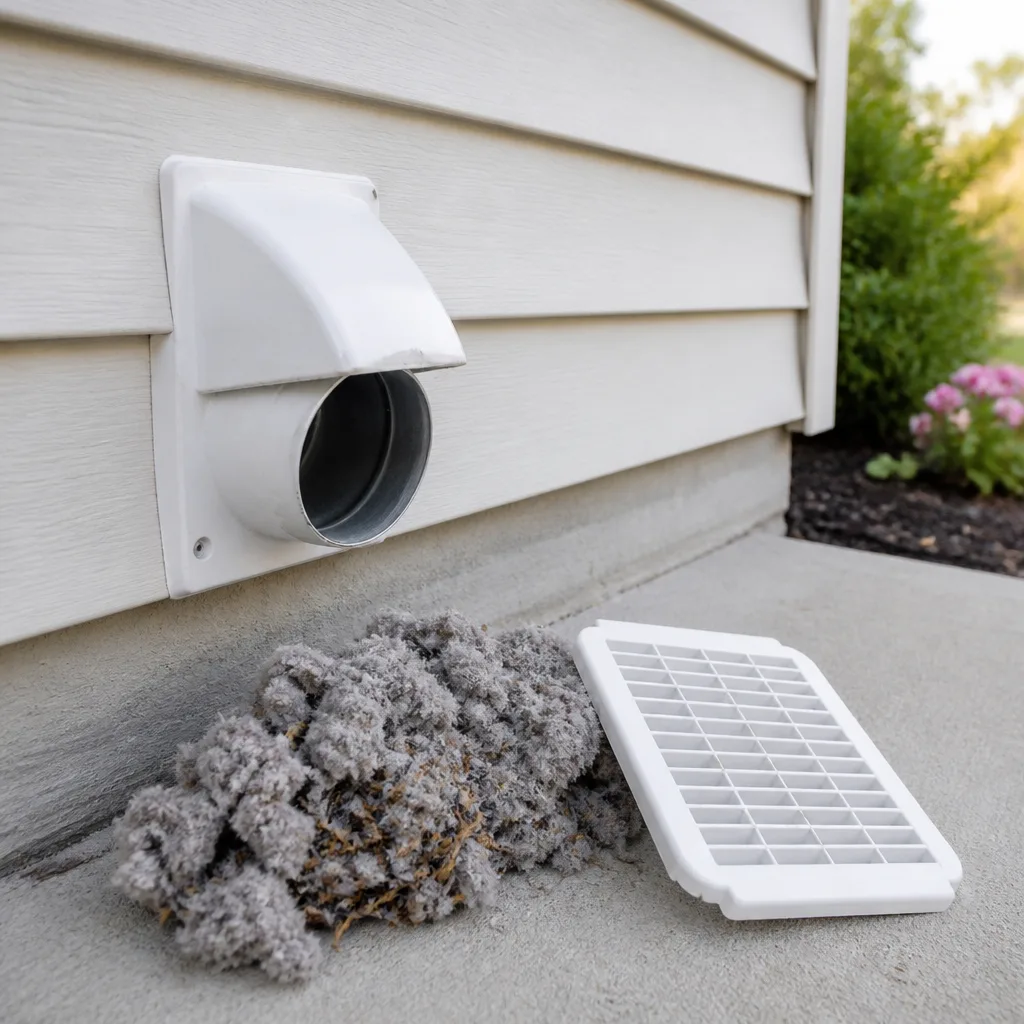 Dryer vent cleaning
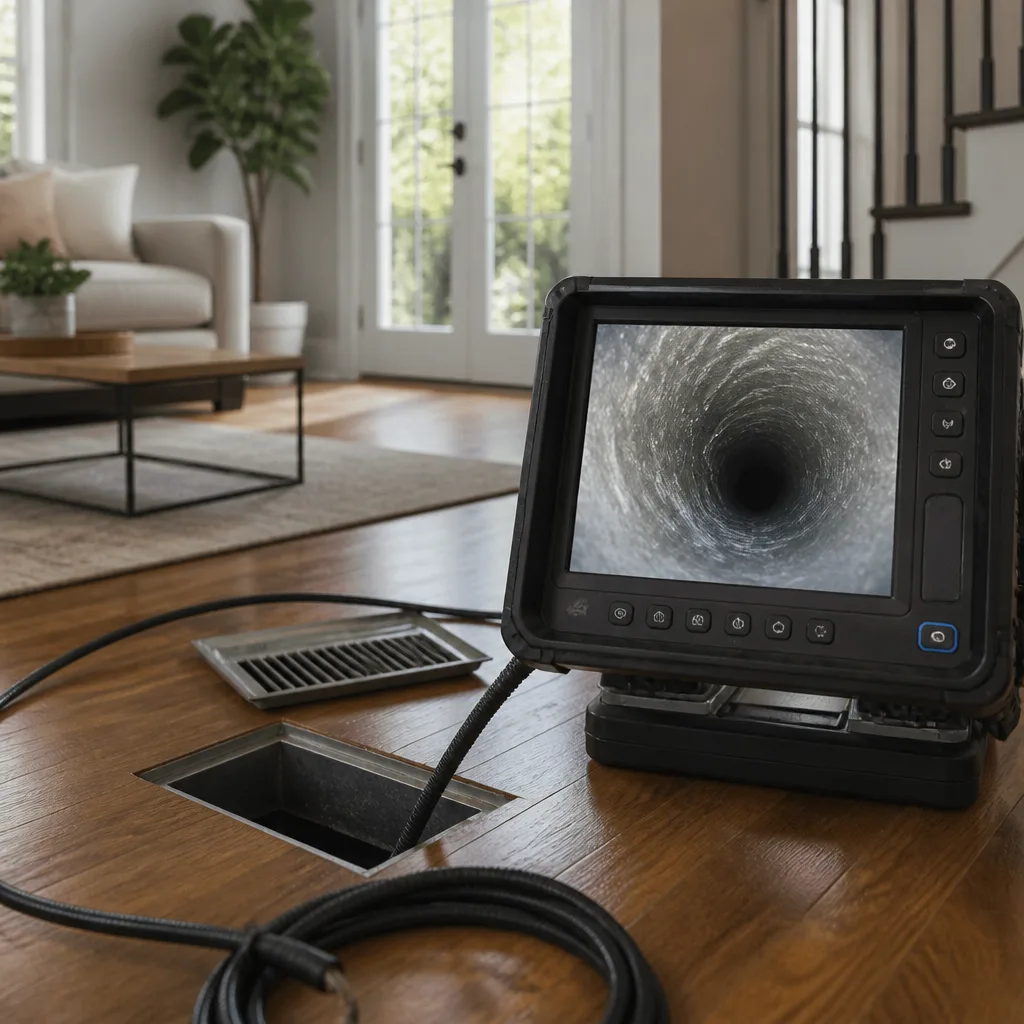 Camera inspection
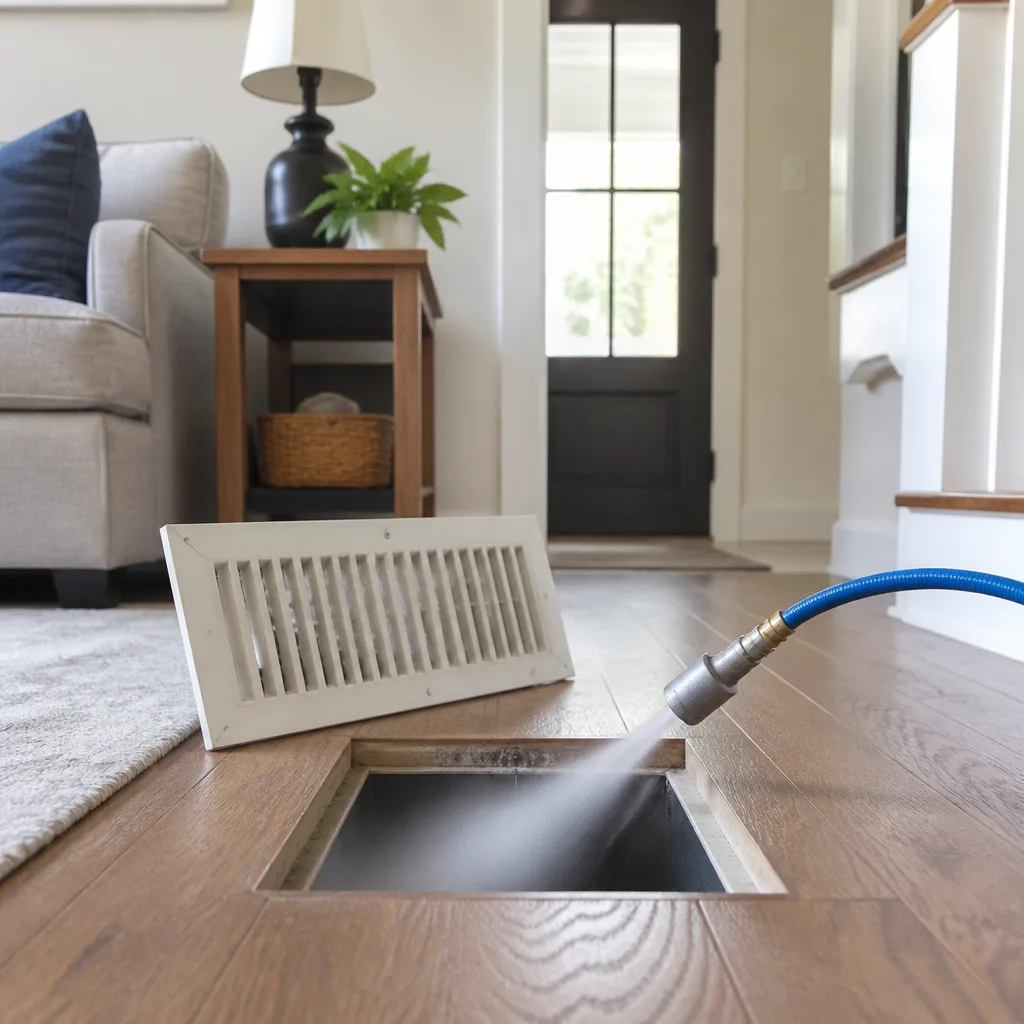 Sanitizing & deodorizing
Whole-system duct and dryer vent check with before-and-after photos - you see exactly what came out of your vents
That "$99 whole-house special" is a bait ad - the real number appears once they are in your hallway, or the "clean" is a shop-vac at the register. We photograph the inside of your ducts before and after instead.
Air Duct Cleaning Maintenance Checklist for Bellevue Homeowners
If you can’t describe the state of your ducts six months after a professional cleaning, you have no way of knowing whether the money you spent did anything at all. Most homeowners treat duct cleaning as a one-time event: book it, watch the truck pull away, and assume the air stays clean forever. That’s the misconception this guide exists to fix. A cleaning is a starting point, not a finish line, and the difference between ducts that stay clean and ducts that quietly reload with dust comes down to what you track between visits. In Bellevue, where wildfire smoke, wet winters, and older crawlspace construction all press on the same duct system, that tracking matters more than in most places. Below is a month-by-month checklist built for this climate, plus the documentation habits that tell you whether your last cleaning actually held.
Quick Answer
A workable duct maintenance routine for a Bellevue home has three layers: seasonal tasks (heating startup, wildfire smoke season, rainy-season moisture checks), a simple documentation habit (weighing filters and logging register conditions), and a clear rule for when to call a professional versus when to handle something yourself. Track those three things and you’ll know within one heating season whether your ducts are staying clean or loading back up. The checklist below walks through each layer in the order a Bellevue year actually unfolds.
Styles & brands we work with
- Whole-home duct cleaning
- Dryer vent cleaning
- Camera inspection
- Sanitizing & deodorizing
Table of Contents
- Why a Duct Cleaning Checklist Beats a One-Time Cleaning
- The Month-by-Month Bellevue Duct Maintenance Calendar
- How to Document Filter Weight and Dust Load as a Performance Baseline
- Crawlspace Duct Runs: Checks for Bellevue’s Older Neighborhoods
- Using Air Register Inspection as a Between-Service Diagnostic
- DIY Maintenance vs. a Service Call: Where the Line Sits
- Wildfire Smoke, Heating Startup, and Rainy-Season Moisture
- What a Professional Cleaning Actually Involves
Why a Duct Cleaning Checklist Beats a One-Time Cleaning
A cleaning removes what’s in the ducts on the day it happens. A checklist tells you what’s happened since. Those are different questions, and only the second one tells you whether your indoor air quality is holding or sliding backward. The problem with one-time thinking is that duct systems don’t fail loudly. Dust reloads slowly, filter loading creeps up, a crawlspace run picks up moisture after a wet stretch, and none of it announces itself. By the time a homeowner notices musty odors or a jump in allergy symptoms, the buildup has usually been going on for a while.
Documentation changes that. When you write down a filter’s weight or a register’s airflow month over month, you build a baseline that turns vague impressions into readable signals. A filter that used to load in three months and now loads in six weeks is telling you something. So is a register that used to push steady air and now feels weak on one side of the house.
Bellevue adds a specific wrinkle here. The area’s seasonal pattern is sharp: a dry, smoky late-summer stretch, a heating season that kicks on abruptly in fall, and a long wet winter that keeps crawlspaces and exterior walls damp for months. Each phase loads the duct system differently. A checklist aligned to that pattern catches problems in the season they start rather than the season they become expensive.
- What a checklist gives you: a dated record of filter changes, register observations, and any work performed.
- What it protects: the investment you already made in a professional cleaning.
- What it reveals: whether dust, moisture, or airflow problems are cyclical or getting worse.
- What it prevents: guessing. You stop paying for cleanings you may not need and stop skipping the ones you do.
If you’re setting this up from scratch, start with a professional baseline. Our air duct cleaning service documents pre-cleaning conditions before any equipment runs, which gives your checklist a starting reference you can measure against. Without that baseline, you’re tracking change against an unknown.
The Month-by-Month Bellevue Duct Maintenance Calendar
This calendar follows how a Bellevue year actually loads a duct system, not the calendar year on a wall. It’s written as a repeating sequence you can shift to match when your household turns the heat on. The key is that each task has a reason tied to local conditions, so you’re not just doing maintenance for its own sake.
- Late summer (wildfire smoke season): Check your filter more often during smoky stretches. Smoke season loads filters fast, and a clogged filter during a smoke event pushes more particulate into the return system. Note the dates you change it so you can see how smoke season compares to the rest of the year.
- Early fall (heating startup): Before you run the furnace for the season, walk the registers and note airflow at each one. The first heat cycle of the year pushes out whatever settled in the ducts over summer. A dusty, smoky smell at startup is normal for a short while; a smell that persists past the first few cycles is a signal worth logging.
- Mid fall: Change the filter after the first few weeks of heating, not before. The initial heating runs dislodge debris, and a filter swapped after that stretch catches more of it.
- Winter (rainy season): Focus on moisture. Check any crawlspace duct runs for condensation, sagging insulation, or visible damp. Bellevue’s wet winters are the main driver of mold risk in duct systems, and most of it starts in unconditioned space.
- Late winter: Do a full register walk again. Compare airflow and odor to your early-fall notes. Inconsistent airflow on one branch usually points to a duct issue rather than a filter problem.
- Spring: Change the filter, inspect the outdoor unit area, and check that return grilles aren’t blocked by furniture or stored items. Spring is also a reasonable time to book a professional cleaning if your log shows heavy buildup from the winter.
- Early summer: Low-load season. Do a light inspection, confirm the system is quiet and balanced, and prep filters for smoke season ahead.
Print it, pin it, and write dates in the margins. The act of recording is what turns this from a list into a diagnostic tool. For households that also run a clothes dryer heavily, fold dryer vent cleaning into the spring check, since lint buildup is a separate fire concern that deserves its own line in your log.
How to Document Filter Weight and Dust Load as a Performance Baseline
You don’t need instruments to measure whether your ducts are staying clean. You need a kitchen scale, a notepad, and a few minutes at filter-change time. The idea is simple: a filter is a dust trap, and the weight of dust it catches over a set period is a rough but honest measure of how much particulate is moving through your system.
Here’s how to run a low-tech baseline.
- Weigh a new filter before installing it. Note the number and the date. Most household scales handle this fine.
- Remove and weigh the filter at each change. The difference between the new weight and the used weight is your dust load for that period.
- Record the period length. A filter that gains the same weight in half the time is loading twice as fast, which usually means more dust entering the system.
- Photograph the filter next to a note with the date. Cheap visual documentation you can compare across seasons.
- Note any changes to the household in the same log: new pets, renovation work, a change in how often the system runs. Dust load doesn’t shift in a vacuum.
Over a couple of heating seasons, this gives you a personal baseline. You’ll know what a normal filter load looks like for your home and your habits, and you’ll see clearly when something changes. That’s more useful than a generic recommendation to change filters on someone else’s schedule.
The same idea works for register dust. Wipe a clean white cloth across a supply register on a set date, photograph the cloth, and do it again a month later. Buildup on the cloth that grows faster than your baseline says the ducts are reloading. Buildup that stays flat says your last cleaning is holding. Air quality you can verify starts with a record like this.
One caution: this method tells you about particulate load, not about contamination inside the ducts themselves. It’s a between-service signal, not a substitute for a professional inspection. Use it to decide when to call, not to replace the call.
Crawlspace Duct Runs: Checks for Bellevue’s Older Neighborhoods
A lot of Bellevue’s older housing stock, particularly in neighborhoods like Crossroads, Lake Hills, and parts of Wilburton, has duct runs that pass through crawlspaces rather than conditioned interior space. This is where duct problems concentrate locally. Crawlspace ducts sit in a damp, cool environment that interacts badly with warm, humid air moving through the system in winter. The moisture doesn’t come from the ducts themselves; it comes from the space around them.
Once a month during the wet season, check these specific items.
- Visible condensation: Look for damp patches, water stains, or beaded moisture on the outside of duct runs.
- Insulation separation: Duct insulation that has pulled away from the pipe or bagged downward leaves the run exposed and condenses more easily. Check the joints and supports.
- Sagging runs: A duct that sags collects dust and holds moisture. Support straps that have loosened are common in older crawlspaces.
- Standing water near ducts: Any pooling under a duct run is a red flag and usually points to a drainage or grading issue rather than the duct itself.
- Musty smell at nearby registers: If a register closest to a crawlspace run smells earthy or musty, log it and check the space above it.
Bellevue’s long wet season means these checks matter most between November and March. If you find moisture you can’t explain, don’t just run the system harder; a duct repair and sealing evaluation is the right next step. Ducts that aren’t sealed properly let conditioned air escape into the crawlspace and let damp air in, which is often the actual source of a mold-risk window. Our Air Duct Cleaning Bellevue Pros page lays out the full scope of what we handle, including sealing work.
Anyone with a crawlspace-ducted home in Bellevue should also confirm that the vapor barrier under the house is intact. A torn or missing barrier raises crawlspace humidity, which shows up in the ducts sooner than it shows up anywhere else.
Using Air Register Inspection as a Between-Service Diagnostic
A register is a window into the duct system behind it. You don’t need to open anything to run a useful inspection. Three signals cover most of what a homeowner can reasonably track: odor, visible debris, and airflow consistency.
Odor
Stand close to a supply register while the system is running and note the smell. Normal is neutral, or faintly warm. A musty, earthy, or chemical smell that repeats across visits is worth logging with a date. Persistent musty odor points toward moisture and possible microbial growth. Chemical or burning odors deserve a call right away.
Visible debris
Shine a flashlight into the register opening. A light dust film is normal. Visible clumps, debris that looks like lint or insulation fibers, or dust that stirs when the system kicks on indicate that the ducts have reloaded since the last cleaning.
Airflow consistency
Hold your hand at each supply register in the house in the same sequence each time. You’re comparing registers to one another, not measuring precise CFM. One register noticeably weaker than the rest usually means a loose duct connection, a closed damper, or buildup in that branch.
Log all three signals on the same page, and compare across visits. A consistent result every time supports the case that your system is clean and balanced. A signal that flips from normal to persistent is a clear trigger for a professional evaluation.
If you’re noticing register-level airflow problems and want a professional eye, we run register-by-register checks as part of our HVAC cleaning scope, and we document conditions before and after the work.
DIY Maintenance vs. a Service Call: Where the Line Sits
Most of what keeps a duct system healthy is homeowner-scale work. The confusion usually comes from not knowing where the line sits between “I can do this” and “this needs the right equipment and a professional.” Here’s a clean dividing line.
Handle yourself
- Changing air filters and logging weight and dates.
- Wiping register covers and photographing dust buildup.
- Keeping return grilles clear of furniture and stored items.
- Checking crawlspace duct insulation for visible separation and sagging.
- Comparing register airflow and odor at each visit.
- Booking the professional cleaning on the schedule your log suggests.
Book a service call
- Persistent musty or chemical odors at any register.
- Visible insulation fibers or clumps of debris at registers.
- Airflow that is visibly weaker at one or more registers after confirming filters are clean.
- Condensation or damp patches on crawlspace duct runs that keep coming back.
- Filter load building faster than your own baseline for two or more cycles.
- After a renovation, water intrusion, or a long vacancy in a Bellevue home.
- When your log shows heavy seasonal reload and the professional cleaning interval has passed.
The test is straightforward: if a task involves opening the duct system, working inside it, or diagnosing why a specific branch behaves differently, it’s a service call. Contact cleaning with rotary brush extraction and negative-pressure containment aren’t homeowner jobs, and attempting them without the right equipment can push debris deeper rather than remove it. The checklist above is the homeowner half; the professional half is a scheduled cleaning with documented results. The two work together, and neither replaces the other.
Wildfire Smoke, Heating Startup, and Rainy-Season Moisture
Bellevue homeowners face three distinct seasonal risks, and each one loads the duct system in its own way. A checklist built around them catches the problem in the right window.
Wildfire smoke season
When smoke settles over the area in late summer, the fine particulate load in outdoor air rises sharply. Homes running with windows closed push more of that load into the filter and, if the filter is already partially loaded, into the return ducts. During heavy smoke stretches, plan to check the filter more often than usual and record the dates. Smoke season is also when high-efficiency filter upgrades earn their keep. We install and integrate Honeywell and Aprilaire filtration components as part of a complete cleaning and air quality visit, which is one way to raise the baseline before smoke season instead of mid-event.
Heating startup
The first heat cycle of fall redistributes months of settled dust. Expect some smell and some dust for the first few cycles. What’s worth logging is the smell and the dust level that persists after that. If it keeps going for weeks, the ducts have more buildup than the last cleaning left behind, and your documentation will tell you.
Rainy-season moisture
Bellevue’s wet winters keep unconditioned spaces damp for months. Ducts that run through a crawlspace face steady condensation risk, and the resulting moisture is the single most common reason a duct system develops an odor problem. Seal and insulation issues compound the risk. Anyone seeing repeated moisture should consider air quality sanitizing as part of their next professional visit, and should look at duct repair and sealing to close the underlying route by which damp air enters the system.
If you’re comparing cleaning providers and want to know what equipment is actually being used, look for negative-pressure containment and rotary brush extraction. Those two techniques are the visible difference between a deep clean and a surface pass. Our Air Duct Cleaning Bellevue Pros page explains how we run them.
What a Professional Cleaning Actually Involves
A professional duct cleaning isn’t one step. It’s a process, and knowing it lets you evaluate what you’re getting. Here’s the sequence that a proper cleaning follows, regardless of which company does it.
- Inspection and baseline documentation. The technician surveys register conditions, airflow, and any visible contamination before any equipment runs. Photos and notes establish the before state.
- Containment setup. Negative-pressure equipment contains the working area so dislodged debris is captured rather than blown into living space. We use Abatement Technologies filtration and containment gear, the same equipment used in commercial remediation projects, scaled to residential jobs.
- Mechanical agitation. Rotobrush rotary brush systems run the length of the duct and physically agitate debris off the duct walls. Air-whip-only methods move loose dust but leave contact-adhered buildup; rotary brushing is the industry benchmark specifically because it makes contact with the duct surface.
- Extraction and negative-pressure capture. Nikro equipment pulls the dislodged material into a collection system while containment holds the working area under negative pressure.
- Component cleaning. Registers, grilles, the blower assembly, and accessible plenum surfaces are cleaned as part of the same visit.
- Verification and documentation. Post-cleaning photos and notes close the loop. This is the record you compare against on your next checklist cycle.
- Optional upgrades. Filtration and air quality components from Honeywell and Aprilaire can be integrated in the same visit if your documentation shows the existing setup isn’t catching enough.
Our technicians have up to 9 years of experience with these systems, and we run professional-grade equipment on residential jobs. Guardsman-line finishing and protection products are also part of our toolset where they apply.
Three things a proper cleaning should never include: a surprise price after work starts, per-vent pricing, or work performed without before-and-after photos. We quote one flat price per system, agreed before work begins. That’s the standard to hold any provider to.
Common Mistakes to Avoid
- Skipping documentation entirely. Booking a cleaning and then never recording what changed means you have no way to judge whether the next one is needed on schedule or early. In Bellevue’s smoke-and-moisture cycle, that gap is exactly where duct problems hide.
- Changing filters only on a generic schedule. Bellevue’s air is not a uniform year-round load; a filter that fits a mild climate pushes too little in smoke season and too much in low-load months. Track your own filter load against your own baseline.
- Ignoring crawlspace duct runs. Out of sight is where moisture problems start. A monthly look during wet months costs a few minutes and catches the issues that would otherwise become a repair job.
- Choosing the cheapest quote. A low per-vent figure usually means less equipment and less time. Ask which extraction and containment methods are used before comparing prices.
- Assuming a professional cleaning solves all dust. If the filtration setup is undersized for the household, the ducts will reload fast. Ask about filtration upgrades at the same visit rather than booking a separate one later.
- Overlooking the dryer vent. Dryer vents are a separate fire concern and rarely included unless you ask. Fold dryer vent cleaning into your spring check and book it as its own line item if it hasn’t been done.
- Running the heat through an obviously bad smelling system. If a register smells musty or chemical, log it and call rather than waiting for the next scheduled cleaning. Running it more moves the air, not the contamination.
See the difference
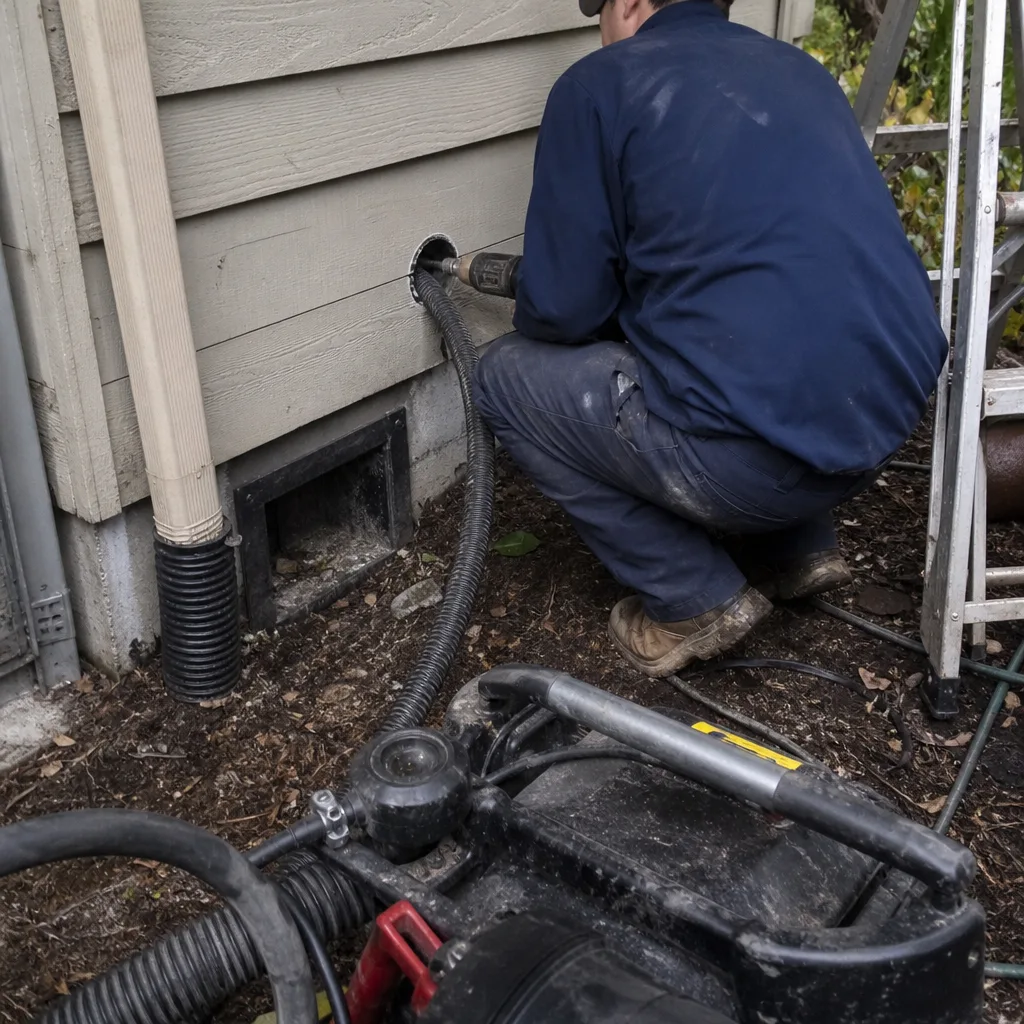 Before
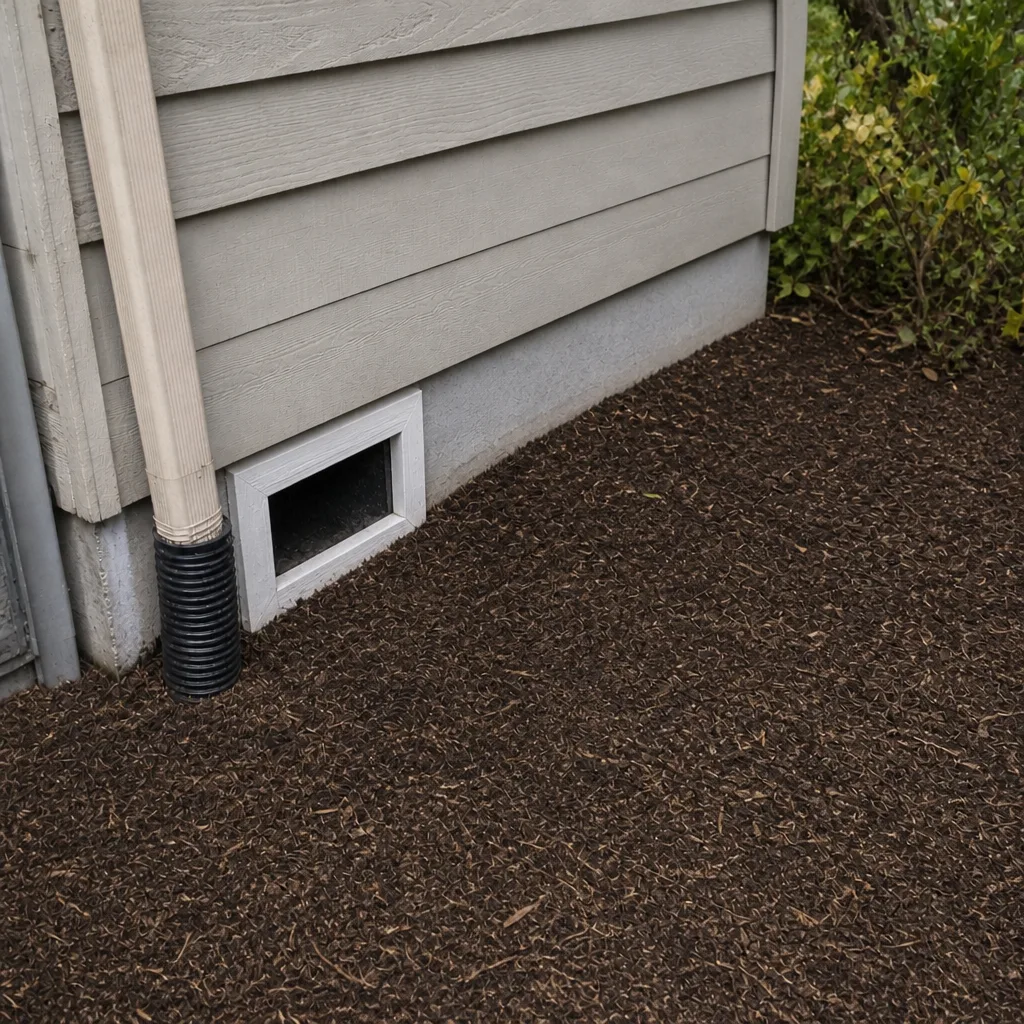 After
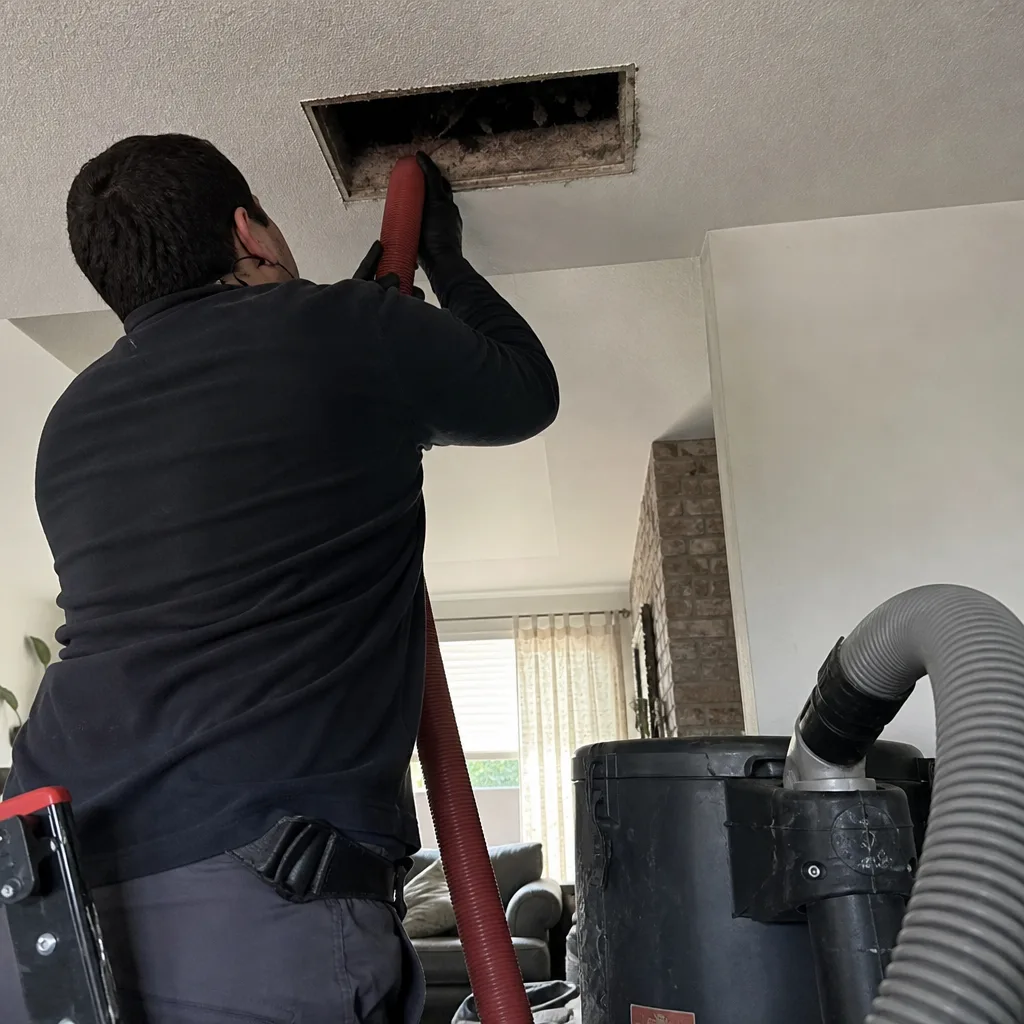 Before
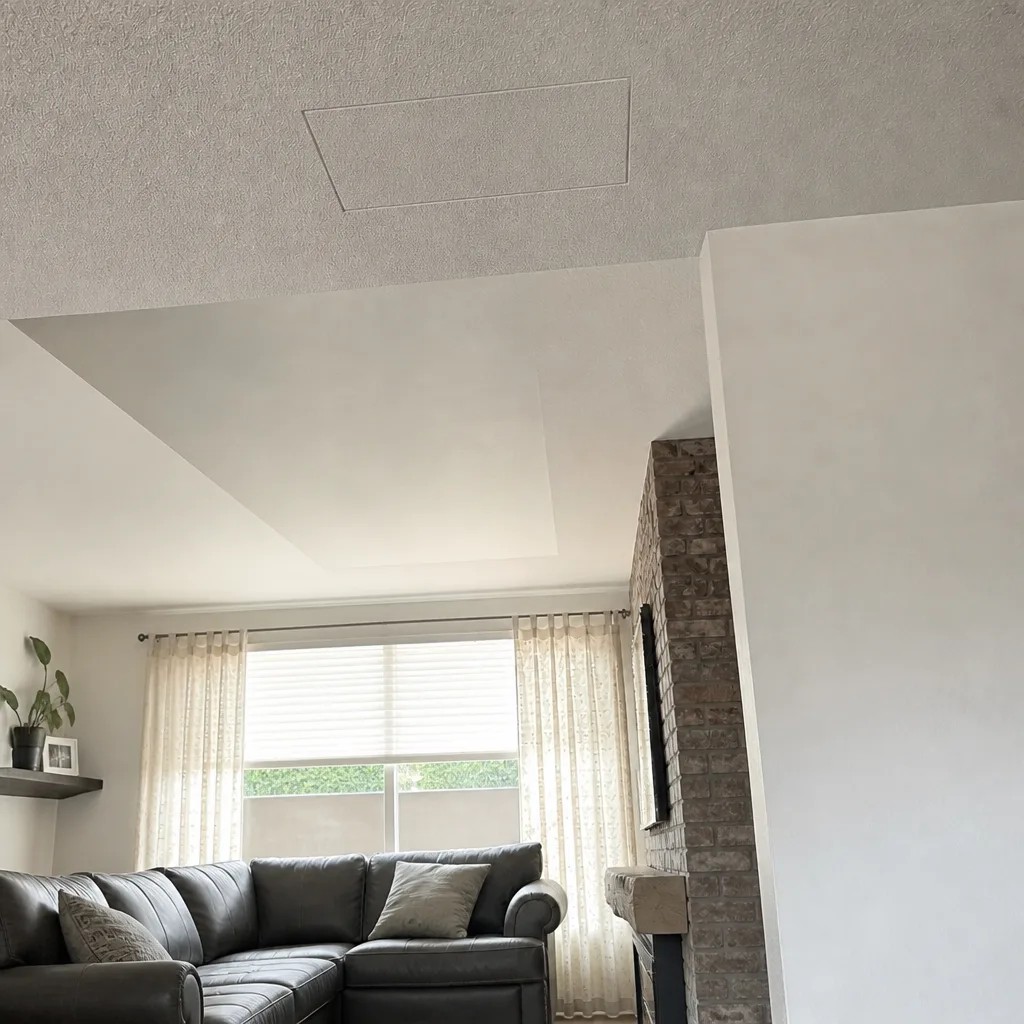 After
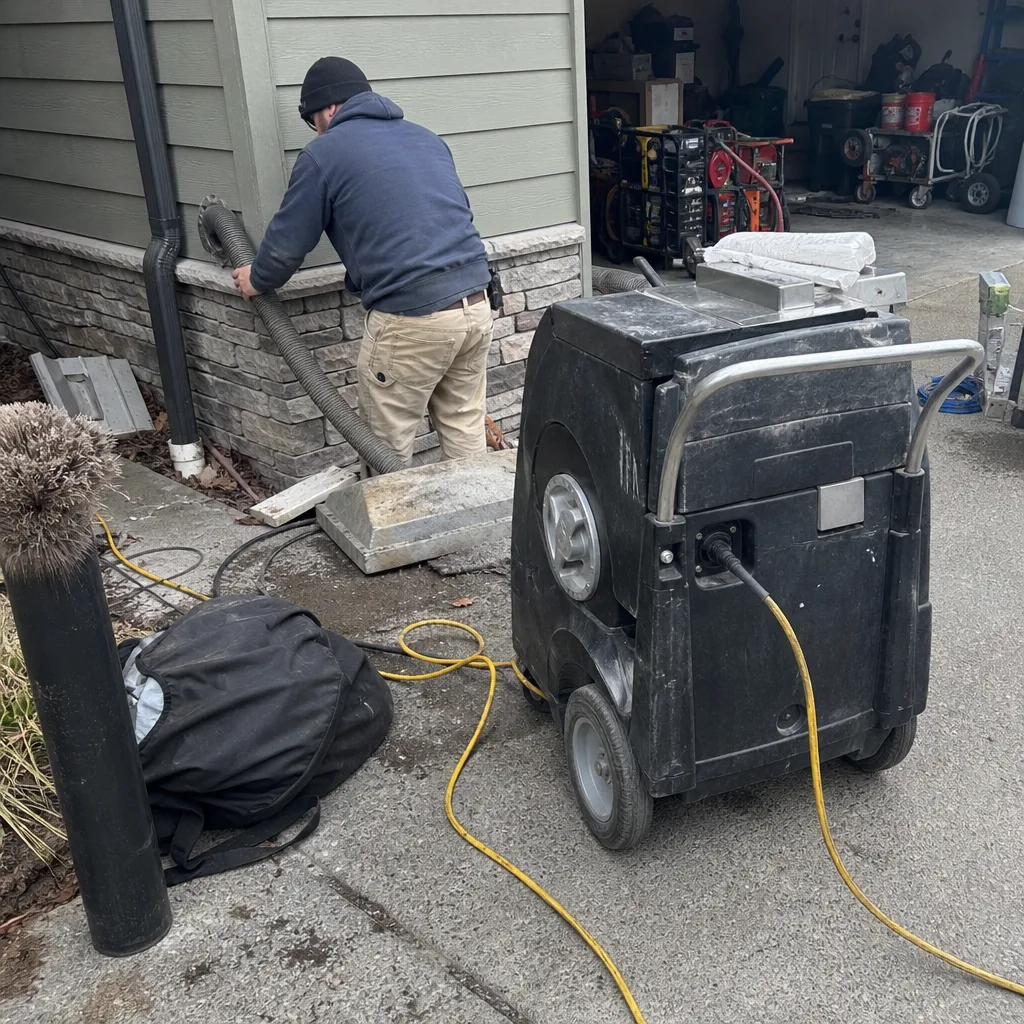 Before
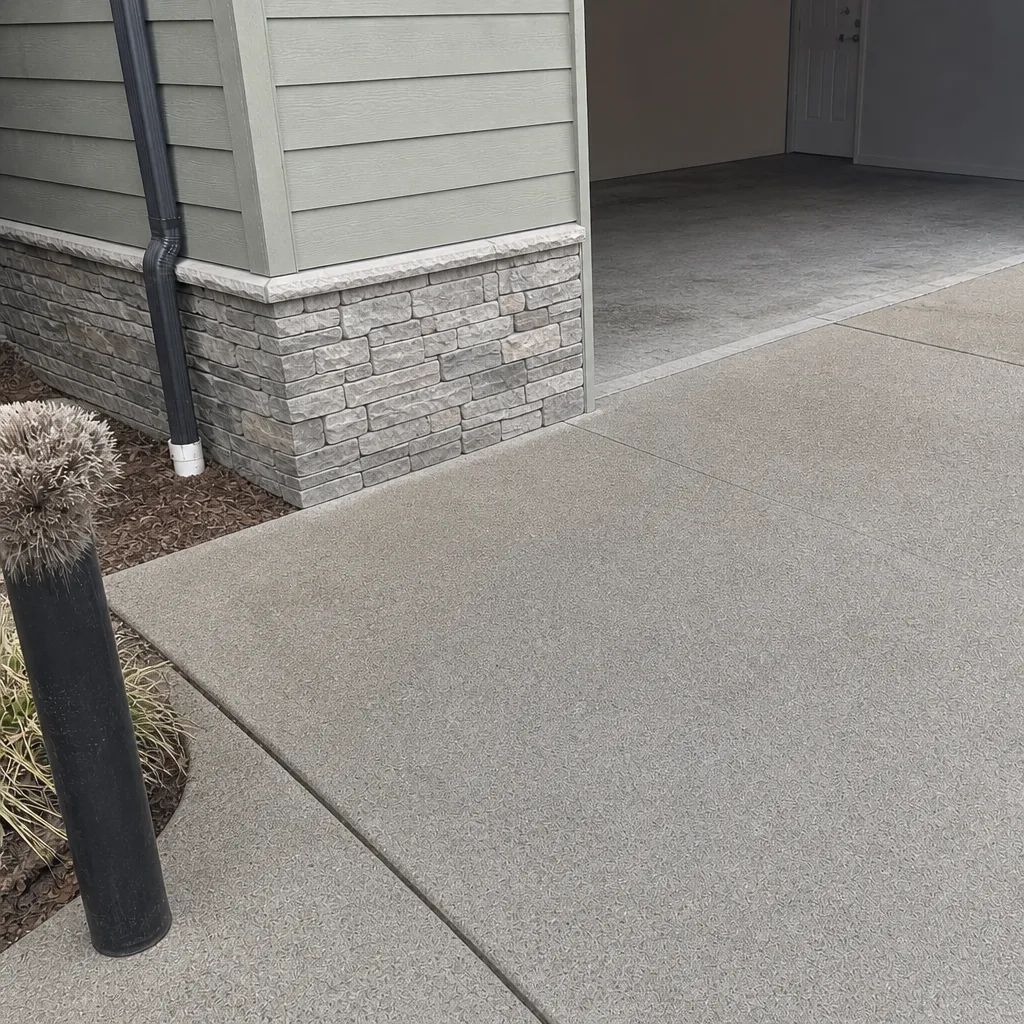 After
When to Call a Professional
Call a professional when your checklist log shows persistent signals rather than one-time blips: two or more cycles of heavier filter load, a musty odor that keeps returning to the same registers, visible debris that stirs when the system starts, or moisture on crawlspace duct runs that keeps coming back after rain. Call right away if you smell chemical or burning odors, if you see insulation fibers at a register, or if you’ve had water intrusion near ductwork. A professional cleaning should also be on the schedule roughly once every few years for a typical home, and sooner for homes with pets, recent renovations, or allergy concerns in the household.
Air Duct Cleaning Bellevue Pros offers free estimates in Bellevue. Call (866) 937-8330. We answer 24/7. Fast dispatch from 7am to 7pm, Sunday through Friday.
Frequently Asked Questions
Every few years is a reasonable baseline for most Bellevue homes, and sooner (annually) for households with pets, allergy concerns, recent renovations, or a documented heavy dust load from your own checklist. The right interval is the one your own records support, which is why documenting filter weight matters more than following a generic recommendation. If your log shows faster reload than your baseline, move the cleaning earlier. Call (866) 937-8330 for a free estimate that reflects your specific situation.
Yes, and specifically because of the wet season. Bellevue’s long rainy stretch keeps crawlspaces damp for months, and duct runs passing through unconditioned space face steady condensation risk. Monthly checks for sagging, insulation separation, and damp spots catch problems before they turn into a moisture issue. If you see something you can’t explain, have it evaluated rather than waiting. Call (866) 937-8330 for a free estimate.
The honest answer is that a proper whole-system cleaning is priced per system, not per vent, and it depends on the number of runs, accessibility, and condition. We quote one flat price per system, agreed before work starts, with before-and-after photos at the end. Be careful with any price that looks dramatically lower than others: it usually reflects less equipment and less time. Call (866) 937-8330 for an exact quote.
Cheap quotes typically skip negative-pressure containment, use air-whip-only methods instead of rotary brush extraction, or leave the blower assembly and plenums out of the scope. The result is a surface pass, not a cleaning, and your ducts reload much faster. Ask which specific equipment and techniques a provider uses before comparing prices. Call (866) 937-8330 to see what full-scope work actually includes.
Two things: before-and-after photos of your own ducts, and a written record of what was cleaned. Both should be part of any professional service. It’s also why your own checklist matters: a documented baseline from your own register inspection gives you an independent check on the before-and-after claims. Call (866) 937-8330 to book a free estimate with documented results.
If a cleaning is due, before the first heat cycle of the season is usually the better timing because startup pushes settled dust around the whole system. If your checklist says the ducts are still clean, run the startup and change the filter a few weeks in to catch the dislodged debris. Let your own log decide rather than a fixed date. Call (866) 937-8330 for a free estimate.
The Bottom Line
A duct cleaning is only as valuable as the record you keep afterward. Document filter weight, log register conditions, check crawlspace runs monthly in wet months, and use your own baseline to decide when to book the next cleaning. In Bellevue’s cycle of smoke season, abrupt heating startup, and long wet winters, the checklist is what turns a single cleaning into continuous, verifiable improvement in indoor air quality. The professional visit is the reset. The checklist is how you know the reset held. Both are part of a complete indoor air quality routine, and either one on its own is incomplete.
When it’s time for a cleaning, call (866) 937-8330 for a free estimate. We answer 24/7. Fast dispatch from 7am to 7pm, Sunday through Friday.
Written by the team at Air Duct Cleaning Bellevue Pros.