
Last updated November 23, 2026
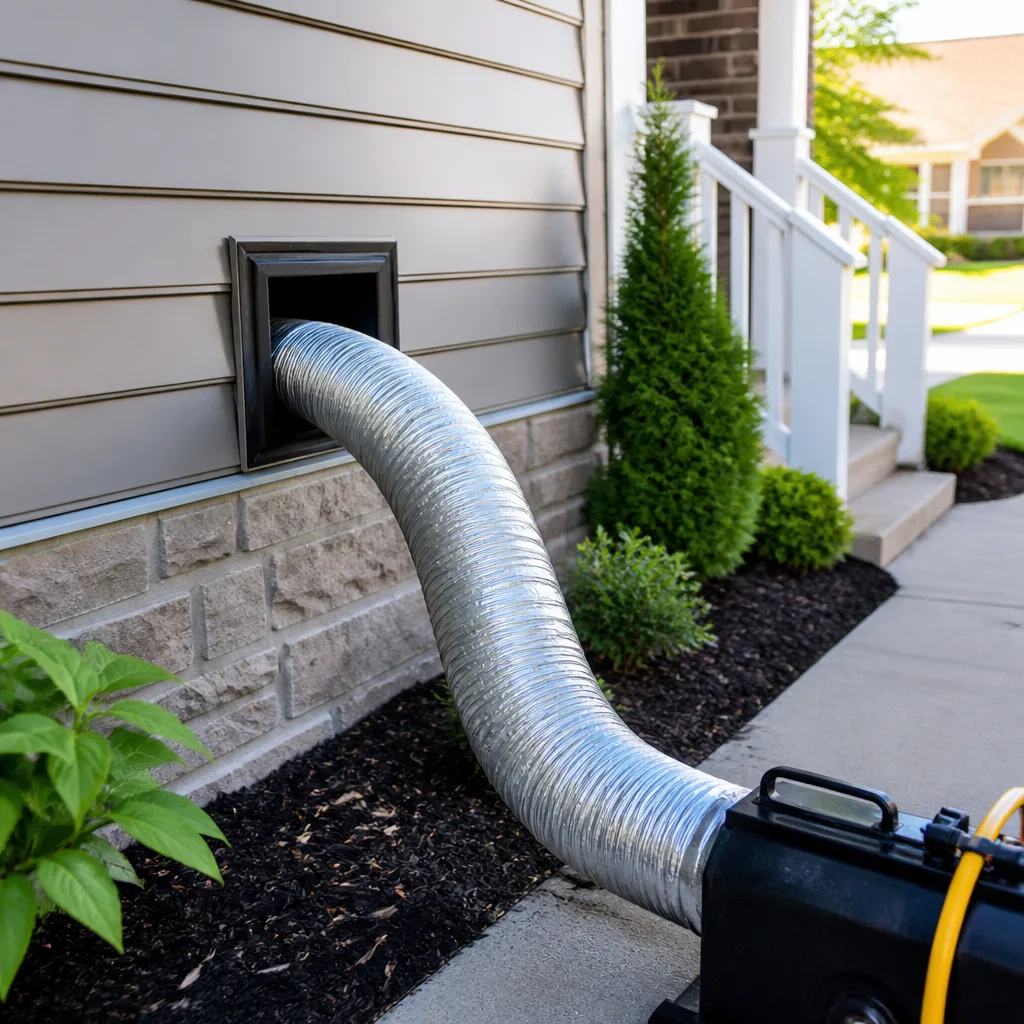 Whole-home duct cleaning
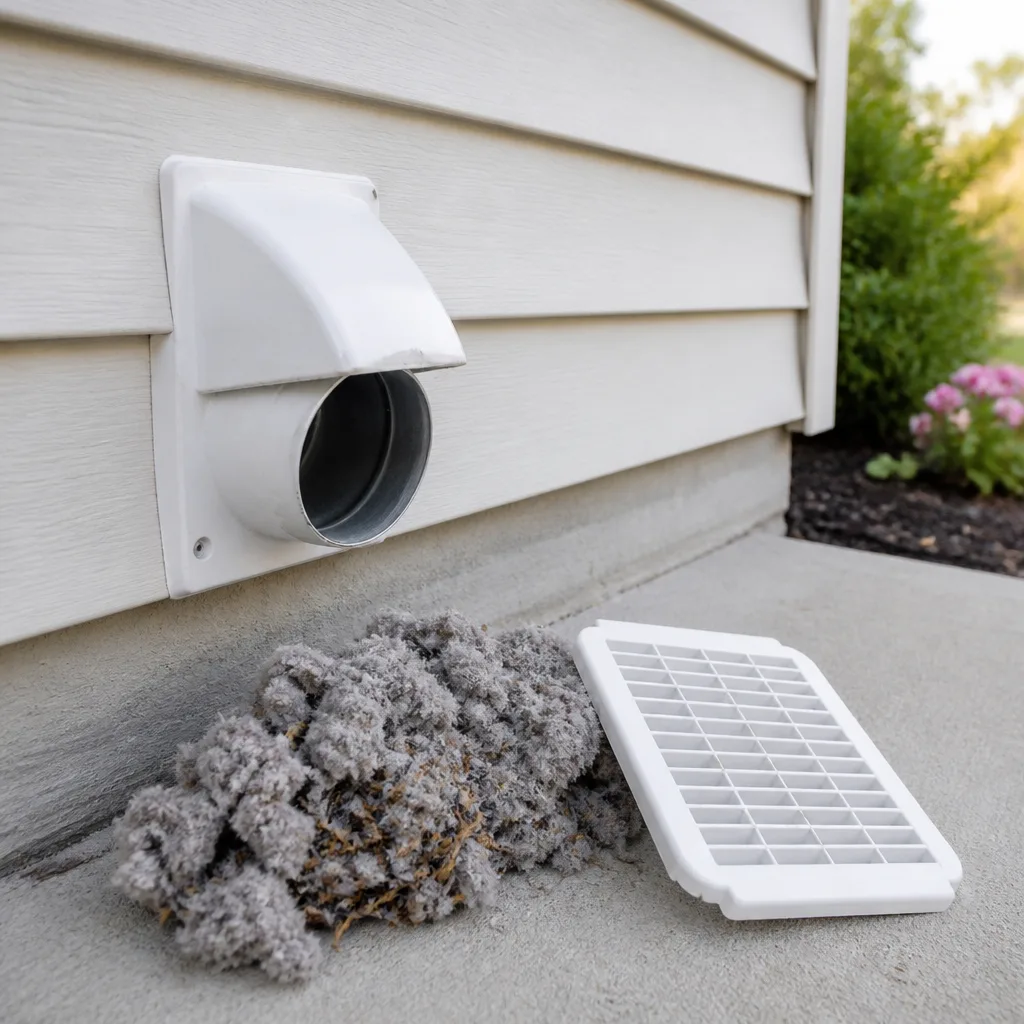 Dryer vent cleaning
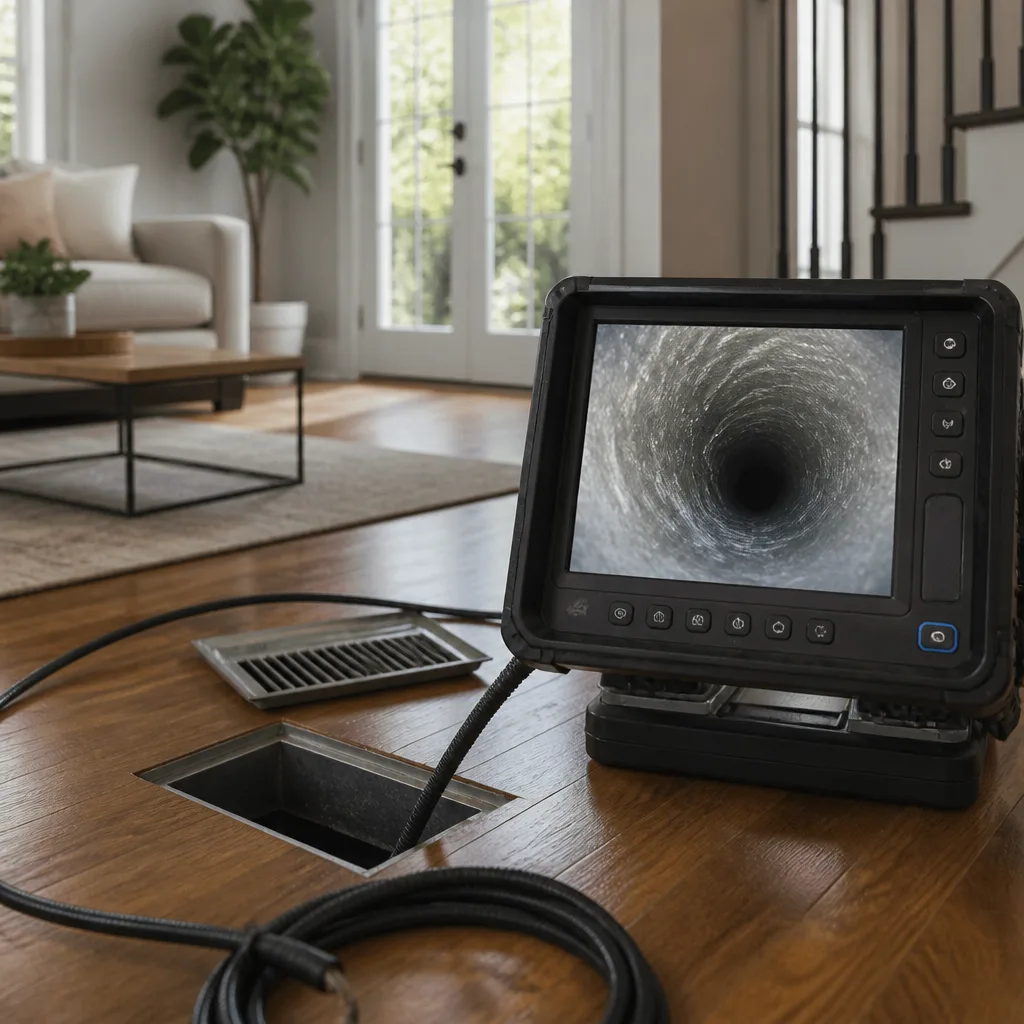 Camera inspection
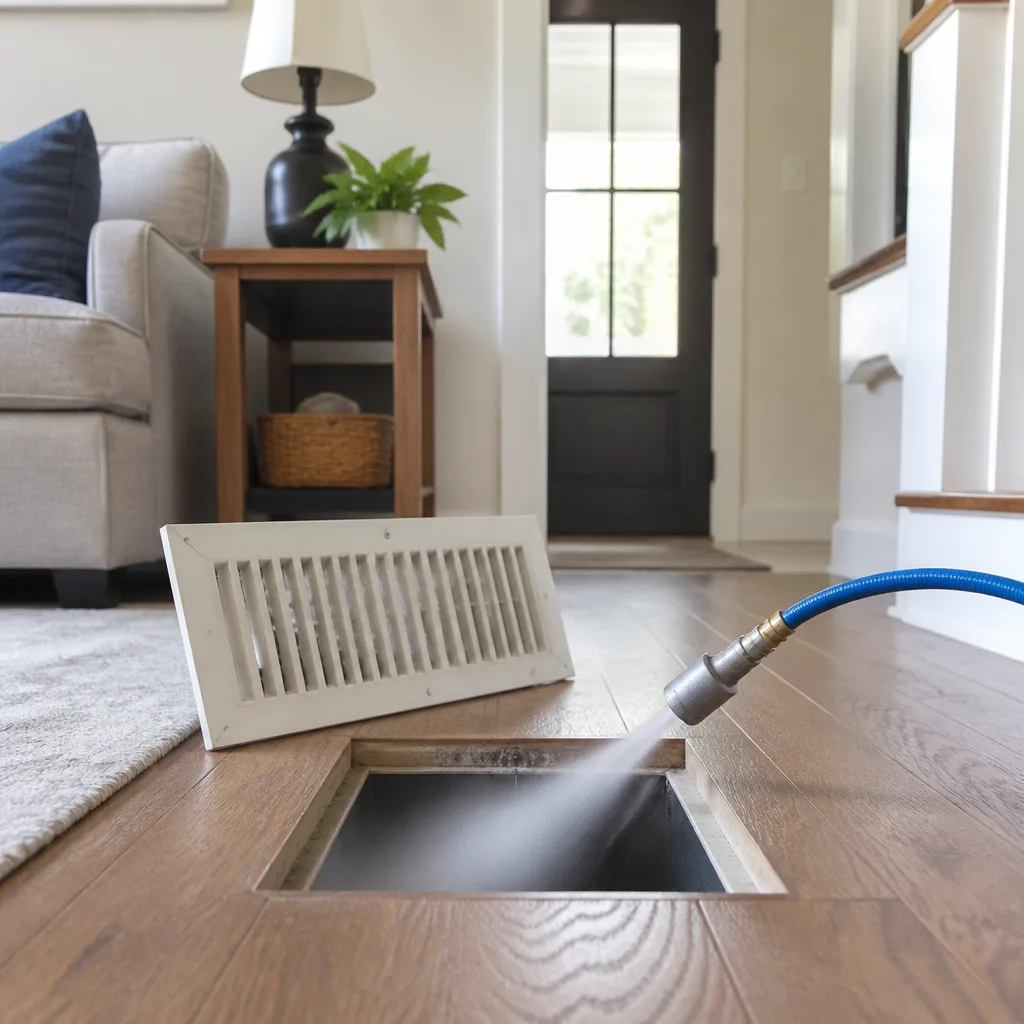 Sanitizing & deodorizing
Whole-system duct and dryer vent check with before-and-after photos - you see exactly what came out of your vents
That "$99 whole-house special" is a bait ad - the real number appears once they are in your hallway, or the "clean" is a shop-vac at the register. We photograph the inside of your ducts before and after instead.
Air Duct Cleaning Permits, Codes & Inspections in Bellevue, WA: What You Need to Know
Here’s the part most Bellevue homeowners get backwards: the duct cleaning itself is rarely the problem. Cleaning a duct system is maintenance, and maintenance generally doesn’t require a permit. The permit question shows up the moment the work uncovers something bigger – a torn liner, mold growth on interior insulation, a register that needs to move. That follow-on work almost always needs a permit, and skipping it can leave a material defect undisclosed the next time you sell. In this guide, we walk through Bellevue’s permit thresholds, how Washington’s indoor air quality rules apply, which license a contractor needs, and the paperwork that protects you.
Quick Answer
Air duct cleaning alone usually does not require a permit in Bellevue, WA. Duct modification, liner replacement, mold remediation, and register relocation typically do require permits, and the contractor doing that work generally needs to hold a specialty or general contractor license depending on scope. Ask your contractor for permit numbers and inspection records before final payment.
Styles & brands we work with
- Whole-home duct cleaning
- Dryer vent cleaning
- Camera inspection
- Sanitizing & deodorizing
Table of Contents
- What Actually Requires a Permit in Bellevue
- How Washington’s Indoor Air Quality Rules Interact with Bellevue Code
- Specialty vs. General Contractor License: Who Can Do What
- The Documentation Trail That Protects Homeowners
- What a Bellevue Duct Inspection Actually Involves
- How Unpermitted Duct Work Affects Insurance and Escrow
- When to Bring in a Duct Specialist
What Actually Requires a Permit in Bellevue
The permit line in Bellevue sits between maintenance and modification. Cleaning a duct system is maintenance. Taking a duct apart, adding a run, sealing a leak with mastic and mechanical fasteners, replacing interior liner, or addressing mold growth inside the system crosses into modification and generally triggers the permit process. Bellevue’s municipal code follows the same mechanical permit framework used across Washington, which treats alterations to the mechanical system – not routine cleaning – as the trigger.
Here’s how the thresholds typically break down for Bellevue work:
- Standard cleaning (no permit): Rotary brush extraction, negative-pressure containment, register wiping, and sanitizing of an intact system. No alteration to the ducts or mechanical components.
- Liner replacement (permit usually required): When interior duct liner is damaged, delaminated, or harboring biological growth, replacing it is a mechanical alteration. This is where a homeowner most often gets caught off guard because it looks like part of the cleaning.
- Mold remediation inside the duct system (permit usually required): Remediation that involves material removal, structural repair, or application of antimicrobial coatings beyond routine sanitizing typically needs a permit and often an inspection.
- Register and duct relocation (permit usually required): Moving a supply or return register, adding a branch run, or rerouting ductwork above a finished ceiling is a modification.
- Duct sealing for efficiency (permit varies): Air sealing at accessible joints is often treated as maintenance. Sealing inside wall cavities or behind finished surfaces is not, and should be verified with Bellevue’s building department.
Bellevue’s building department is the authority on any specific address. When in doubt, ask the contractor to confirm in writing whether a permit applies. A contractor who hesitates or says “we don’t bother with permits for that” is telling you something important. Our technicians have up to 9 years of experience, and we’ve seen what happens when a homeowner inherits a home with an unpermitted alteration.
How Washington’s Indoor Air Quality Rules Interact with Bellevue Code
Washington State has a separate indoor air quality program, and it applies differently depending on whether the building is single-family or multi-family. For a single-family home in Bellevue, the state’s indoor air quality rules are largely enforced through the mechanical permitting process – meaning the local building department handles compliance as part of the permit and inspection cycle. For multi-family structures, including Bellevue’s large rental and condo inventory in areas like Crossroads and the Spring District, the interaction is different. Property managers in multi-family buildings are subject to workplace indoor air quality expectations that a tenants’ rights framework can pull a landlord into, even when the building is residential.
The practical implication for a Bellevue homeowner is this: your duct cleaning does not usually fall under the indoor air quality program as a regulated activity. The remediation work that might follow it does, because remediation touches the mechanical system, and mechanical systems are permitted at the local level.
For a Bellevue property manager, the checklist is heavier. Multi-family buildings with shared mechanical systems in Bellevue often require:
- Written notices to tenants before any work that disrupts air delivery to occupied units
- Containment documentation showing how supply air was isolated during cleanup
- Records of the cleaning and any remediation work that follow inspection requirements
If you manage property in Bellevue, keep the paper trail on every job. The paper trail becomes the defense when a tenant complains about air quality or when the building is on the market.
Specialty vs. General Contractor License: Who Can Do What
Washington requires contractors to hold a license, and the license class matters for follow-on work. A cleaning-only contractor who holds a specialty license can typically clean and sanitize. The moment the job requires alteration of the duct system – replacing a section of ductwork, installing a new register boot, replacing interior liner – the licensing picture shifts. That alteration is closer to mechanical contractor territory, and depending on scope, the contractor may be required to hold a general or mechanical endorsement rather than a specialty cleaning license.
Here’s what that means when you’re hiring in Bellevue:
- Verify the license class on the state’s contractor lookup. The license type appears alongside the contractor’s registration. Know what you’re hiring before work starts.
- Ask which licensed contractor will pull the permit if one is needed. If the answer is “nobody, it doesn’t need one,” ask them to put that in writing.
- Check whether the contractor who cleans is the same one who does the alteration. Many cleaning-only companies subcontract the modification, and that subcontractor is the one whose license needs verifying.
- Ask for the bond and insurance certificate before any alteration work begins. A cleaning-only company may not carry the coverage a mechanical contractor carries.
Bellevue’s contractor market is large enough that you can find a licensed and insured specialist in most service categories, including full-scope duct work. Our own work is done by local professionals who are licensed and insured as their state requires. When you request documentation, expect it to be provided without argument.
The Documentation Trail That Protects Homeowners
The paperwork is the part nobody thinks about until they need it. For any work that touches your duct system in Bellevue, the documentation trail is what protects you at resale, at an insurance claim, and at a dispute. Ask for the following from any contractor who does code-adjacent work, and keep it in the file you’ll hand to your real estate agent.
- Contractor license number and class on the written estimate, not just the invoice
- Certificate of insurance showing general liability coverage in force on the date of work
- Permit number for any alteration, with the inspection card or final inspection record once the job closes
- Pre- and post-cleaning photos of your own ducts, not a stock image of someone else’s system
- Written scope of work describing exactly what was cleaned, what was altered, and what was left alone
- Sanitizing product documentation if biocides were applied, including the product name and EPA registration
For the equipment side, the brands tell you something about process discipline. When you see Rotobrush rotary brush extraction and Nikro negative-pressure containment on the job, you’re seeing the same platforms commercial contractors use. Abatement Technologies containment equipment shows up in remediation projects where airborne contaminants need to be captured rather than redistributed. None of those tools replace the paperwork, but they’re a signal that the contractor treats this as a trade rather than a side service.
The larger point is this: Bellevue home inspectors and real estate attorneys treat missing documentation as a red flag, whether or not the work was done correctly. It’s the silent defect, sitting there with no inspection card, that causes the most trouble at resale.
What a Bellevue Duct Inspection Actually Involves
A duct inspection in Bellevue runs on a defined sequence. If you’re hiring a contractor for follow-on work that needs a permit, the inspection that ends the job differs from a pre-purchase or pre-cleaning inspection. Here’s what to expect on both.
Pre-work inspection
- Walk the system with a camera. A specialist runs a camera through supply and return trunks, at wyes and at transitions where debris collects and liner deteriorates first.
- Check for liner damage. Interior liner becomes brittle with age and can delaminate, especially in systems where the basement or crawlspace runs humid. Bellevue’s wet winters push moisture into crawlspaces, which is where liner damage often starts.
- Test for biological growth. The camera shows what the eye can’t see from a register. Growth on interior surfaces is what triggers the remediation path.
- Pressure-check the system. If the ducts are leaking at a rate that suggests sealing is warranted, that’s a modification conversation, not a cleaning one.
Post-work inspection (when a permit applies)
- The contractor calls for inspection. Bellevue’s building department sends an inspector to confirm the alteration matches the permit and code.
- The inspector reviews the mechanical work. Duct size, material, sealing, and connection at the register boot.
- The inspection card is signed off. That signed card is what goes in your file and what protects you at resale.
Timing varies by permit volume. Bellevue’s building department handles a steady permit load, so schedule inspections when the contractor signals the work is ready, not before. The permit number and inspection record are the two documents you want in hand before final payment.
How Unpermitted Duct Work Affects Insurance and Escrow
Unpermitted duct work creates a chain of problems that most homeowners never see until it’s too late. In King County, the scenarios follow recognizable patterns.
Insurance claims
Homeowner policies generally cover sudden and accidental damage. What they exclude is gradual damage or damage caused by work that wasn’t permitted or inspected. Suppose a Bellevue homeowner has liner replacement done without a permit, and a year later the system fails and water enters a finished ceiling. The insurer’s adjuster can deny the claim on the basis that the alteration was never inspected. The homeowner pays out of pocket for damage the policy was supposed to cover.
Escrow and resale
King County title companies and Bellevue real estate attorneys routinely request permits and inspection records during a transaction. If the disclosure form shows duct work was done but there’s no permit on file, the buyer’s inspection will flag it. The seller either pulls a retroactive permit (a slow, expensive path), credits the buyer at closing, or loses the deal. The cleanest path is to keep the paperwork from the start.
Code enforcement
Bellevue Code Compliance can cite unpermitted work when it surfaces, usually after a complaint or a sale. The remediation process means re-opening what was already done and getting it inspected after the fact.
The pattern is consistent. The homeowner who has their permit and inspection card walks through escrow cleanly. The homeowner who doesn’t is the one making a quick call to an attorney at 9pm the night before closing.
When to Bring in a Duct Specialist
There’s a specific moment when a Bellevue homeowner or property manager should call a duct specialist rather than a general HVAC contractor. You want a specialist when the question is about the duct system itself – the liner, the contamination level, the leak rate – not the furnace or the heat pump. General HVAC contractors clean ducts as an add-on, and the depth of the work reflects that. A full-scope duct specialist brings contractor-grade equipment to the job and can address the duct repair and sealing side of the work rather than only the cleaning side.
Call a specialist when:
- You’re seeing musty odors coming from registers that don’t clear after cleaning
- Visible dust accumulates on surfaces within days of cleaning
- You’re buying or selling a Bellevue home and need documentation of duct condition
- You’ve been told liner replacement is needed and want a second opinion on scope
- You’re managing a multi-family property and need a documented cleaning schedule
If you’re not sure whether your situation calls for inspection, cleaning, or remediation, the free estimate call sorts that out. Contact us for a free estimate. We connect you with local professionals who are licensed and insured as their state requires. Call (866) 937-8330. We answer 24/7. Fast dispatch from 7am to 7pm, Sunday through Friday.
Common Mistakes to Avoid
- Paying for remediation before confirming the permit is pulled. Bellevue homeowners who pay for liner replacement or mold remediation without a permit number end up with a silent defect that surfaces at resale. Get the permit number on the contract before work starts.
- Assuming “no permit needed” applies to the whole job. Cleaning doesn’t need a permit. The modification that follows often does. Ask the contractor to separate the two scopes in writing.
- Hiring a cleaning-only company for alteration work. A contractor without a permit is the wrong contractor to perform an alteration, even if the cleaning portion was well done. The license class needs to match the scope.
- Skipping pre-cleaning photos. In Bellevue’s rental-heavy market, property managers who don’t document pre-work condition have no defense if a tenant files an air quality complaint later.
- Using a coupon-based cleaning service for a job that needs inspection. A discounted cleaning visit doesn’t usually include the camera walk-through, the liner check, or any of the documentation that a permit-track job requires.
- Ignoring liner damage found during cleaning. Replacing a compromised liner is the permit-triggering work that clears the contamination problem. Cleaning over it doesn’t.
- Assuming a signed invoice replaces an inspection card. They document different things. The inspection card proves the work was reviewed by the city. The invoice only proves you paid.
See the difference
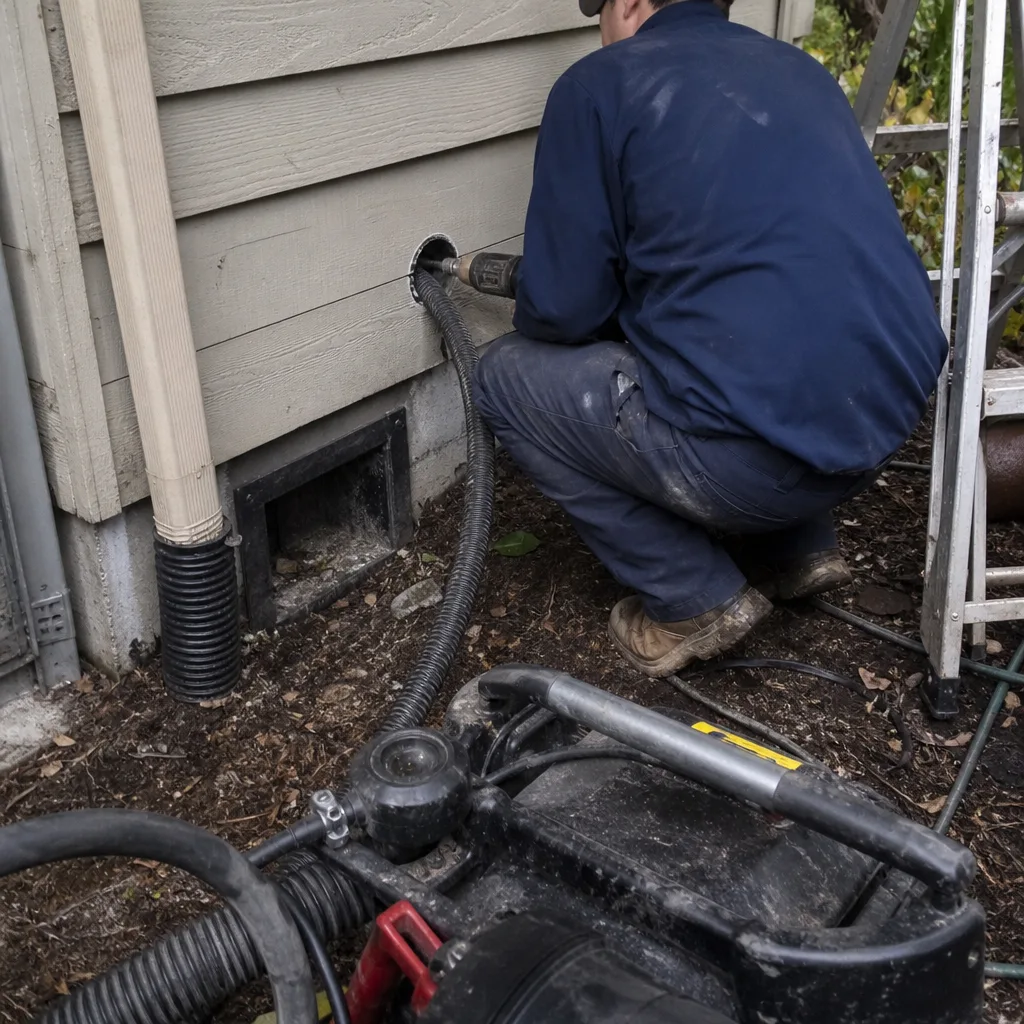 Before
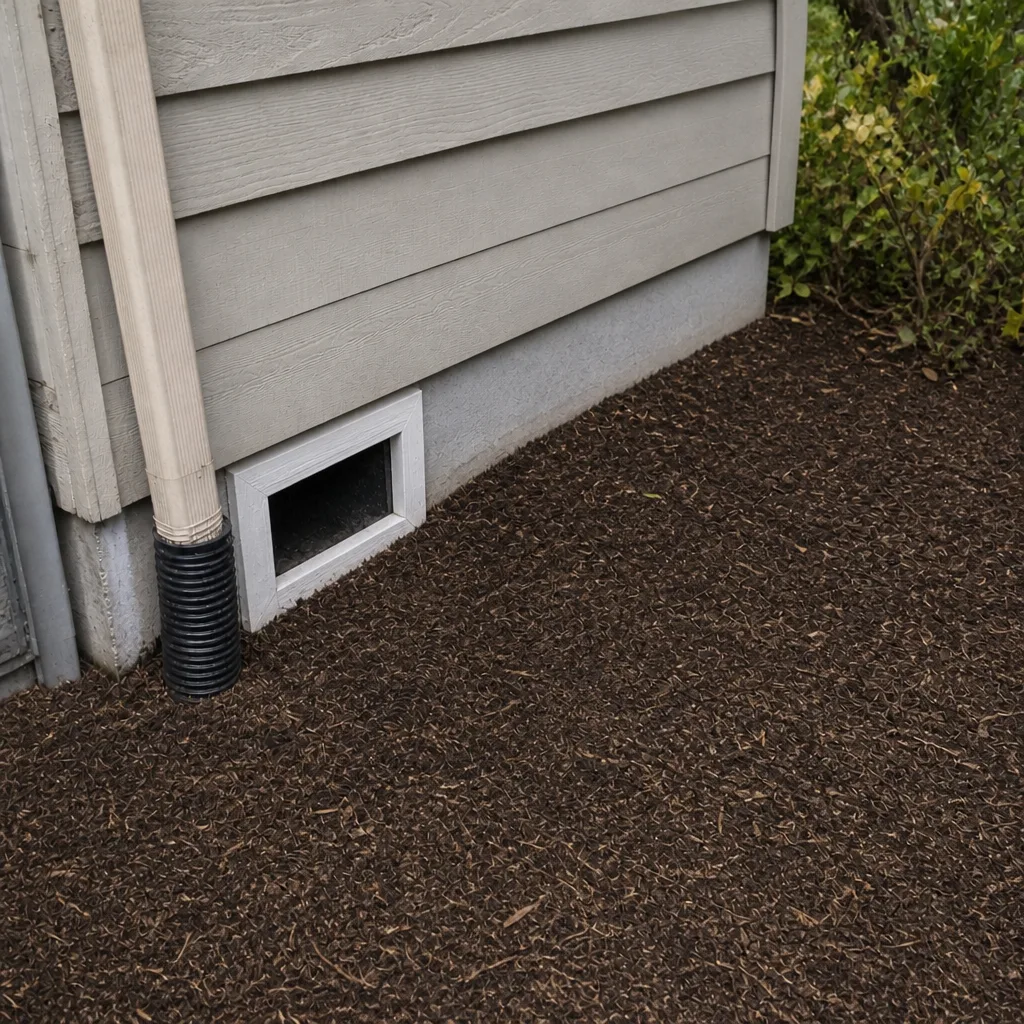 After
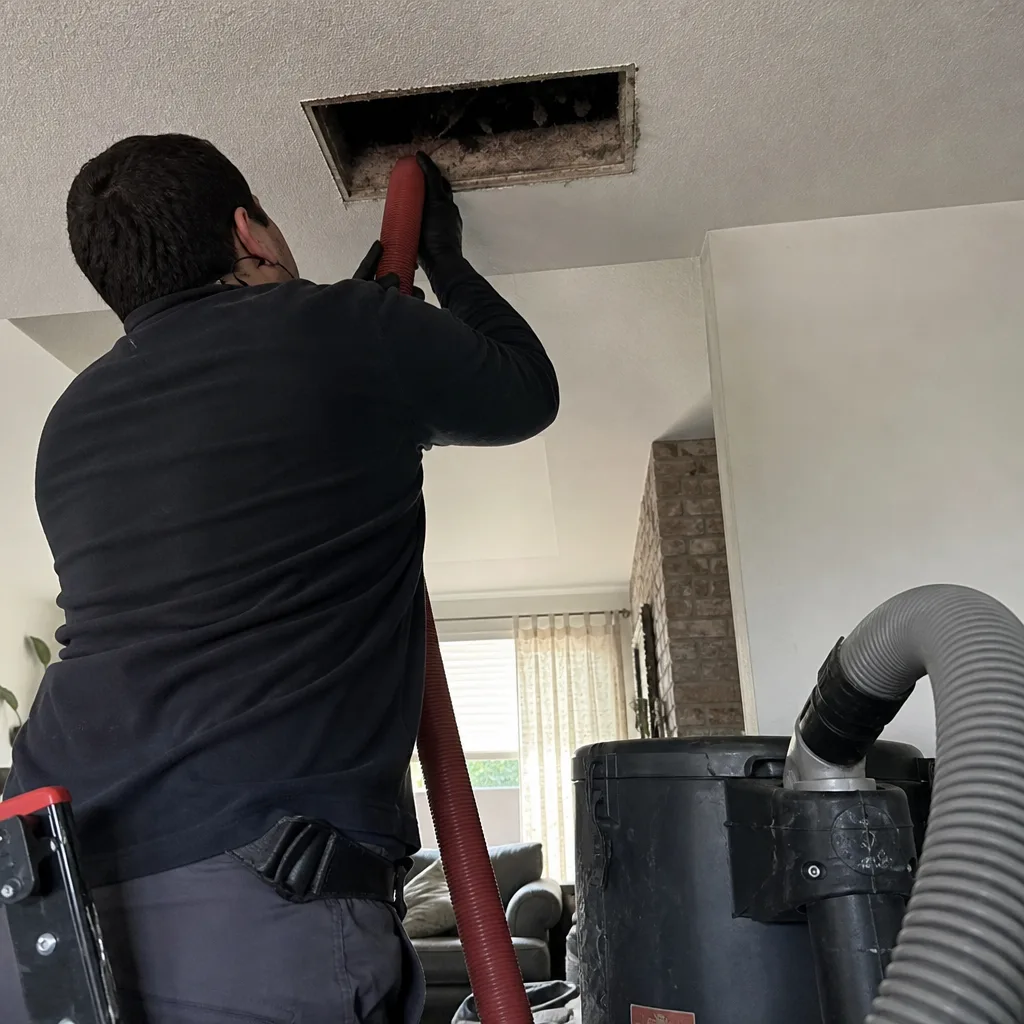 Before
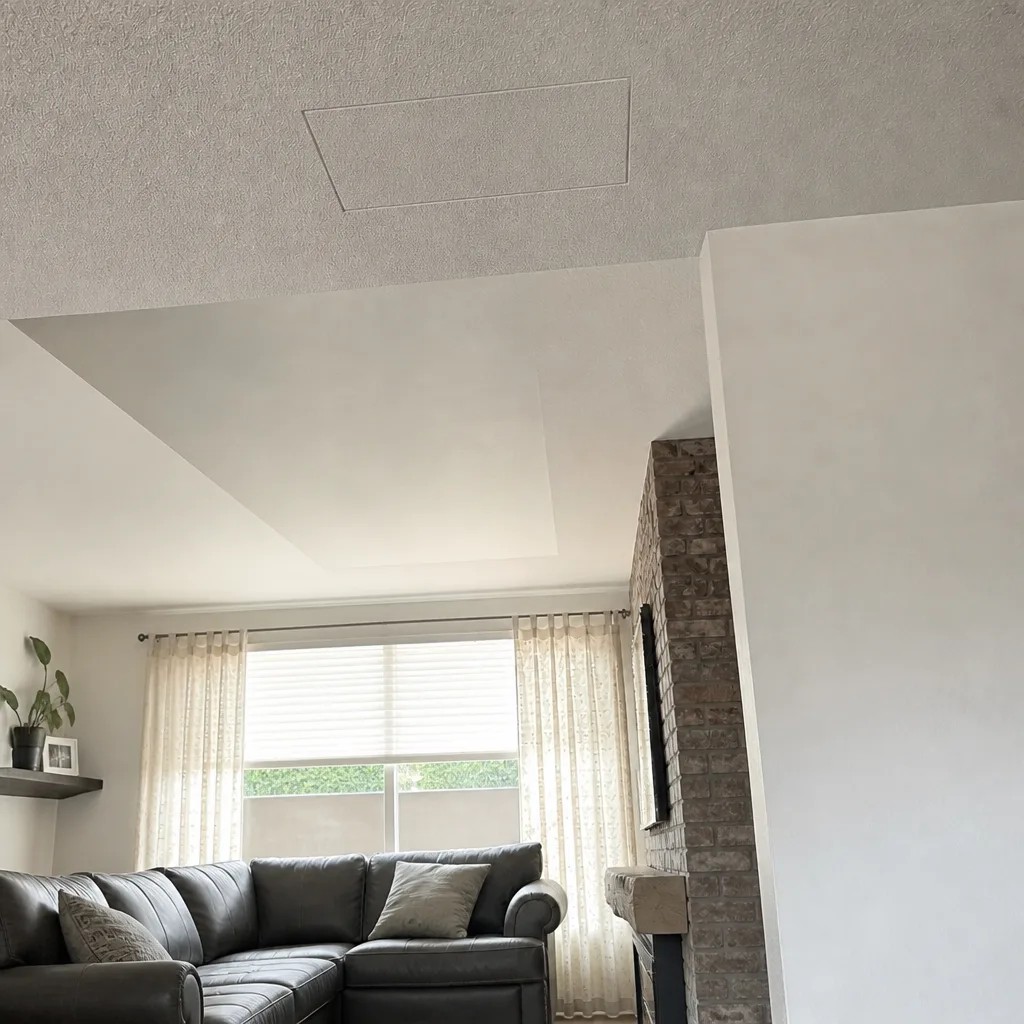 After
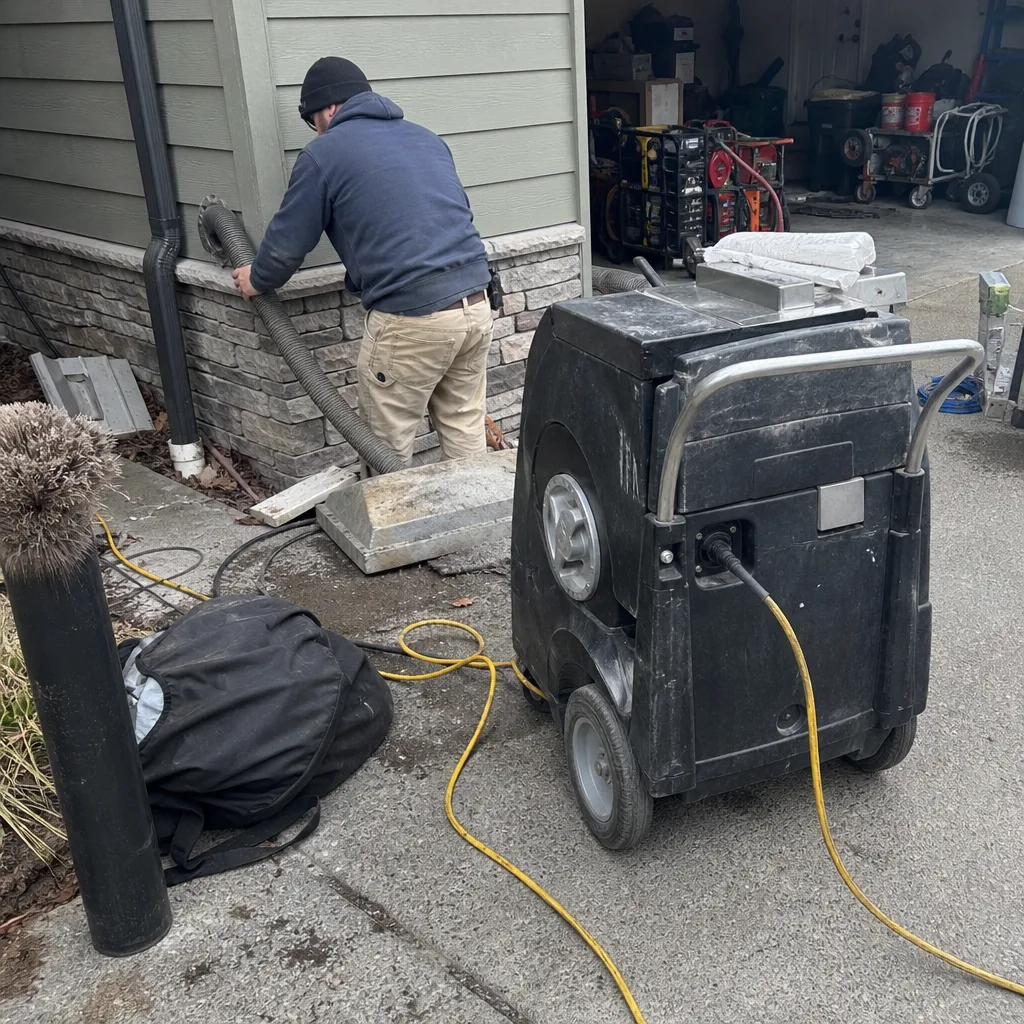 Before
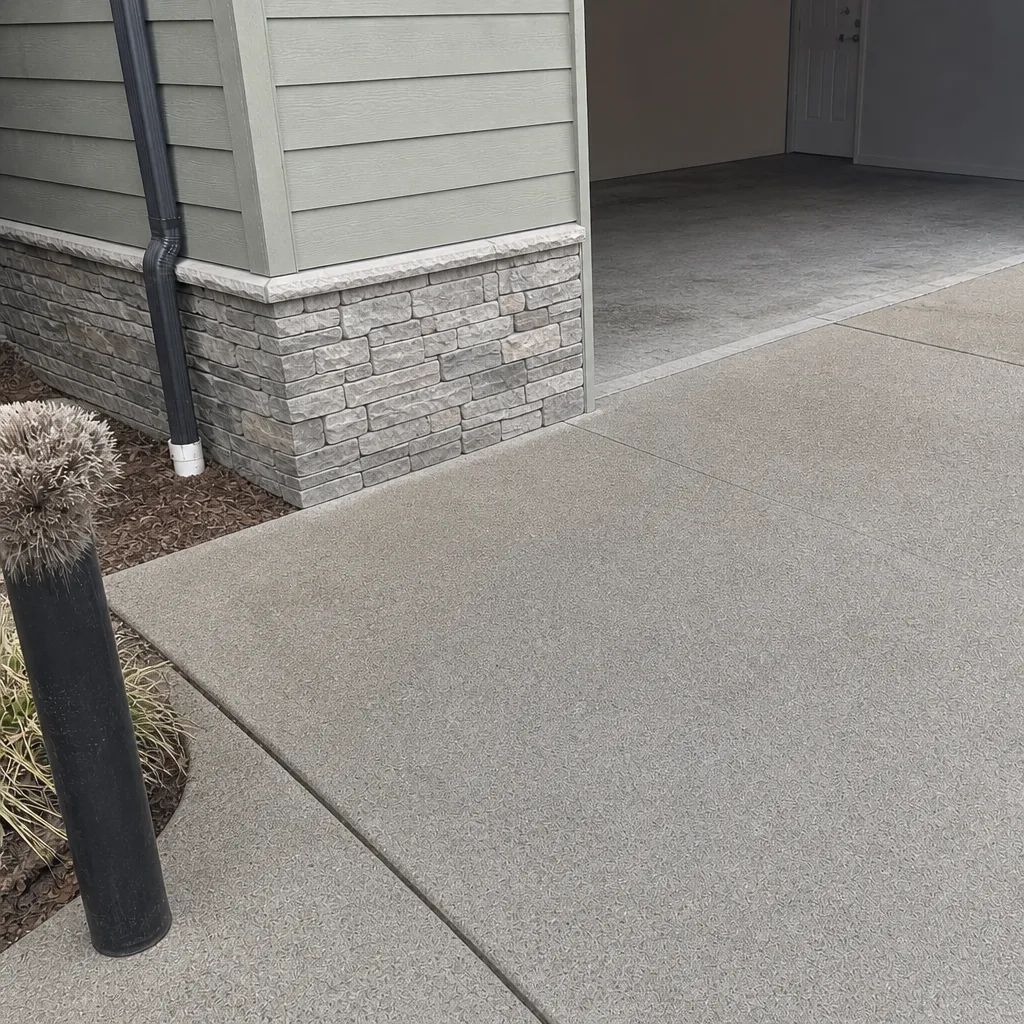 After
When to Call a Professional
Call a duct specialist when the problem goes beyond routine dust. If you’re seeing musty odors that linger after cleaning, visible dust within days of a cleaning, liner damage on camera, or a duct system with a leak rate that’s affecting your heating and cooling bills, the job requires a specialist who can inspect, clean, repair, and seal. If you’re preparing a Bellevue home for sale and need documentation of duct condition, that’s also a specialist call. Our free estimates in Bellevue cover the full picture, including whether a permit may apply to the work you need. Call (866) 937-8330. We answer 24/7. Fast dispatch from 7am to 7pm, Sunday through Friday. The local professionals we connect you with are licensed and insured as their state requires, and the work is quoted per job by written estimate before anything starts.
Frequently Asked Questions
No. Air duct cleaning itself does not require a permit in Bellevue. Cleaning is maintenance, and Bellevue’s mechanical permit framework applies to alterations – not routine cleaning. If the cleaning turns up liner damage, mold, or a register that needs relocating, that follow-on work usually does require a permit. Ask your contractor to confirm the scope in writing before work starts.
Yes, replacing interior duct liner in Bellevue generally requires a mechanical permit. Liner replacement is an alteration to the duct system, not a cleaning. Expect the contractor to pull the permit and schedule an inspection with Bellevue’s building department. Call (866) 937-8330 for an exact quote on a full liner assessment – estimates are free.
Air duct cleaning in Bellevue is priced per system by written estimate, and the estimate is free. What we don’t quote is a per-vent price, because per-vent pricing is the model that turns into surprise upcharges once the technician is on site. One flat price per system agreed before work starts, plus before-and-after photos of your ducts, is the honest model. Call (866) 937-8330 for an exact quote – estimates are free.
Cheap duct cleaning quotes usually reflect a shallow scope: a single air-whip pass without negative-pressure containment, no camera walk-through, and no liner inspection. That’s not the same service as Rotary brush extraction with containment. The cheaper price is cheaper because less equipment and less time are involved, and the debris that stays in the system doesn’t leave on its own. Call (866) 937-8330 for an exact quote on a full-scope clean – estimates are free.
You get before-and-after photos of your own ducts, a written scope of work, and a signed invoice that lists what was cleaned. If the job involved a permit, you also get the permit number and the inspection record. The contractor should hand you all of it without being asked. Call (866) 937-8330 for an exact quote – estimates are free.
Yes, and it can affect escrow too. King County insurers can deny a claim when damage traces to unpermitted, uninspected work, and title companies request permits and inspection records at resale. A Bellevue homeowner without the paperwork can be forced to pursue a retroactive permit or credit the buyer at closing. The cleanest path is to keep the permit number and inspection card on file from day one.
Start with the parent service page for Air Duct Cleaning Bellevue Pros, which covers the full scope of what we do. For the cleaning side specifically, see air duct cleaning. For the fire-prevention service that most duct-only providers skip, see dryer vent cleaning. For your furnace and coil, see HVAC cleaning.
The Bottom Line
The single most useful thing to remember from this guide is the split between maintenance and alteration. Cleaning doesn’t need a permit in Bellevue. The liner replacement, mold remediation, sealing, or register relocation that can follow cleaning usually does. Get the permit number on the contract before work starts, ask for the inspection card before final payment, and keep both in the file you’ll hand to your real estate agent. The documentation trail is what protects you at insurance, at escrow, and at resale. Bellevue’s wet winters push moisture into crawlspaces, which is where liner damage often starts, which is why we recommend the camera walk-through on any system older than the current decade of construction. The work is done by local professionals who are licensed and insured as their state requires, and the price is quoted per job by written estimate. Call (866) 937-8330. We answer 24/7. Fast dispatch from 7am to 7pm, Sunday through Friday.
Written by the team at Air Duct Cleaning Bellevue Pros.