
Last updated November 23, 2026
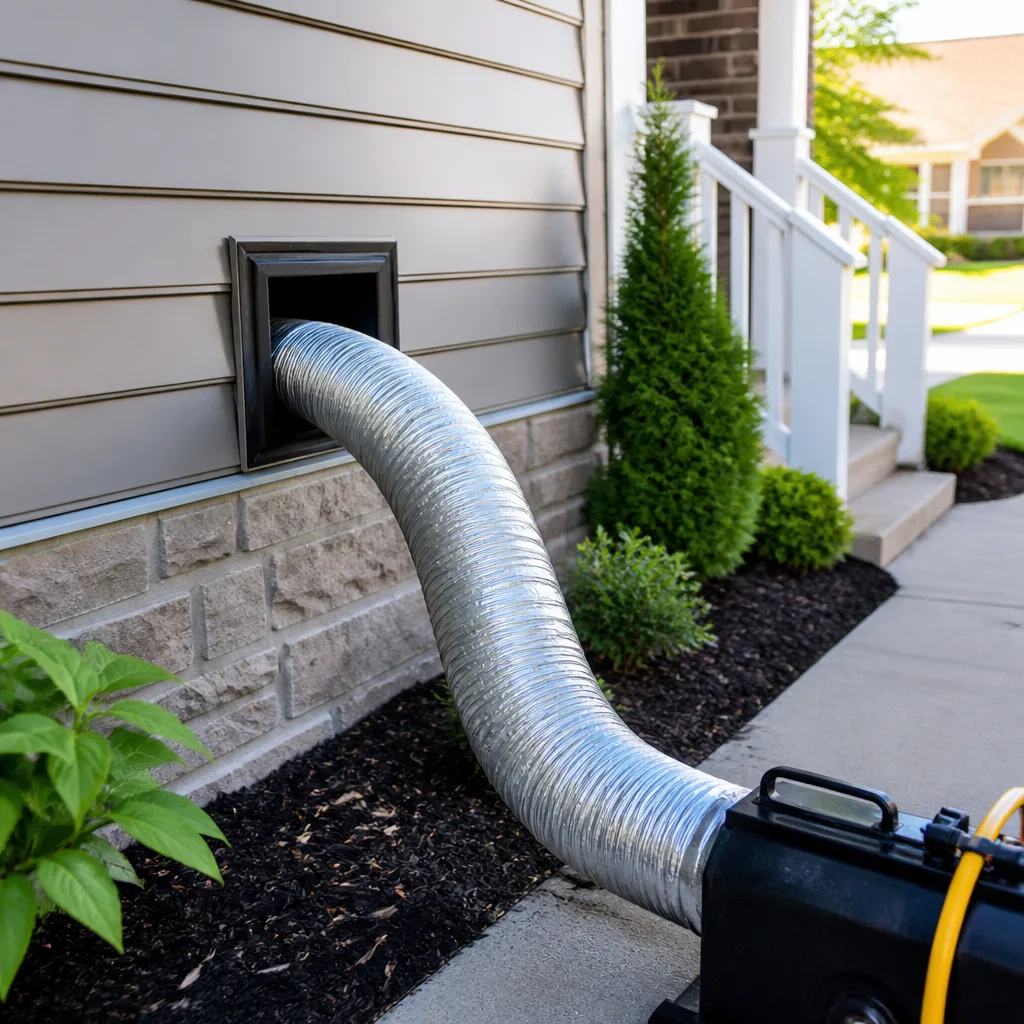 Whole-home duct cleaning
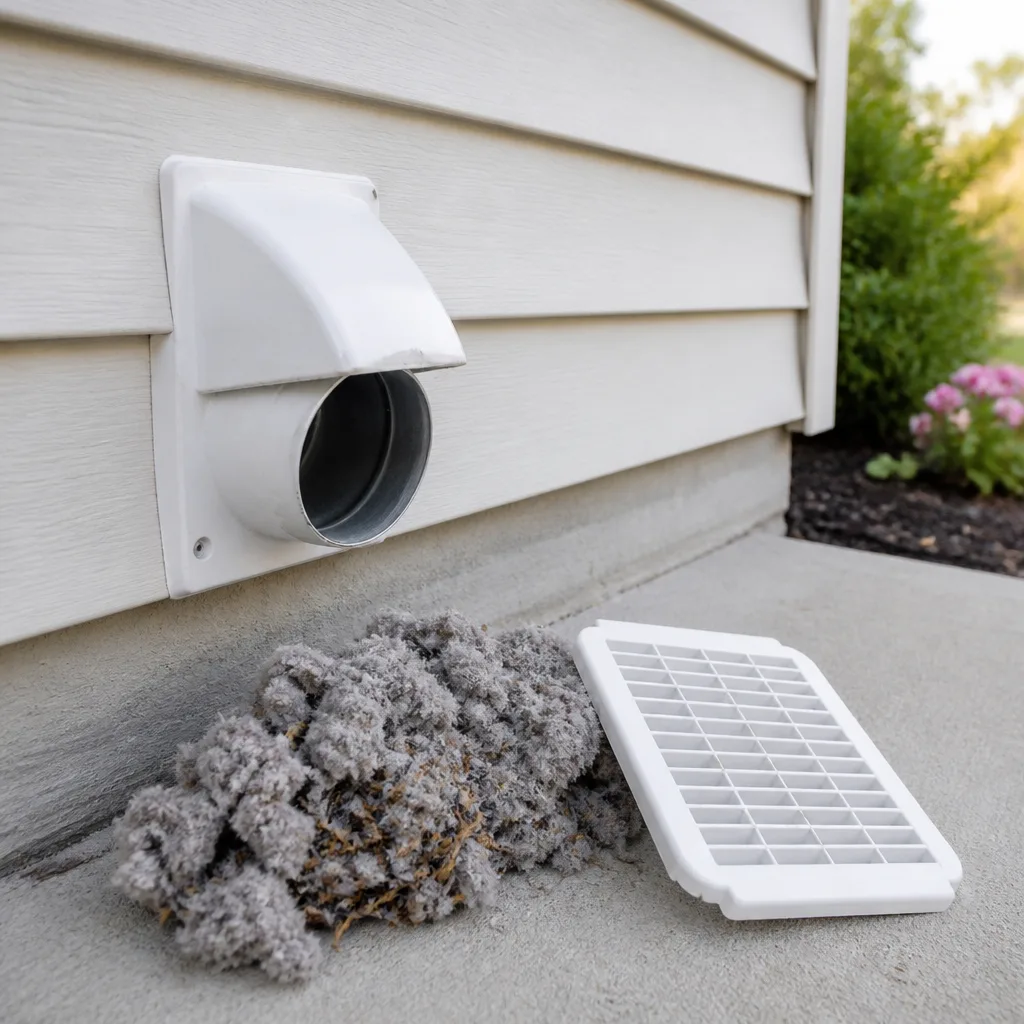 Dryer vent cleaning
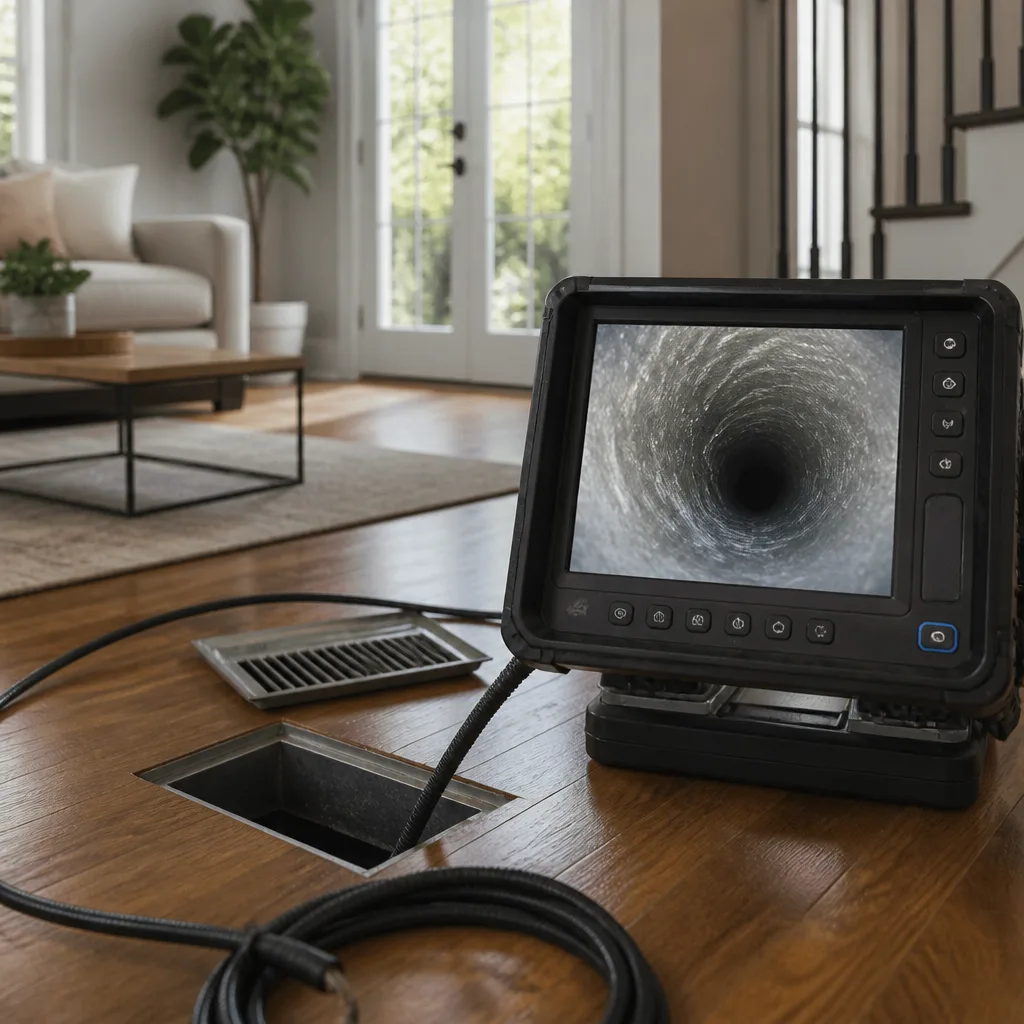 Camera inspection
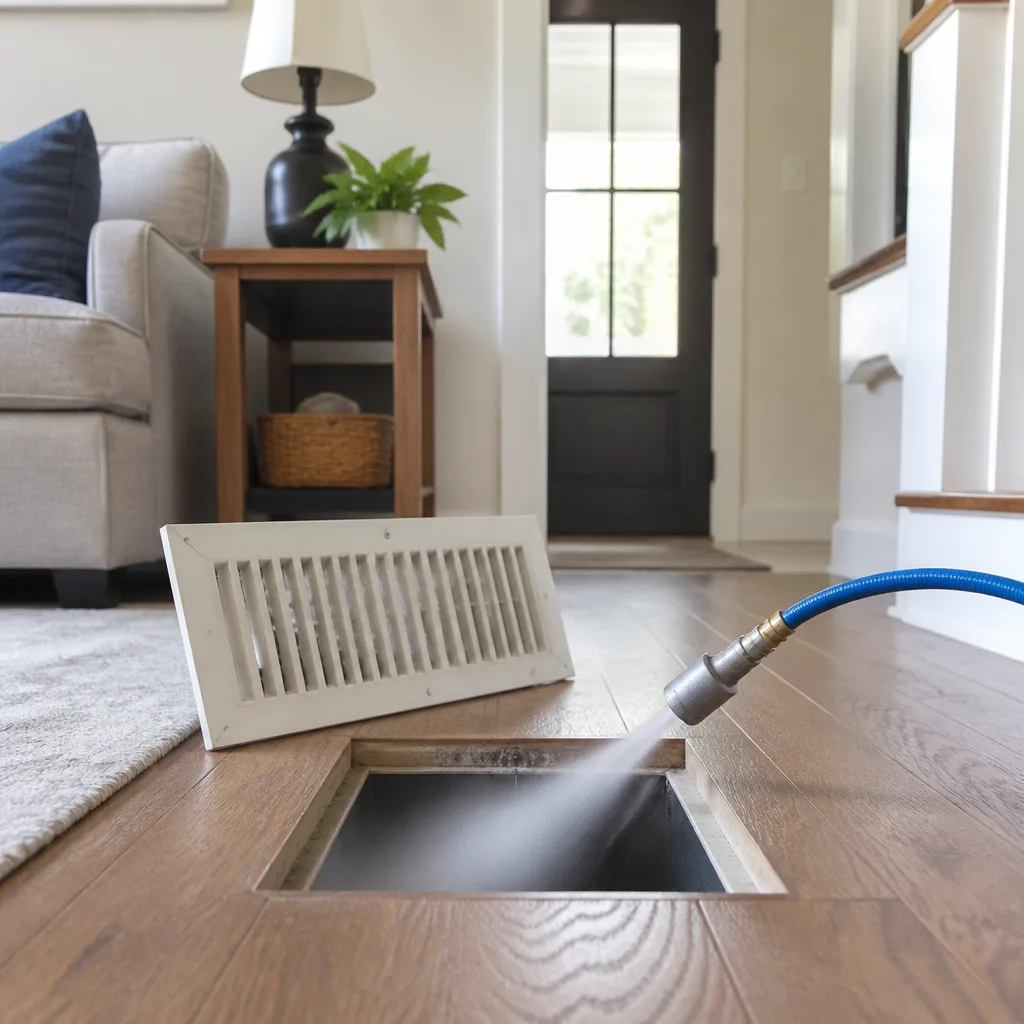 Sanitizing & deodorizing
Whole-system duct and dryer vent check with before-and-after photos - you see exactly what came out of your vents
That "$99 whole-house special" is a bait ad - the real number appears once they are in your hallway, or the "clean" is a shop-vac at the register. We photograph the inside of your ducts before and after instead.
DIY vs Professional Air Duct Cleaning: The Bellevue Homeowner’s Decision Guide
Most homeowners assume duct cleaning is a bigger version of vacuuming. If a shop vac can pull dust off a floor, why wouldn’t it pull dust out of a duct? The answer comes down to physics, not effort. A consumer dryer vent kit and a shop vac moving roughly 90 cubic feet per minute are not a smaller version of a truck-mounted negative air unit running at 2,000+ CFM. They’re two different jobs with two different outcomes. One changes the surface appearance of a register. The other actually removes compacted debris, biofilm, and liner contamination from the system. This guide walks through the real thresholds involved, the narrow cases where DIY makes sense, and how Bellevue homeowners can make a clear-headed decision without getting sold on equipment that can’t do what the label implies.
Quick Answer
In most cases, professional air duct cleaning is the right call for Bellevue homes with visible dust buildup, musty odors, allergy symptoms, or a system that hasn’t been cleaned in several years. DIY cleaning is genuinely useful for register wipe-downs, filter changes, and light dryer vent maintenance, but consumer vacuums and vent kits cannot generate the negative pressure needed to dislodge contaminants from the deeper duct runs. Partial cleaning with underpowered tools can redistribute debris rather than remove it.
Styles & brands we work with
- Whole-home duct cleaning
- Dryer vent cleaning
- Camera inspection
- Sanitizing & deodorizing
Table of Contents
- Why CFM and Static Pressure Decide the Outcome
- What Consumer Equipment Actually Delivers
- The Partial-Cleaning Trap: Why Half a Job Is Worse Than None
- Flex Duct Risks in Bellevue Homes
- When DIY Actually Makes Sense
- The Decision Matrix: DIY, Generalist, or Specialist
- How to Verify the Work Was Done
- What Cleaning Costs in Bellevue and Why Quotes Vary
Why CFM and Static Pressure Decide the Outcome
Every meaningful duct cleaning job depends on two numbers working together: airflow in cubic feet per minute (CFM) and static pressure, which is the resistance the system pushes back against that airflow. Negative pressure inside the duct is what actually pulls debris loose into a collection point rather than letting it settle back onto the liner. Without sufficient negative pressure, you’re not cleaning – you’re stirring.
Here’s the honest comparison most DIY guides skip:
- Consumer shop vac: 90-200 CFM at the hose, minimal static pressure, no sealed connection to the duct system.
- Consumer dryer vent kit: Same class of airflow, designed for short, straight, accessible runs only.
- Portable professional unit (Nikro or similar): 500-1,500 CFM with proper containment and sealed hookups.
- Truck-mounted or high-capacity negative air unit: 2,000+ CFM with static pressure calibrated to hold the whole system under negative pressure.
To dislodge biofilm – the sticky, colonized layer of dust and organic matter that forms on duct interiors – you need sustained air velocity at the wall surface, not just total airflow. A shop vac pulls air through the open register and loses most of its velocity before reaching a wall of the duct 12 feet in. A calibrated negative air unit pulls the entire system under a pressure differential, so dislodged material has nowhere to settle except the filter.
That’s the reason professional cleaning is a process, not a gadget. The technicians we connect you with operate Rotobrush rotary-brush systems that combine contact agitation with extraction, so the wall surface gets physically scrubbed while the airflow carries debris out. Consumer tools do neither at scale.
What Consumer Equipment Actually Delivers
A shop vac is a useful piece of equipment. It’s just not a duct cleaning machine, and pretending otherwise wastes money and creates false confidence. Here’s what actually happens when a homeowner tries to clean a system with consumer tools.
- Reach. A shop vac hose reaches 10-15 feet. Most residential trunk lines in Bellevue homes run 30-60 feet from the air handler to the farthest register, with branches off the trunk that a hose can’t turn into.
- Seal. Consumer hoses don’t seal against a register boot. Seventy to ninety percent of the vacuum’s suction is lost at the connection before it ever reaches the duct wall.
- Agitation. Dust that has been bonded to the liner for years doesn’t lift from airflow alone. It needs a rotary brush, a forward air whip, or mechanical contact to break it free.
- Containment. Nothing in a consumer setup captures the fine particulate that gets disturbed. It migrates into the room the moment the vacuum is shut off or the register is reopened.
Professional setups reverse each of those limits. Nikro negative-pressure containment keeps the entire system under vacuum while work is in progress, so disturbed debris gets pulled toward a HEPA-filtered collection point rather than into the living room. Abatement Technologies filtration gear – the same class of equipment used in commercial remediation – is what makes that containment reliable on jobs with heavier contamination.
None of that is about brand loyalty. It’s about whether the equipment can do the job it claims. On a light cleaning, a contractor with a portable professional unit can achieve meaningful results. On a system with visibly compacted debris or liner contamination, the equipment class matters enormously.
The Partial-Cleaning Trap: Why Half a Job Is Worse Than None
If there’s one point we want Bellevue homeowners to take away, it’s this: partially cleaned ducts can be worse than untouched ducts. That’s counterintuitive, but it follows directly from how duct systems work.
A duct system is a single connected pressure network. Air moves through it as one body. When you clean the accessible registers and the first 10 feet of the branches off the air handler, but leave the trunk line, the plenum, and the inaccessible branches alone, you’ve done three things:
- You’ve loosened debris in some runs without removing it from the system.
- You’ve changed the pressure balance slightly, so that loosened material migrates toward the dirtiest sections – often into the spaces you can’t see or reach.
- You’ve given the homeowner a false sense that the system is now clean, when a large fraction of the contamination load is untouched.
In our experience, “partial clean” complaints we hear about are almost always the result of this pattern: accessible registers were cleaned, the deeper system was not, and the homeowner sees no change in dust, odor, or allergy symptoms. The problem wasn’t the cleaning method – it was that only part of the system was cleaned.
Professional cleaning works because the whole system is brought under negative pressure at once, and every branch is cleaned in the same session. That’s also why air duct cleaning is priced per system rather than per vent: the work is one continuous job, not a list of separate line items.
Flex Duct Risks in Bellevue Homes
Many Bellevue homes, especially those built or renovated in the 1990s through the 2000s, use flex duct for branch runs off the main trunk. Flex duct is a plastic liner over a wire helix, wrapped in insulation. It’s efficient at moving air and inexpensive to install. It’s also unforgiving of improper cleaning.
Three things can go wrong when flex duct is handled with consumer tools:
- Liner puncture. A brush or hose end pushed aggressively through a flex run can tear the inner liner. Once the liner is compromised, insulation fibers enter the airstream and the run effectively has to be replaced.
- Connection separation. Flex duct connects to boots and takeoffs with tape, mastic, or zip ties. If the connection gives way during cleaning, the system loses pressure and the run leaks into a wall cavity or attic.
- Pressure testing failures. Bellevue homes built or remodeled in recent years often go through duct leakage testing as part of permit requirements. A separated or torn flex connection discovered after a DIY attempt can fail that test and require re-inspection.
Professional cleaning accounts for flex duct. Rotary brush systems are adjusted for liner-safe pressure and speed, and the technician works through connections with a feel for what the duct can take. That’s not something a homeowner can calibrate at home with a shop vac and a vent brush kit.
If any of your runs are flex, treat them as off-limits for DIY cleaning past the register boot. The register face itself is fine to wipe down. Everything past the boot belongs to a trained hand.
When DIY Actually Makes Sense
We’re not in the business of telling homeowners they can’t touch their own homes. There are real, useful, safe homeowner tasks in the indoor air quality category. Here’s where DIY earns its place:
- Register face cleaning. Wiping the visible register grille with a damp cloth every month or two keeps dust from visibly accumulating and is genuinely useful as upkeep.
- Filter changes. Replacing the return filter on the schedule your system manufacturer lists is the single highest-value maintenance task a homeowner can do. A clean filter reduces dust load on the whole system.
- Dryer vent maintenance. Clearing lint from behind the dryer and from the short, accessible run directly behind the appliance is a legitimate homeowner task and reduces fire risk. Full dryer vent cleaning of the long vertical run, and any run through a wall or roof, is a different job that benefits from professional equipment.
- Return grille vacuuming. Vacuuming the return grille face from the room side pulls up loose dust before it gets pulled into the system.
- Duct tape check on visible joints. If you can see a joint on a run in a basement or mechanical room, checking whether the seal is intact is fine – just don’t attempt to reseal without the right mastic and mesh.
The line is clear: anything that touches the register face or the air filter is yours. Anything that requires reaching past the register boot and into the duct interior belongs to a technician with negative-pressure equipment and the training to use it on your system type.
The Decision Matrix: DIY, Generalist, or Specialist
Three tiers of work exist, and they call for three tiers of provider. Matching the job to the tier is the most important decision a Bellevue homeowner can make, and it’s where most quotes go wrong in either direction.
- DIY (cosmetic and preventive maintenance). Register wipe-downs, filter changes, dryer lint clearing, return grille vacuuming. No special equipment needed. No health risk. Worth doing regularly.
- Generalist HVAC company (basic cleaning on a lightly soiled system). A reputable HVAC contractor with a portable cleaning unit can handle a system that has light dust accumulation and no symptoms. Ask what equipment they use and whether they can document before-and-after conditions. If they can’t answer both, keep looking.
- Duct cleaning specialist (the three cases below). Hire a specialist when the job requires contact cleaning, containment, or finishing steps a generalist doesn’t carry. That means:
- Mold or microbial growth in the system. Requires negative-pressure containment, HEPA filtration, and a sanitizing step after cleaning. Not a generalist job.
- Smoke, fire, or water damage. The contaminants aren’t ordinary dust – they’re soot, char, or biological material that requires controlled containment and the same certification class of equipment used in remediation.
- Post-renovation cleaning. Drywall dust and construction debris get pulled deep into the system during a remodel. What’s sitting in the ducts after a kitchen remodel isn’t the kind of dust you want a shop vac to try to reach. Specialists with Abatement Technologies equipment and full-scope capability from cleaning through HVAC cleaning are the right tier.
One more consideration for Bellevue specifically: our wet, mild climate means the interior of the duct system stays within the humidity and temperature range where mold and dust mites like to grow. Systems that rarely run dry and hot the way they do in dry climates accumulate that biological layer more readily. That doesn’t make every Bellevue home a mold case, but it does mean “musty smell from the vents” is a symptom worth taking seriously rather than masking with an air freshener.
How to Verify the Work Was Done
Duct cleaning has a reputation problem – some providers clean two registers, run a vacuum for fifteen minutes, and invoice for the whole system. Here’s how to know whether the work was actually performed on the full system, whether you hire us or anyone else.
- Before-and-after photos of your own ducts. Not stock photos, not “here’s an example,” the actual runs in your actual home. A technician with proper equipment should be able to document what a run looked like before cleaning and what it looks like after. Ask for that before work starts.
- Negative-pressure confirmation. During the job, the system should be under containment. If your technician isn’t setting up containment with filtration equipment, ask why.
- Access point count. Cleaning a whole system requires creating and resealing access points on the trunk line and, when needed, on branches. A cleaning that claims to have covered the whole system without opening any access points didn’t clean the whole system.
- Post-cleaning steps. Sealing, sanitizing where needed, and confirming filters are placed correctly afterward are finishing steps that a rushed job skips.
- Written scope before work starts. What’s being cleaned, what’s not, and what the price includes. If the scope shrinks after the technician arrives, that’s a sign of the bait-and-switch pattern this industry is known for.
The best protection against getting an incomplete job is a clear, written, per-system price agreed before anyone touches the system. No per-vent pricing games, no surprise add-ons after the equipment is on site.
What Cleaning Costs in Bellevue and Why Quotes Vary
The honest answer is that duct cleaning costs vary because the systems vary. A single-story ranch with one trunk line and eight registers is a different job than a three-story Bellevue Craftsman with two systems and multiple branches off each. Here’s what we see in the local market: quotes that come in well below the range for a comparable home almost always reflect a smaller scope than the homeowner thinks they’re buying – typically two or three registers dressed up as “whole-house cleaning.”
Typical estimate ranges you should expect for whole-system cleaning on a single Bellevue home usually fall between a few hundred dollars for a compact, straightforward system and roughly double that for larger homes with two zones. Sanitizing, dryer vent cleaning, and duct repair & sealing are separate scopes. The written estimate sets the final price, and it should confirm the full system is included before work starts.
If a quote doesn’t state the number of registers, the number of systems, and whether access points will be created, ask. If it emphasizes a low coupon price but can’t tell you what’s included, that’s the pattern to walk away from.
Also worth knowing: duct repair & sealing and Air Duct Cleaning Bellevue Pros are often done in a single visit, because the technician is already in the system and knows what they’re sealing. A full-scope technician can address root causes – loose joints, unsealed boots, missing access panels – rather than leaving the system clean but leaky.
Common Mistakes to Avoid
- Buying a low coupon and assuming it’s a full system clean. Cheap duct cleaning coupons usually cover a handful of registers, not the trunk and branches. Ask what the coupon actually covers before booking.
- Cleaning only the accessible registers and calling it done. The trunk line and branches are where most of the contamination sits, and they don’t get reached by a hand vac with a short hose. Whole-system or nothing.
- Running a shop vac through a flex duct. The liner punctures more easily than it looks. Once it’s torn, the run usually has to be replaced.
- Skipping containment on a heavy-debris job. Without negative pressure, the dust you dislodge ends up in the room. If your provider isn’t setting up containment, ask why.
- Ignoring the dryer vent. A full dryer vent run can accumulate lint in a way a homeowner can’t see from behind the appliance. Lint buildup is a fire risk that most duct-only providers don’t cover.
- Hiring a provider who can’t show before-and-after photos of your own system. General photos of someone else’s ducts don’t verify anything about yours.
- Cleaning without addressing obvious leaks or loose connections. A clean system with leaking joints will re-dirty quickly. Ask for duct repair & sealing as part of the same visit if the technician finds problems.
See the difference
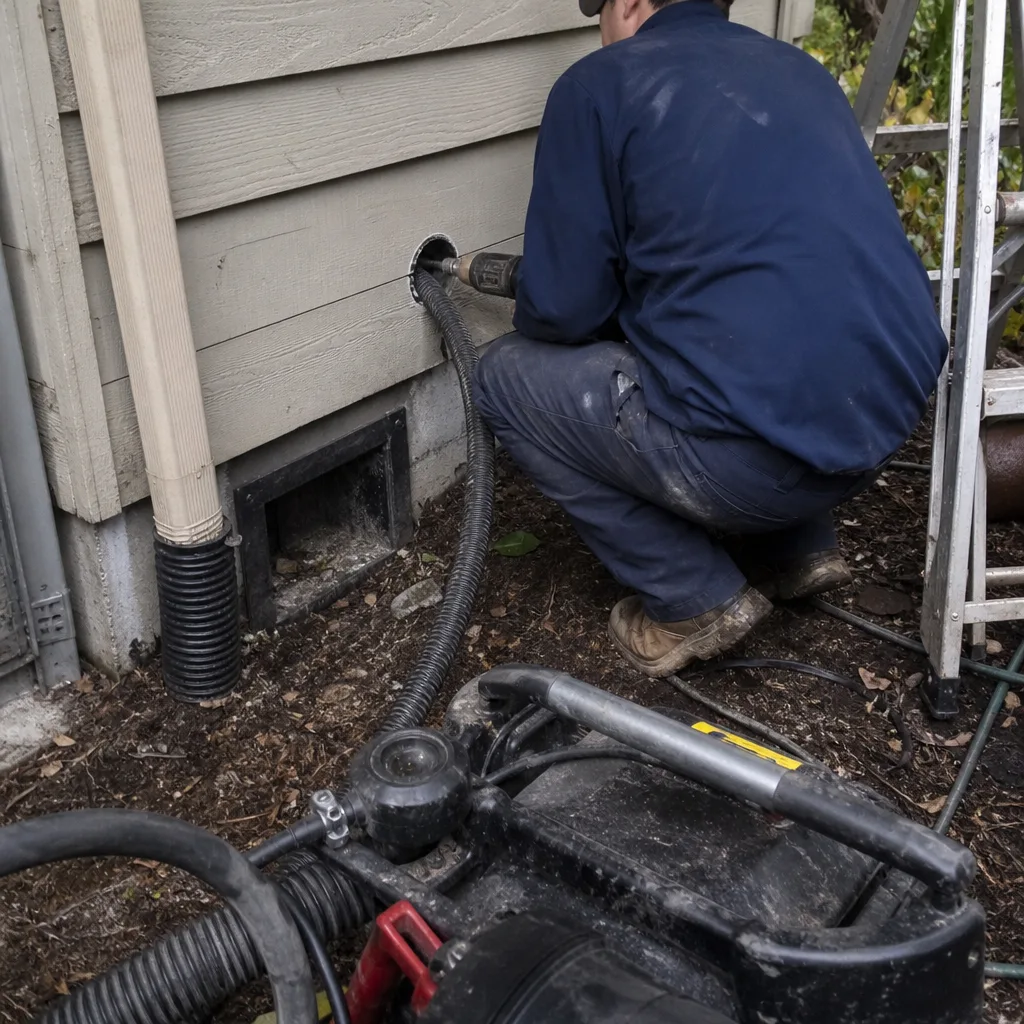 Before
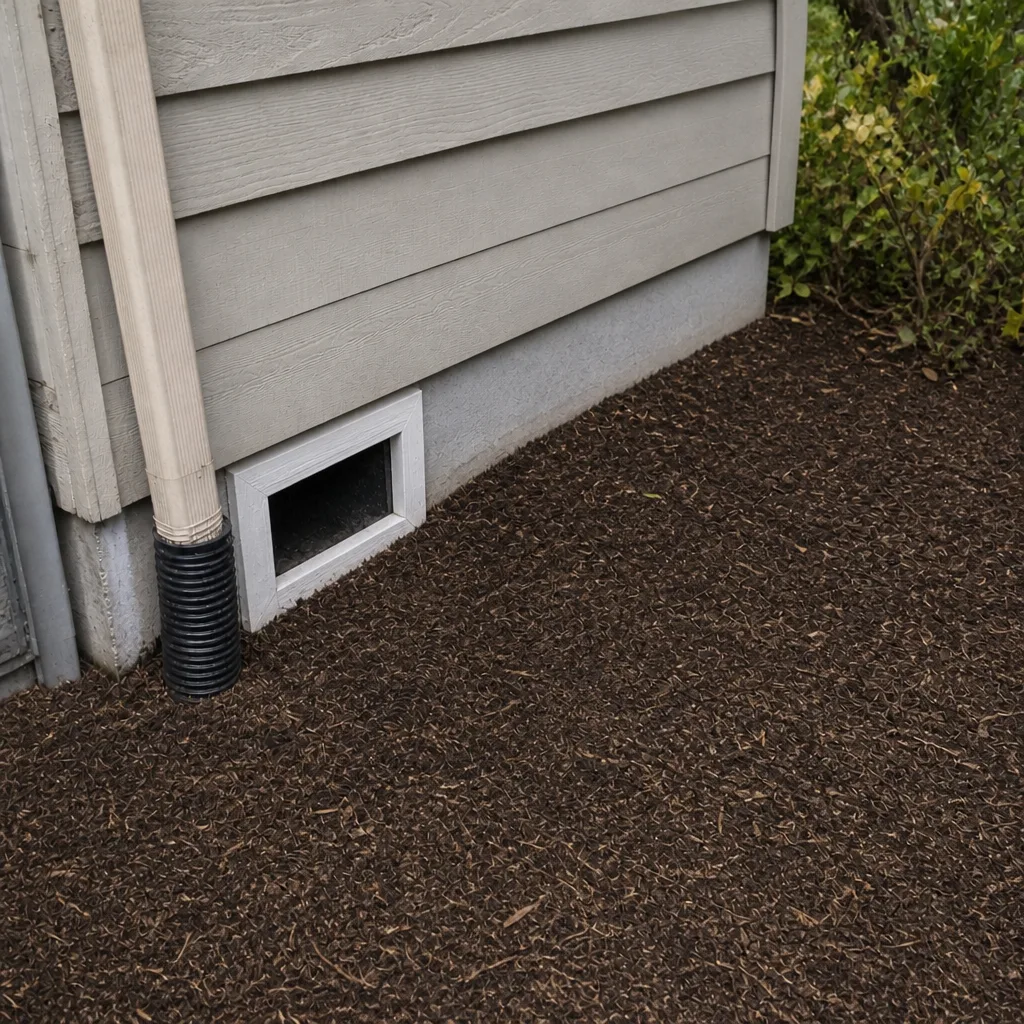 After
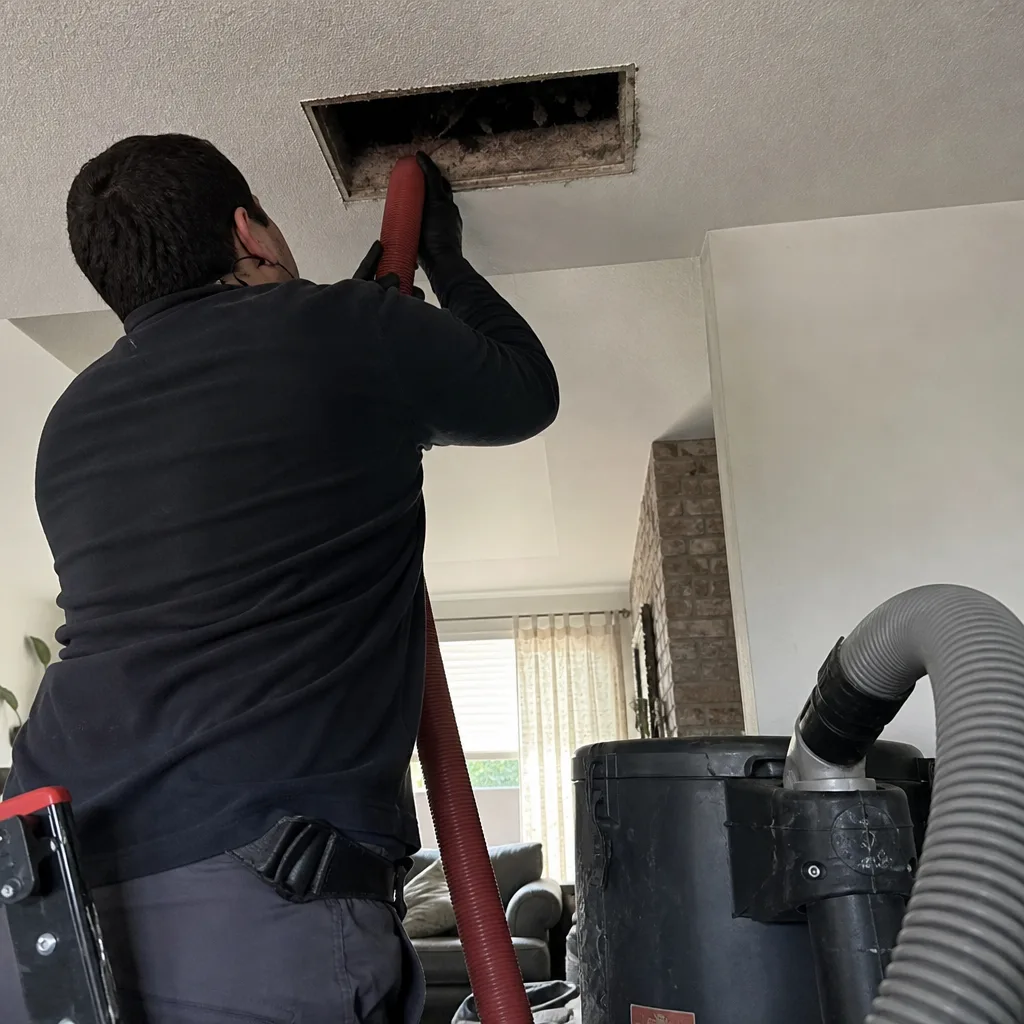 Before
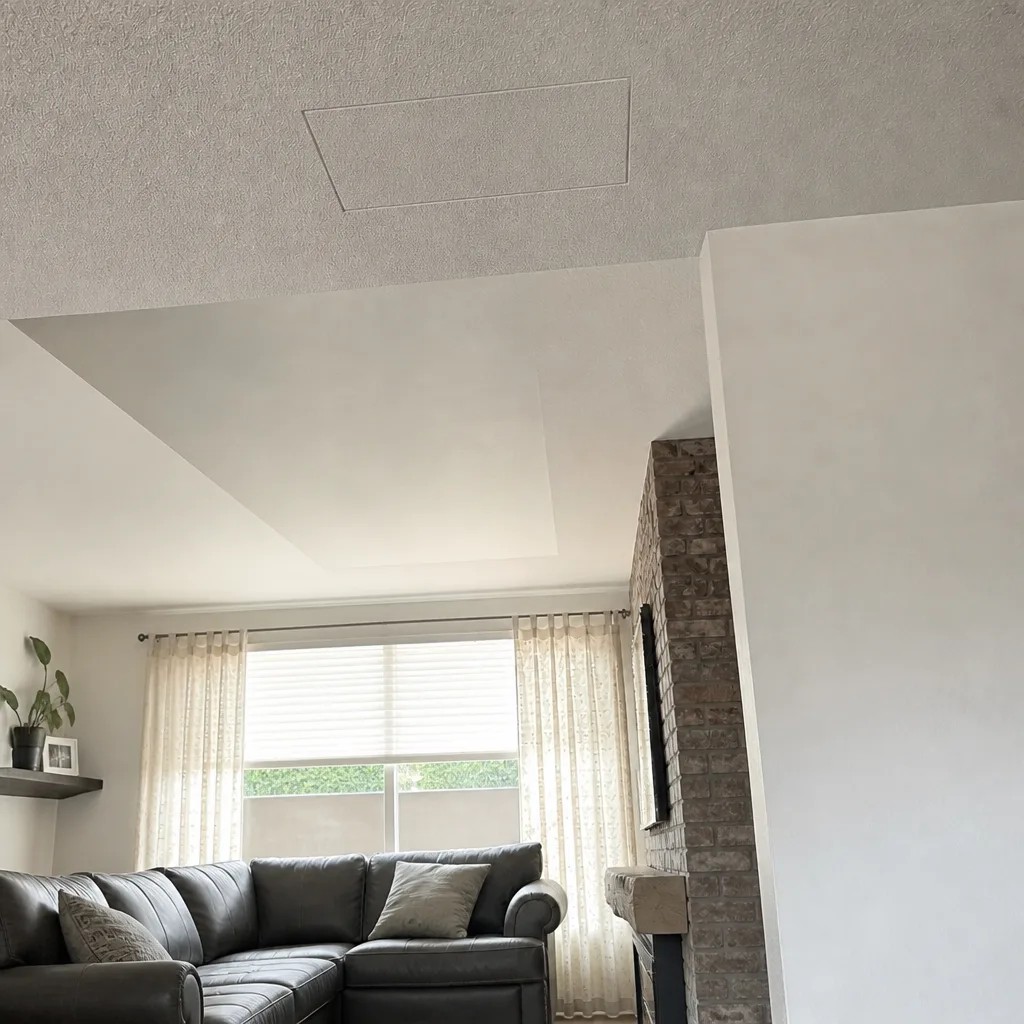 After
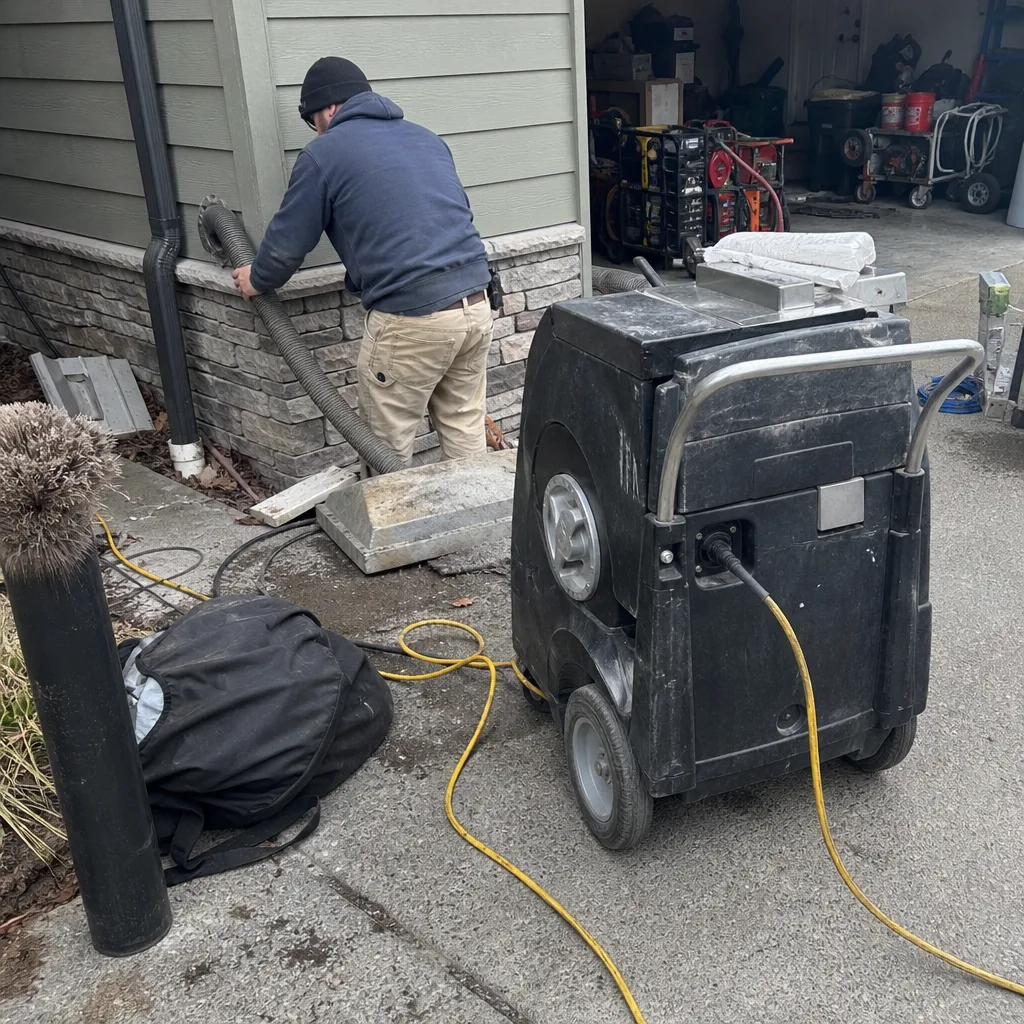 Before
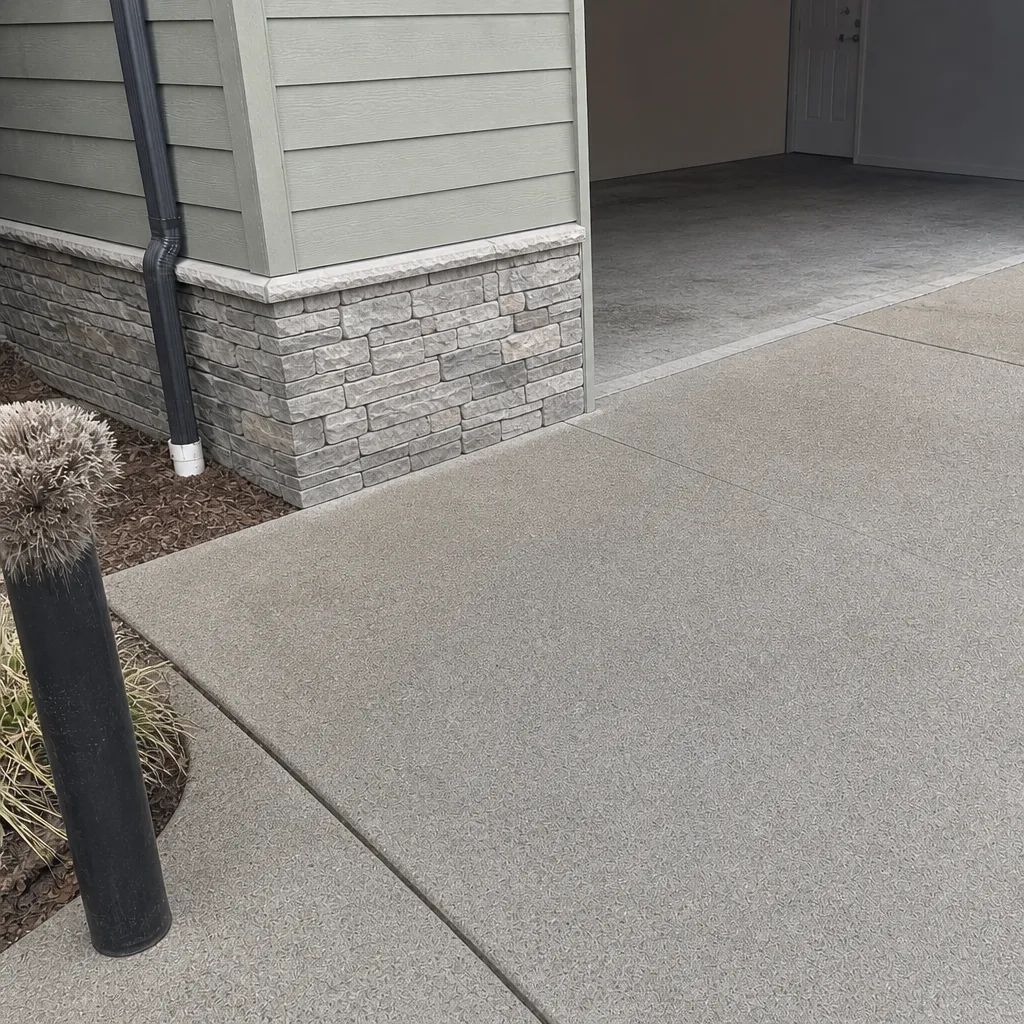 After
When to Call a Professional
The honest rule: if you can see the problem from a register face, you can DIY. If you can’t, call someone with equipment that can reach it. Call a professional when you notice persistent dust settling on surfaces shortly after cleaning, a musty or stale smell from the vents, allergy or asthma symptoms that ease when you’re out of the home, or visible debris inside a register boot. Call a specialist – not a generalist – when the system has had water damage, smoke exposure, mold growth, or recent renovation dust. Call for dryer vent cleaning when the run is more than a few feet long or passes through a wall or the roof. Air Duct Cleaning Bellevue Pros offers free estimates in Bellevue – call (866) 937-8330. We answer 24/7. Fast dispatch from 7am to 7pm, Sunday through Friday. Our technicians have up to 9 years of experience, and they work with Rotobrush and Nikro systems and Abatement Technologies containment gear so the cleaning is done as a full-system process.
Frequently Asked Questions
The difference is equipment class, not effort. Consumer vacuums deliver roughly 90-200 CFM with no meaningful negative pressure inside the duct system; professional units deliver hundreds to thousands of CFM under controlled negative pressure with containment. That gap is what allows professional cleaning to dislodge biofilm and compacted debris that a shop vac can’t reach. Call (866) 937-8330 for an exact quote – estimates are free.
Typical estimate ranges for whole-system cleaning on a single Bellevue home usually fall between a few hundred dollars for a compact system and roughly double that for larger homes with two zones. The written estimate sets the final price, and it should state the full system scope clearly before work starts. Call (866) 937-8330 for an exact quote – estimates are free.
Because they usually cover less. A low quote often means cleaning a handful of registers rather than the trunk and branches, no containment, and no verification photos. The work that gets skipped is the work that actually matters. Call (866) 937-8330 for an exact quote – estimates are free.
Before-and-after photos of your own ducts, containment visible during the job, a written scope confirming the full system, and access points created and resealed. Any provider who can’t give you all four isn’t documenting the work. Call (866) 937-8330 for an exact quote – estimates are free.
Most homes don’t need it on a fixed schedule; they need it when there’s a reason. Persistent dust, musty odor, allergy symptoms, water damage, renovation dust, or a system that hasn’t been opened in many years are the triggers. Our wet Bellevue climate means biological growth in the ducts tends to build up faster than in dry climates. Call (866) 937-8330 for an exact quote – estimates are free.
You can wipe down register faces and change filters, and that’s worth doing. You cannot reach past the register boot into the duct interior with consumer tools in a way that actually cleans the system, and on flex duct a DIY attempt risks liner damage. The reach and pressure simply aren’t there. Call (866) 937-8330 for an exact quote – estimates are free.
The Bottom Line
DIY duct cleaning isn’t dangerous because homeowners don’t try hard enough. It’s ineffective because the equipment available at a home improvement store can’t generate the negative pressure needed to dislodge what’s actually in the duct system. Register wipe-downs, filter changes, and light dryer lint clearing are real homeowner tasks worth doing. Whole-system duct cleaning past the register boot isn’t one of them. For Bellevue homes with visible dust buildup, musty odors, allergen concerns, or a recent renovation, the honest answer is that professional cleaning with proper containment is the only way to actually remove the contamination load. If you’re weighing the options, call (866) 937-8330 for a free estimate. We answer 24/7. Fast dispatch from 7am to 7pm, Sunday through Friday.
Written by the team at Air Duct Cleaning Bellevue Pros.