
Last updated November 23, 2026
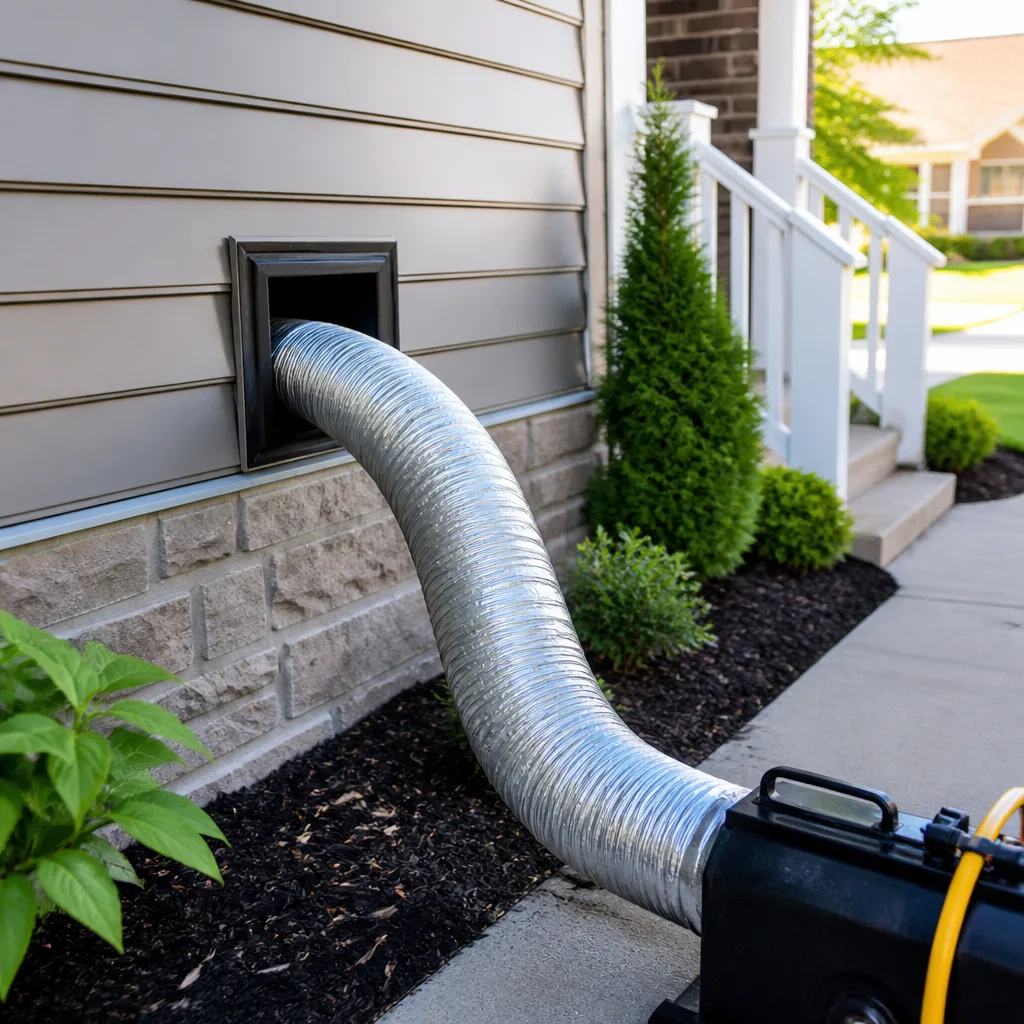 Whole-home duct cleaning
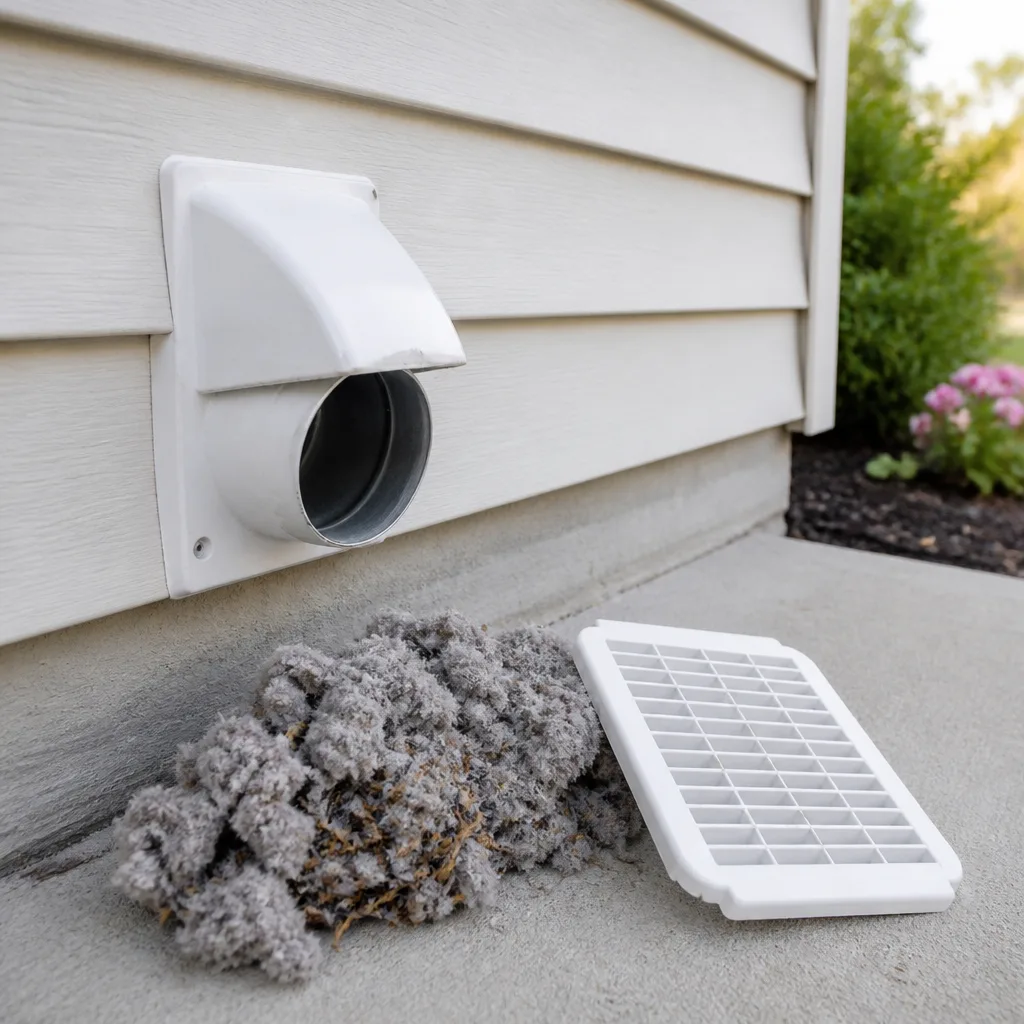 Dryer vent cleaning
 Camera inspection
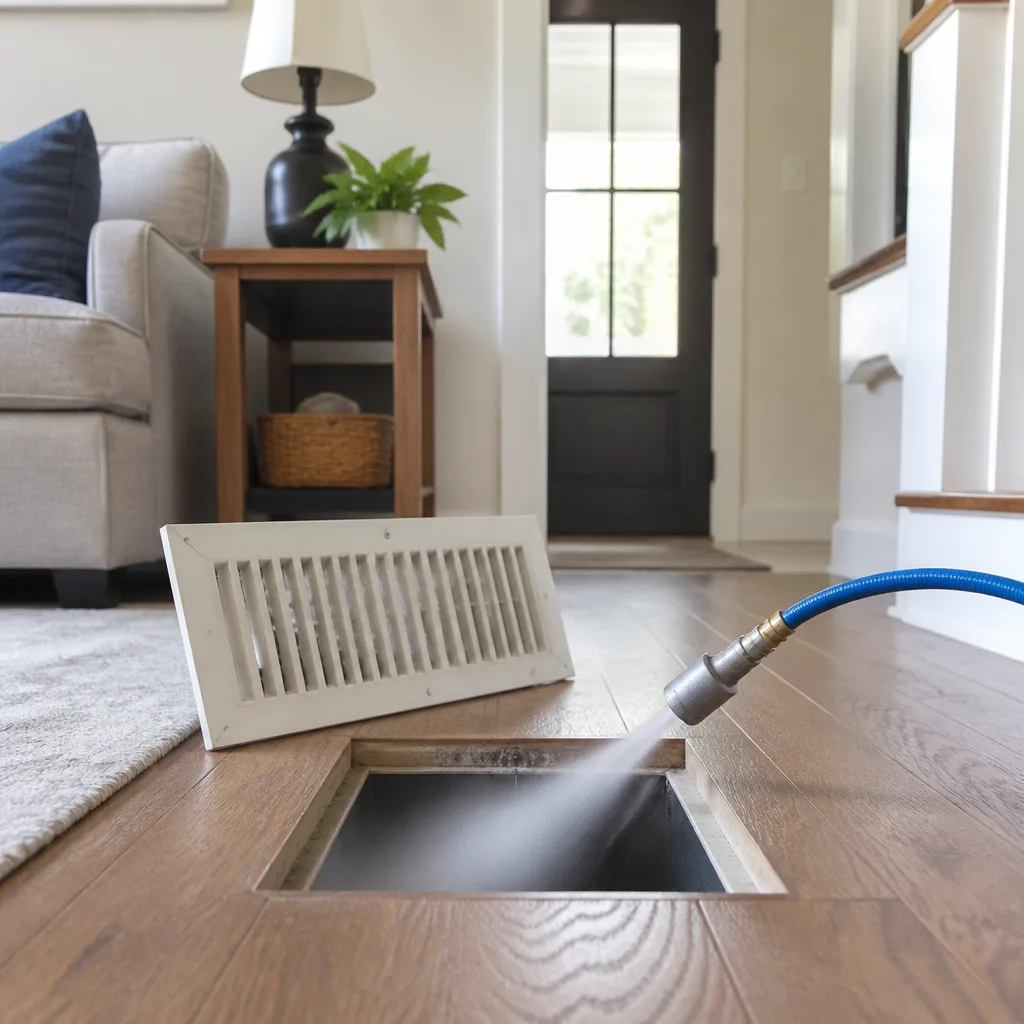 Sanitizing & deodorizing
Whole-system duct and dryer vent check with before-and-after photos - you see exactly what came out of your vents
That "$99 whole-house special" is a bait ad - the real number appears once they are in your hallway, or the "clean" is a shop-vac at the register. We photograph the inside of your ducts before and after instead.
Seasonal Air Duct Cleaning Care for Bellevue: Year-Round Homeowner’s Guide
The worst time to clean the ducts in a Bellevue home usually isn’t when they look dirtiest. It’s the week after you switch the furnace on for the first time in fall, when months of settled debris lift off the duct walls and get pushed through every room in a matter of hours. Most homeowners schedule duct work in spring, assuming that’s when air quality matters most. By then, the damage from a full heating season has already spread through the living space. This guide breaks the year into four distinct pressure points that hit Bellevue homes, explains what each one leaves behind in your duct system, and shows you how to time service so you’re cleaning ahead of the problem instead of chasing it.
Quick Answer
Seasonal air duct cleaning in Bellevue works best when it’s timed to the local climate rather than done as one annual event. Late September, just before heating season starts, is the highest-value window because it removes summer wildfire particulate and settled debris before the furnace pushes it through the house. Winter then calls for watching crawlspace ducts for condensation, spring for pollen control, and summer for smoke readiness. Each season stresses a different part of the system, so a single cleaning a year misses most of what actually accumulates.
Styles & brands we work with
- Whole-home duct cleaning
- Dryer vent cleaning
- Camera inspection
- Sanitizing & deodorizing
Table of Contents
- Why Bellevue’s Ducts Face Four Different Problems a Year
- Why Late September Is the Highest-ROI Window in Bellevue
- What Actually Accumulates in Bellevue Ducts, Season by Season
- How to Prepare the System Between Seasons Without a Pro Visit
- The Filter Upgrade Path After a Professional Cleaning
- Winter Crawlspace Duct Risks in Bellevue’s Wet Climate
- Spring Pollen and Summer Wildfire Smoke: Two Opposite Problems
- A Season-by-Season Service Calendar for Bellevue Homes
Why Bellevue’s Ducts Face Four Different Problems a Year
Bellevue sits in a climate that changes enough across the year to work the duct system in four different ways. The same house that battles smoke infiltration in August is fighting condensation in January and pollen in April. Treating all of it as one “duct cleaning” event means you clean for one season and leave the other three unaddressed.
Here’s how each pressure point behaves:
- Late summer wildfire smoke. Fine particulate from regional smoke gets pulled into the return side, and a portion of it settles on duct walls and in the blower compartment rather than staying airborne.
- October heating startup. The first furnace run of the season lifts that settled layer and distributes it through every supply register in the house in a few hours.
- Winter biological growth. Bellevue’s wet, mild winters keep crawlspaces and unconditioned duct runs damp for months, which is when mold and musty odors take hold.
- Spring pollen infiltration. Tree and grass pollen in the Puget Sound region coats return grilles and works into the system through open windows and door traffic.
Each of these lands in a different part of the duct ecosystem. Smoke particulate settles on surfaces. Heating startup is about timing. Winter moisture attacks the ducts themselves, especially in crawlspaces. Pollen is largely a filtration problem. That’s why a seasonal plan beats a single yearly appointment, and why a full-scope duct specialist is a better fit than a generalist HVAC company that treats cleaning as an add-on to a repair call.
Why Late September Is the Highest-ROI Window in Bellevue
Late September through early October is the single best time to schedule duct cleaning in Bellevue, and the reason is timing rather than dirt. By then, a full summer of wildfire smoke exposure has settled into the system, and the furnace hasn’t yet been turned on to blow it into the living space. Clean before startup, and the first heating cycle pushes clean air. Clean after, and you’ve already distributed the summer’s particulate through the house.
There’s a second reason the window matters. Once heating season starts, the system runs almost continuously for months in a Bellevue home. That constant airflow keeps fine debris suspended and moving through the supply side, so the cleaning job after startup is both larger and less complete than the one before it.
Here’s the sequence we recommend for a Bellevue homeowner planning a fall service:
- Book the cleaning for the last two weeks of September, before you light the furnace for the season.
- Have the return and supply sides cleaned with contact extraction, not just an air-whip pass, so debris is actually removed from duct walls rather than loosened and left to recirculate.
- Check the blower compartment and evaporator coil during the same visit, because that’s where smoke particulate tends to collect.
- Replace the filter immediately after the cleaning, since the cleaning itself dislodges material the old filter will catch on the first heating cycle.
- Note the filter date, then check again after the first month of heating to see how fast the new filter loads up.
The fall window is also when HVAC cleaning makes the most sense as a paired service. Cleaning the air handler and coil at the same time as the ducts means the whole system starts the heating season clean, rather than pushing clean air through a dirty blower.
What Actually Accumulates in Bellevue Ducts, Season by Season
Most Bellevue homeowners assume duct debris is mostly dust. In practice, the system collects four distinct materials across the year, and each one responds to a different cleaning approach.
Summer: Wildfire and Smoke Particulate
Fine smoke particulate is the smallest material that gets into a duct system, and it’s the hardest to remove with a simple air-whip pass. It settles on duct walls, in the return plenum, and on the blower wheel. Contact cleaning with rotary brush extraction is what actually lifts this layer. That’s why we run Rotobrush rotary-brush systems alongside negative-pressure containment from Nikro: the brush does the contact work, and the negative pressure captures what’s loosened before it can move back into the house.
Fall: Combustion Byproducts at Startup
When the furnace fires for the first time in October, the heat exchanger and flue side produce a light combustion residue that mixes with the settled summer particulate already in the system. If the ducts are clean before startup, this is negligible. If they’re not, the first heating cycle distributes a combined load of smoke particulate and combustion byproducts through every room. This is the specific reason the September window matters.
Winter: Biological Growth in Damp Runs
Bellevue’s wet winters keep crawlspace ducts and unconditioned flex runs damp for months. That persistent moisture is what drives mold and musty odors in the system, and it’s a different problem from dust. Cleaning alone won’t fix it; the moisture source has to be addressed and the duct interior sanitized. That’s where air quality sanitizing fits alongside the cleaning, and why air duct cleaning on its own is only half the job in a damp Bellevue crawlspace.
Spring: Pollen and Outdoor Particulate
Tree and grass pollen in the Puget Sound area is fine enough to pass most standard filters. In spring, it coats return grilles and works into the system through window traffic and door openings. A cleaning in early spring clears what accumulated over winter, and a filter upgrade handles what comes in through the pollen season.
How to Prepare the System Between Seasons Without a Pro Visit
You don’t need a professional visit four times a year. Between cleanings, a handful of homeowner tasks will slow re-contamination and keep the system working between service calls. None of these replace a proper cleaning, but they make the next one last longer.
- Before the first fall heating run, replace the filter and vacuum the return grilles. The dust that collects on the grille is the first layer that gets pulled into the system.
- Test every supply register by holding a tissue to it with the fan on. Weak airflow at one register suggests a disconnected or kinked run, which is a repair issue rather than a cleaning one.
- Check the condensate drain and drip pan at the start of heating season and again in spring. Standing water near the air handler is the leading source of musty winter odors.
- Seal obvious gaps at register boots and duct joints in conditioned space. A gap between the boot and the drywall pulls attic or crawlspace air into the living space.
- Close windows during smoke events, and run the fan on recirculate rather than pulling outdoor air. A fresh-air intake during a smoke week does more harm than good.
- Note the smell. A musty odor at the start of the heating season is a sign of moisture in the system, not just dust. That’s the point to call for a duct inspection.
If you’re also dealing with lint and dryer performance issues, seasonal care extends to the laundry side. dryer vent cleaning once a year is a fire-prevention step that duct-only providers often skip, and it’s a natural pair with the fall duct service.
The Filter Upgrade Path After a Professional Cleaning
One of the most common mistakes Bellevue homeowners make is upgrading to a high-MERV filter at the same time they replace their HVAC system, without checking whether the system can handle the added resistance. Higher filtration isn’t automatically better. A filter that’s too restrictive for the system design creates static pressure that starves airflow and forces the blower to work harder.
After a professional cleaning, the sensible upgrade path is gradual:
- Start with the filter the system was designed for, typically a MERV 8 to MERV 11 pleated filter in a residential setup. This is the baseline.
- Check static pressure before jumping to a higher MERV rating. If the system was already running near its limit, a MERV 13 filter can push it over.
- Consider a media cabinet upgrade rather than a thicker pleated filter, since the larger surface area handles higher filtration with less pressure drop.
- Look at Aprilaire and Honeywell filter cabinets as the next step up. These integrate with the existing return side and are designed for higher-MERV media without choking the system.
This is where we integrate Honeywell and Aprilaire filtration components into the same visit as the cleaning. Adding the right filter cabinet at the time of service means one trip, one coordination, and a measurable filtration improvement that lasts the whole year. That’s the difference between a cleaning that temporarily reduces dust and a setup that keeps it down.
Winter Crawlspace Duct Risks in Bellevue’s Wet Climate
Bellevue’s mild, wet winters are the specific reason crawlspace ducts in this area need seasonal monitoring. Unlike a hard-freeze climate, where frozen pipes and burst lines are the main winter risk, the Puget Sound region keeps crawlspaces damp and above freezing for months. That’s exactly the condition where mold, condensation, and duct insulation deterioration happen quietly.
You don’t need a full re-inspection to monitor for it. Here’s what to check:
- Smell the air at a supply register on the lowest floor when the fan first comes on. A musty odor at that register is the clearest early signal of a crawlspace moisture problem.
- Look for sagging or darkened flex duct where it runs through the crawlspace. Saturated insulation shows as dark patches or visible condensation on the duct jacket.
- Check the crawlspace vapor barrier for tears or bare soil. A continuous barrier is what keeps ground moisture out of the duct system.
- Watch for condensation on the duct jacket during cold snaps. Visible condensation means the duct is below dew point and the insulation has failed.
- Listen for the blower running longer than usual. A damp, restrictive duct system makes the blower work harder to move the same air.
If two or more of those signals show up, that’s the point to call for a duct inspection rather than waiting. Duct repair and sealing is often the fix, and it’s worth doing before the musty odors spread through the heating season. Full-scope capability matters here, because the seal, the cleaning, and the sanitizing are usually one job rather than three.
Spring Pollen and Summer Wildfire Smoke: Two Opposite Problems
Bellevue’s spring and summer push the duct system in completely opposite directions. Spring is an infiltration problem, where outdoor pollen enters through open doors and windows. Summer is a retention problem, where wildfire smoke gets pulled into the system and stays there. Handling both with the same strategy is the reason a lot of Bellevue homes get mediocre results from their duct care.
Spring: Pollen Control Through Filtration
Pollen control is mostly a filtration job that a cleaning supports. A cleaning in early spring clears the winter debris and lets the new filter start with a clean duct running behind it. After that, the filter does the work through the pollen season. A MERV 11 or MERV 13 filter from Aprilaire or Honeywell (when the system’s static pressure allows it) will capture most of the tree and grass pollen that comes in through the return side.
Summer: Smoke Readiness
Smoke season is a cleaning and containment job. The goal going into late summer is a clean duct system with tight return-side sealing and a fresh filter, so that when smoke blows in, the particulate that does reach the ducts has somewhere clean to land. The same negative-pressure containment equipment we use during a cleaning (Abatement Technologies gear, the same equipment used on commercial remediation jobs) is what prevents dislodged contaminants from being redistributed through the living space.
Summer is also when we see the worst results from cheap air-whip-only cleanings. Smoke particulate adheres tightly to duct walls, and a whip-only pass loosens it without removing it. Contact cleaning with rotary brush extraction is what actually lifts it. That’s the difference between a cleaned system and a system that looks cleaned until the next heating cycle.
A Season-by-Season Service Calendar for Bellevue Homes
Here’s the calendar we recommend for a typical Bellevue home. The numbers are service windows, not a strict schedule; a home with allergies, pets, or recent renovation may justify a tighter cycle.
- Late September (before heating startup): Full duct cleaning with contact extraction and negative-pressure containment, HVAC cleaning paired if the coil or blower is loaded, filter replaced at the end of service. This is the highest-value window.
- October (first heating month): Homeowner check of every supply register for weak airflow. Listen for new odors on first cycle.
- November through February: Crawlspace monitoring. Smell at the lowest register, check for darkened duct insulation, confirm the vapor barrier is intact.
- March (pre-pollen): Filter change to a MERV 11 or MERV 13 if the system handles it. A light cleaning if winter moisture has produced odors.
- April through June: Dryer vent clearing as a separate fire-prevention step, plus a return grille vacuum around peak pollen weeks.
- July through August (pre-smoke season): Confirm return-side sealing, replace filter, and note any gaps at register boots. This is prep for the smoke season, not the season for it.
- Any point in the year: If you smell musty air, see visible debris at registers, or notice a dust film returning within a few weeks of a cleaning, call for an inspection rather than waiting for the next calendar window.
For homeowners who want a single reference point on the whole picture, Air Duct Cleaning Bellevue Pros publishes a service overview that covers the full scope. The best approach is a call at the start of each season to confirm the timing fits the home.
Common Mistakes to Avoid
- Cleaning in spring instead of late September. Spring cleaning removes winter debris, but the summer’s wildfire particulate has already been blown through the house during the first heating cycle. The cleaning should come before startup, not after.
- Assuming one annual cleaning covers the year. Bellevue’s four pressure points land in different parts of the system. A single cleaning addresses one of them thoroughly and leaves the other three partially done.
- Going straight to a high-MERV filter without checking static pressure. A filter that’s too restrictive for the system starves airflow and can shorten blower life. The right filter matches the system design, not a generic “highest MERV” recommendation.
- Ignoring crawlspace ducts in winter. In a wet climate like Bellevue’s, the crawlspace runs are where the real damage happens. A clean duct in conditioned space is only half the system.
- Choosing the cheapest air-whip-only quote. Smoke particulate and settled debris need contact extraction. A whip-only cleaning looks complete and stops working after the first heating cycle.
- Skipping the dryer vent. Dryer vents are a lint fire risk and are often overlooked by providers who only do ducts. Bellevue homes should have this on an annual cycle independent of the duct service.
- Waiting until the odors are obvious. By the time you smell musty air at a register, the moisture problem has usually spread through the crawlspace runs. The early signal is a slower blower, not a smell.
See the difference
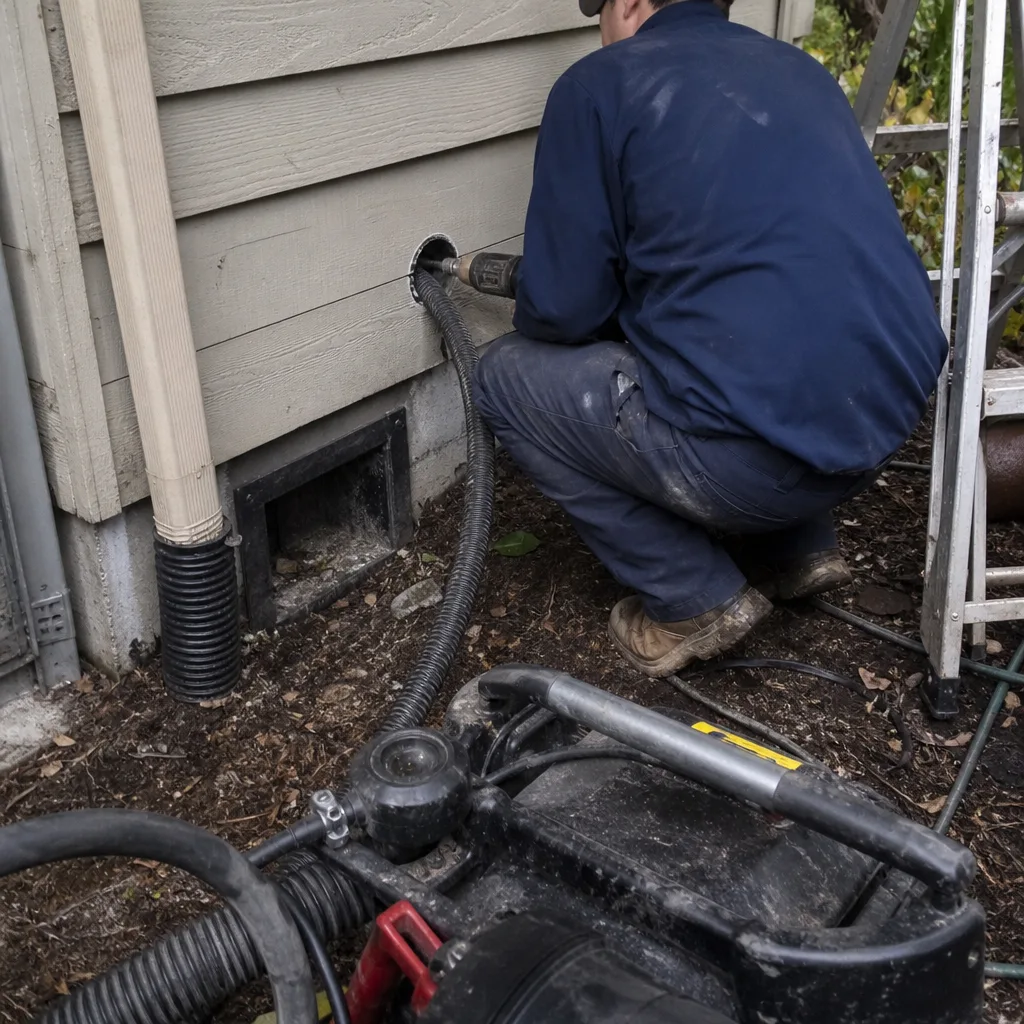 Before
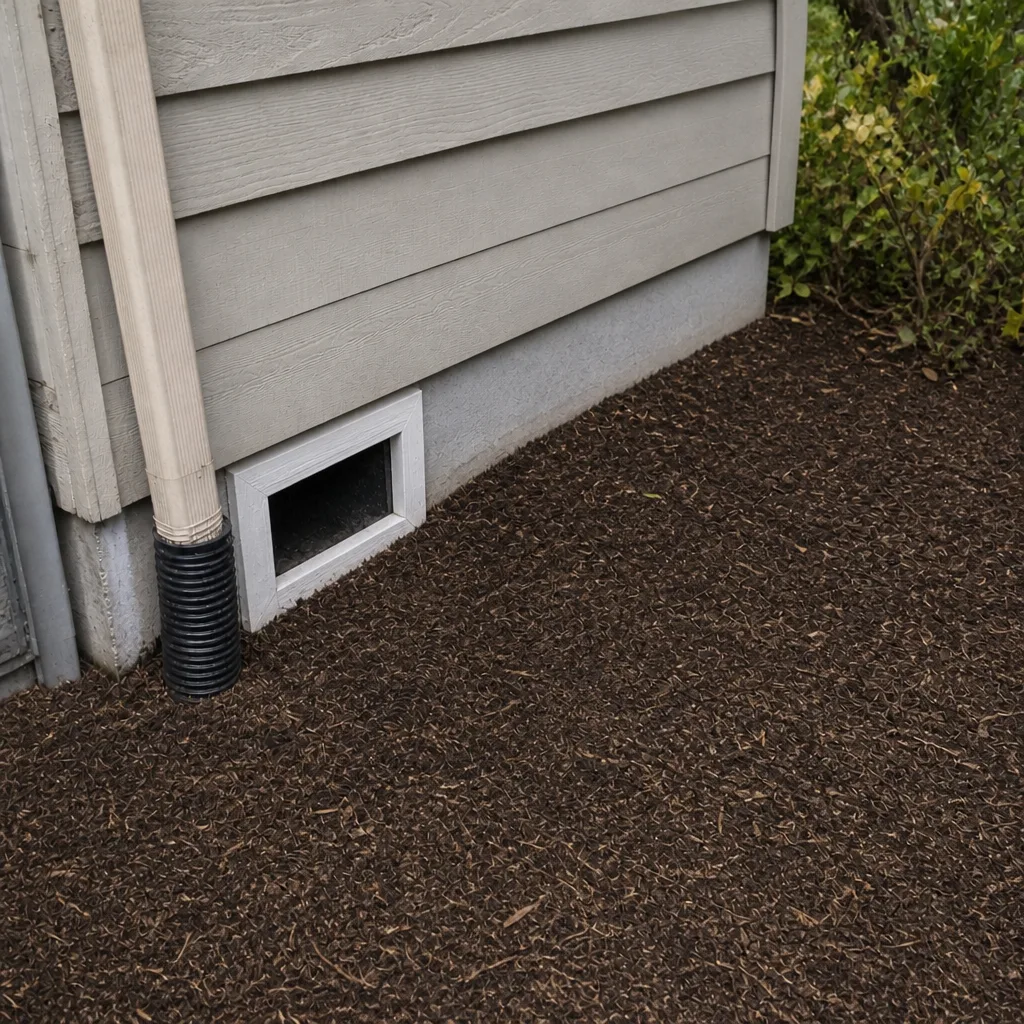 After
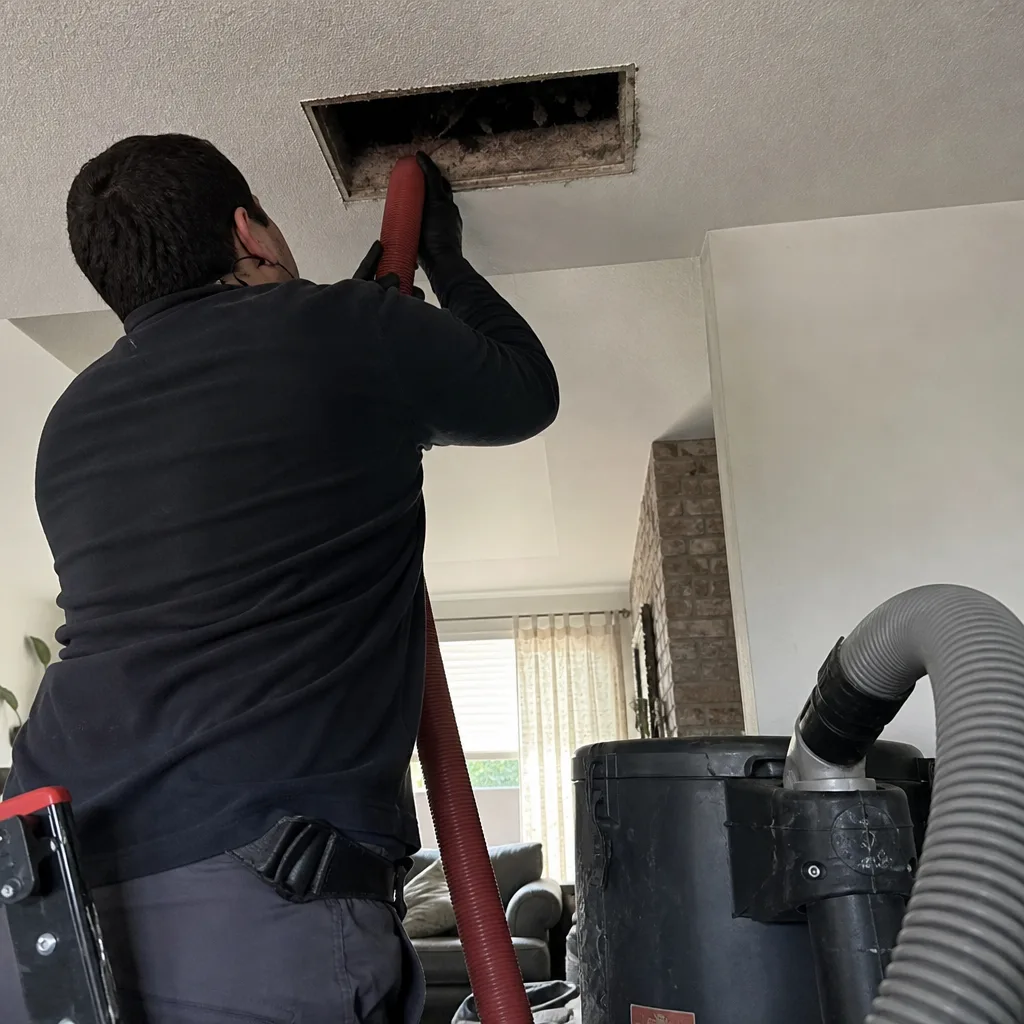 Before
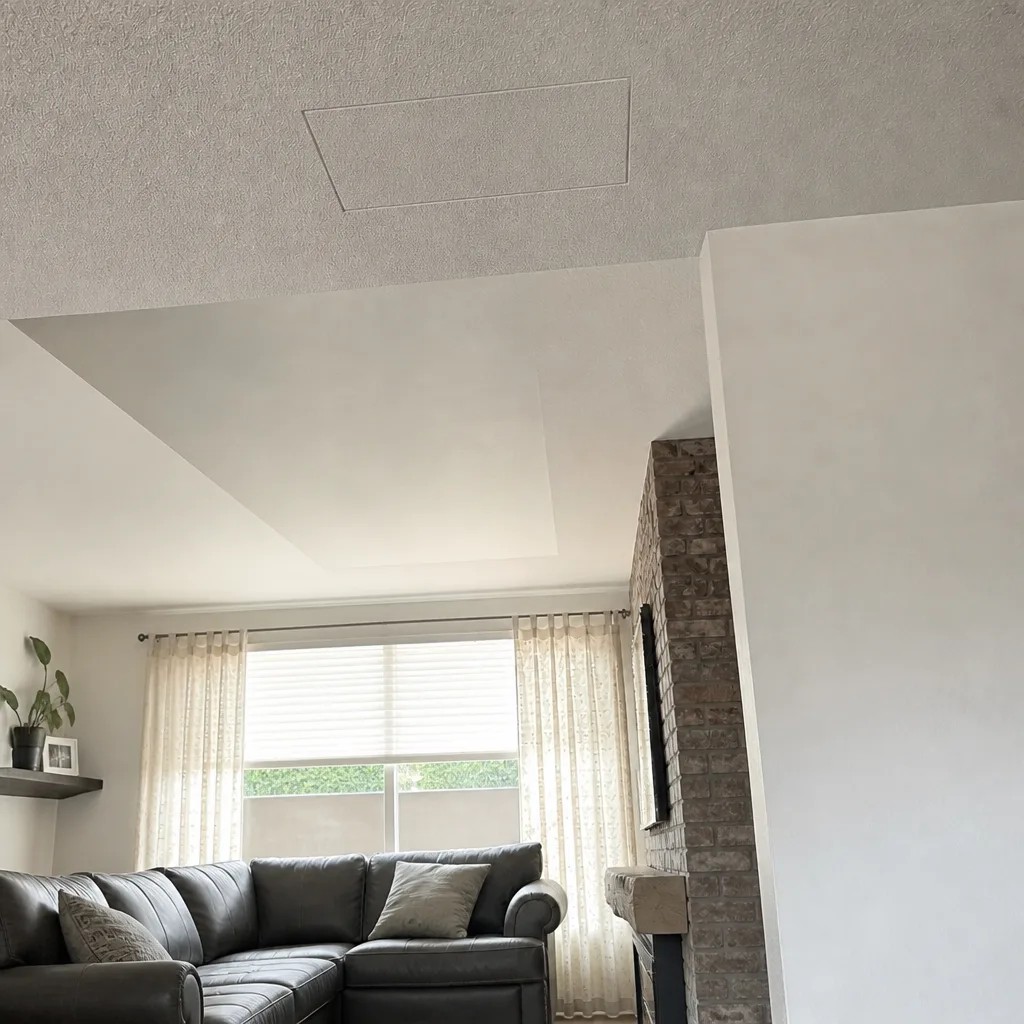 After
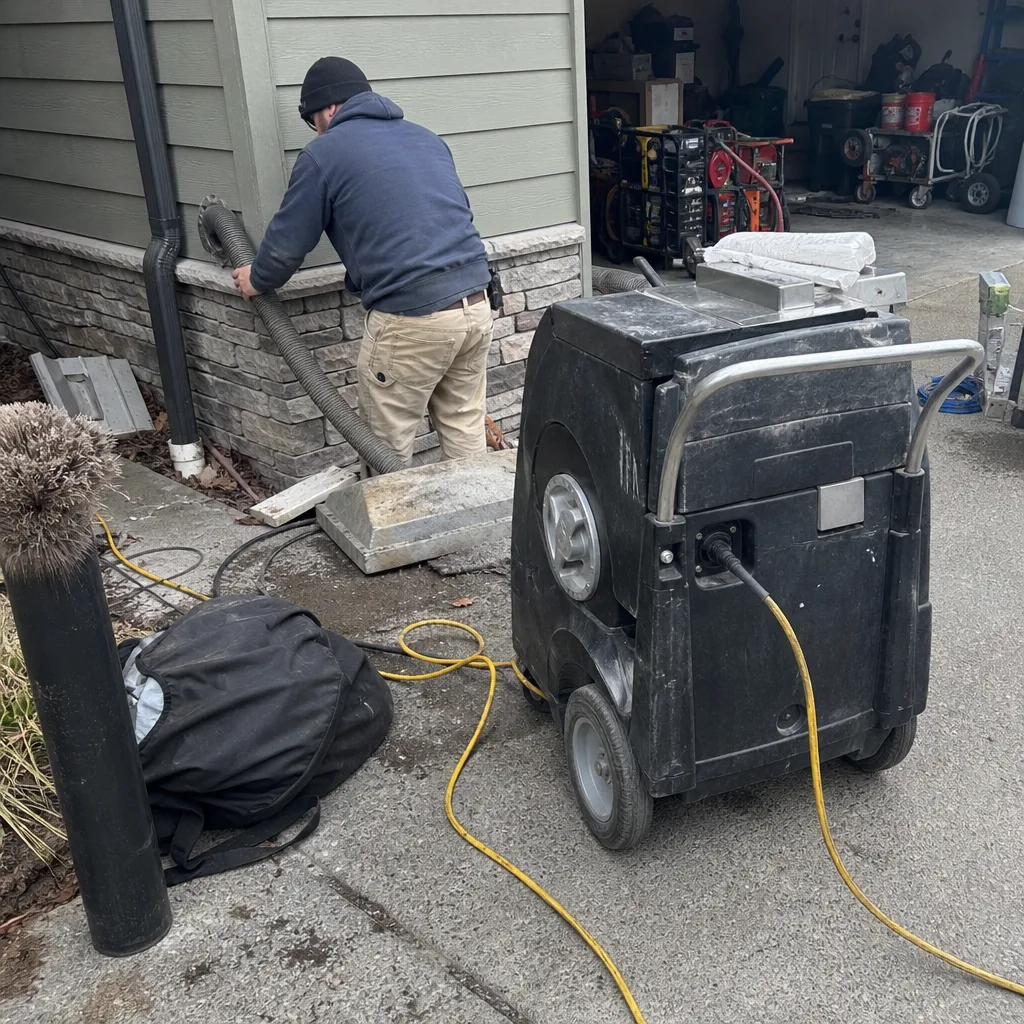 Before
 After
When to Call a Professional
Some duct work is routine and can wait for the seasonal window. Some needs a call the same week. Call for service when you notice a musty odor at any supply register, visible dust blowing out of a register on startup, weak airflow that’s developed over a season, condensation or darkened insulation on crawlspace ducts, or a dust film that returns faster than it used to after a cleaning. Also call if the dryer is taking longer to dry clothes or the vent flap isn’t opening fully, since that’s a fire-prevention issue. Air Duct Cleaning Bellevue Pros offers free estimates in Bellevue. Call (866) 937-8330. We answer 24/7. Fast dispatch from 7am to 7pm, Sunday through Friday.
Frequently Asked Questions
Late September through early October, just before the first heating startup, is the highest-value window in Bellevue. Cleaning before startup removes summer wildfire particulate before the furnace pushes it into the living space. A secondary window opens in early spring, before peak pollen, if winter moisture has produced odors. Call (866) 937-8330 for an exact quote. Estimates are free.
Once every 12 to 18 months is the typical cycle for a Bellevue home without special conditions. Homes with allergy sufferers, pets, recent renovation, or persistent wildfire smoke exposure often justify a shorter interval. The timing matters as much as the frequency, since a well-timed cleaning at the end of September does more than one in April. Call (866) 937-8330 to talk through your home’s situation.
The cheapest quotes are usually air-whip-only cleanings that loosen debris without removing it, or per-vent pricing that leaves most of the system untouched. Contact cleaning with rotary brush extraction costs more because it takes longer and uses different equipment, but the results hold through the heating season instead of a few weeks. Ask what equipment the provider actually runs before comparing price. Call (866) 937-8330 for an honest range.
Ask for before-and-after photos of your own ducts, not a stock gallery, and look for visible difference at the return side and blower compartment. The cleanest confirmation is a filter that stays cleaner longer and registers that blow stronger air after the service. If neither changed, the cleaning wasn’t complete. Call (866) 937-8330 to book a documented service.
Cleaning alone is enough in a dry duct system. In Bellevue’s wet climate, crawlspace ducts and unconditioned runs often need sanitizing after cleaning because winter moisture has driven mold growth. The sanitizing step addresses the biology, while the cleaning addresses the debris; both are needed when musty odors persist. Call (866) 937-8330 to check whether your home needs both.
You can, but the cleaning will not hold. Crawlspace ducts in Bellevue are the most common source of musty odors and the fastest route to re-contamination in the conditioned space above. Cleaning only the living-space side means the moisture problem upstream keeps feeding the system. Include the crawlspace runs in the service, or at least have them inspected first. Call (866) 937-8330 for an inspection and estimate.
The Bottom Line
Duct care in Bellevue works on a seasonal rhythm, not a single yearly cleaning. Late September before heating startup is the highest-ROI window, because that’s when the cleaning removes summer wildfire particulate before the furnace can distribute it. Winter is about damp crawlspace ducts and musty odors, which need sanitizing alongside the cleaning. Spring is a pollen-and-filter job. Summer is smoke readiness, with return-side sealing and a fresh filter in place before the smoke arrives. The right filter matters too, matched to the system’s static pressure rather than pushed to the highest MERV. Get the timing right, use contact extraction rather than air-whip only, and each cleaning does more work than it would on any other schedule. Call (866) 937-8330 for a free estimate. We answer 24/7. Fast dispatch from 7am to 7pm, Sunday through Friday, closed Saturday.
Written by the team at Air Duct Cleaning Bellevue Pros.