
Last updated November 23, 2026
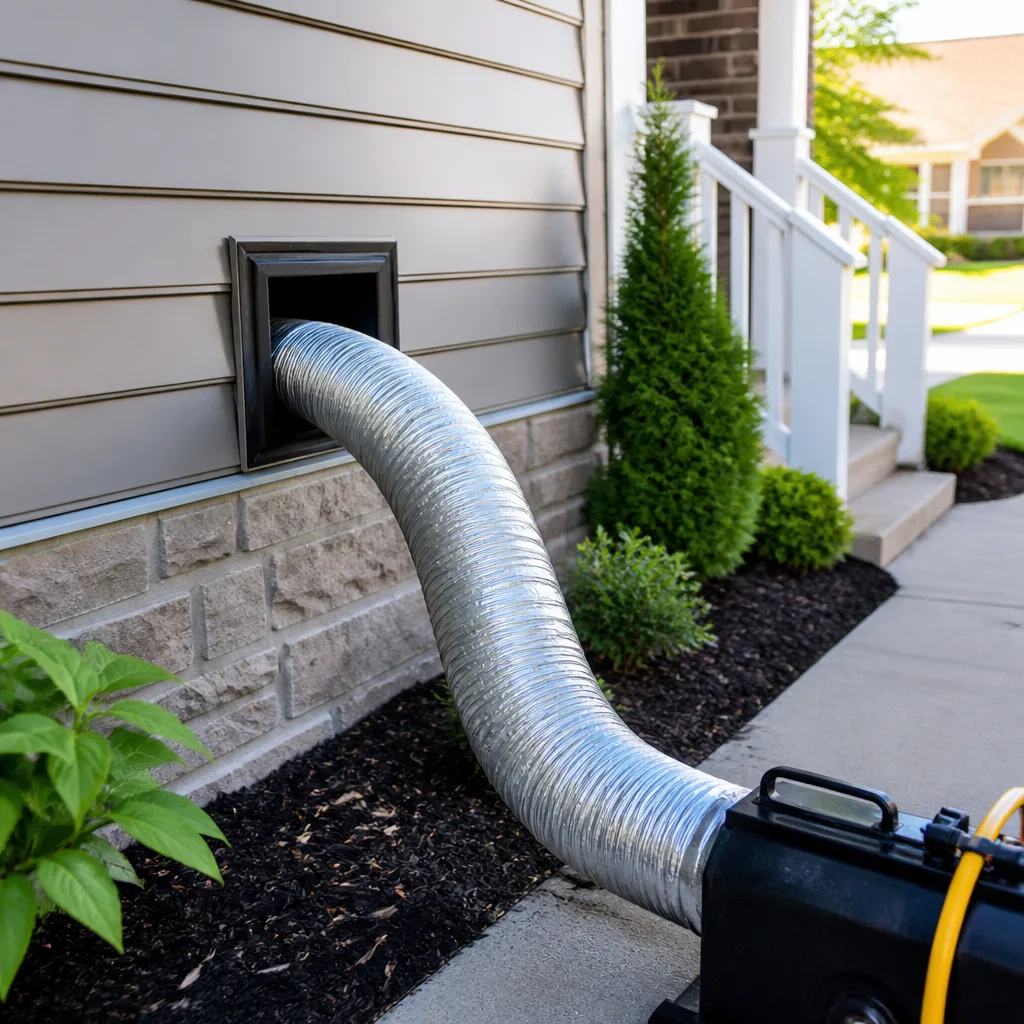 Whole-home duct cleaning
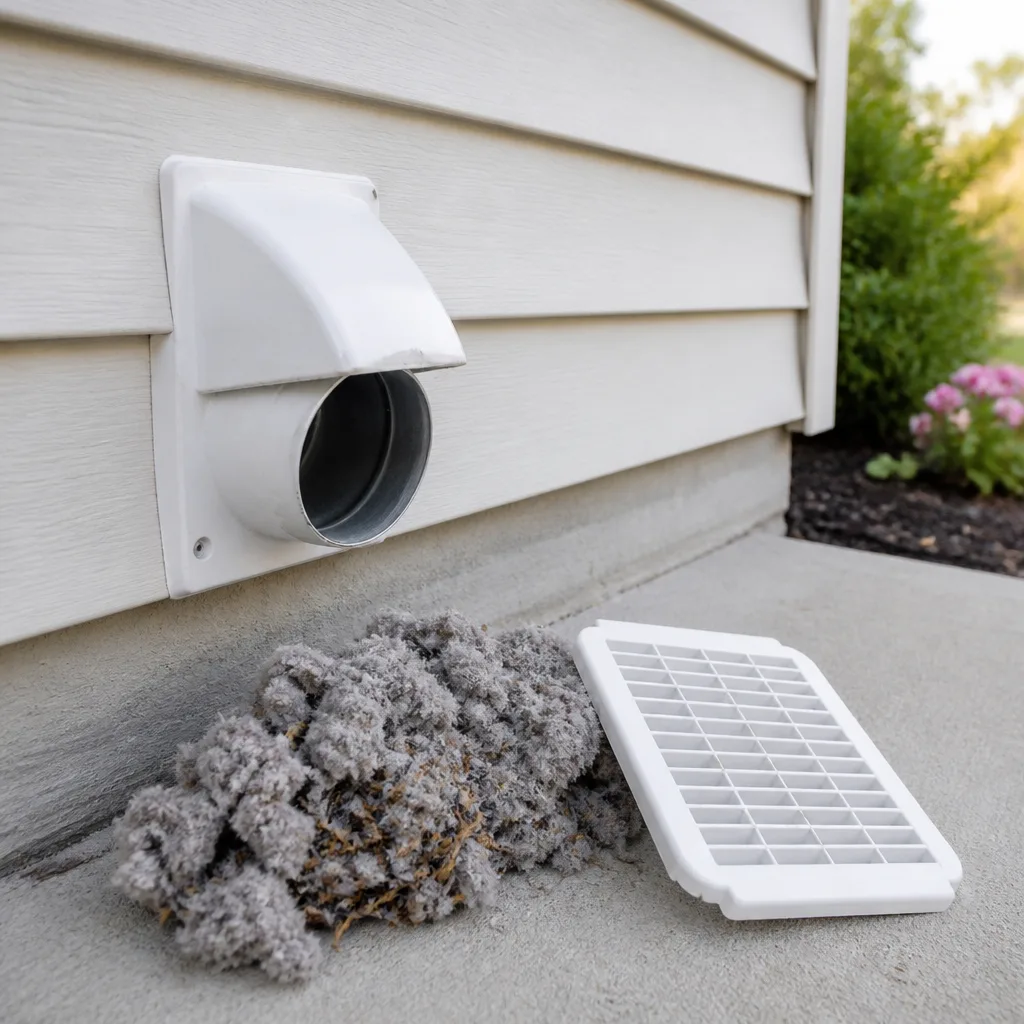 Dryer vent cleaning
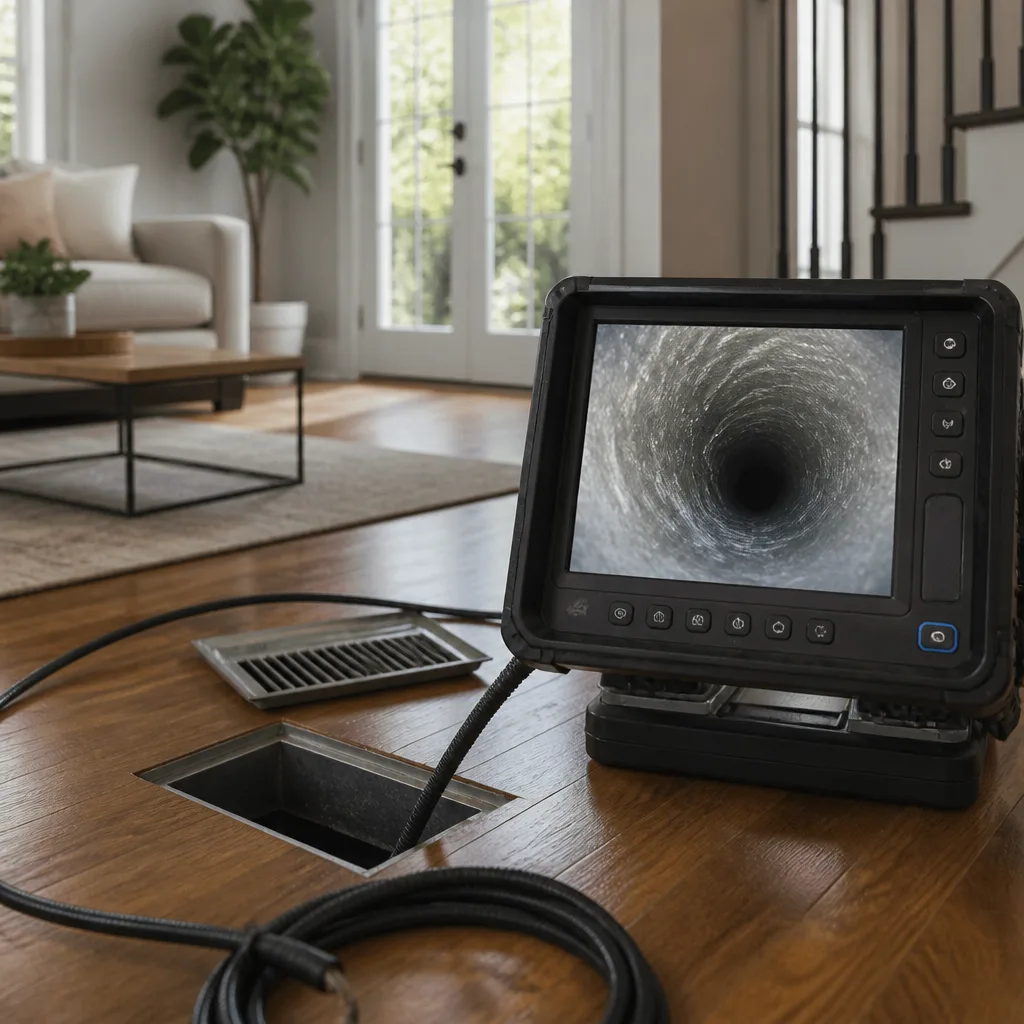 Camera inspection
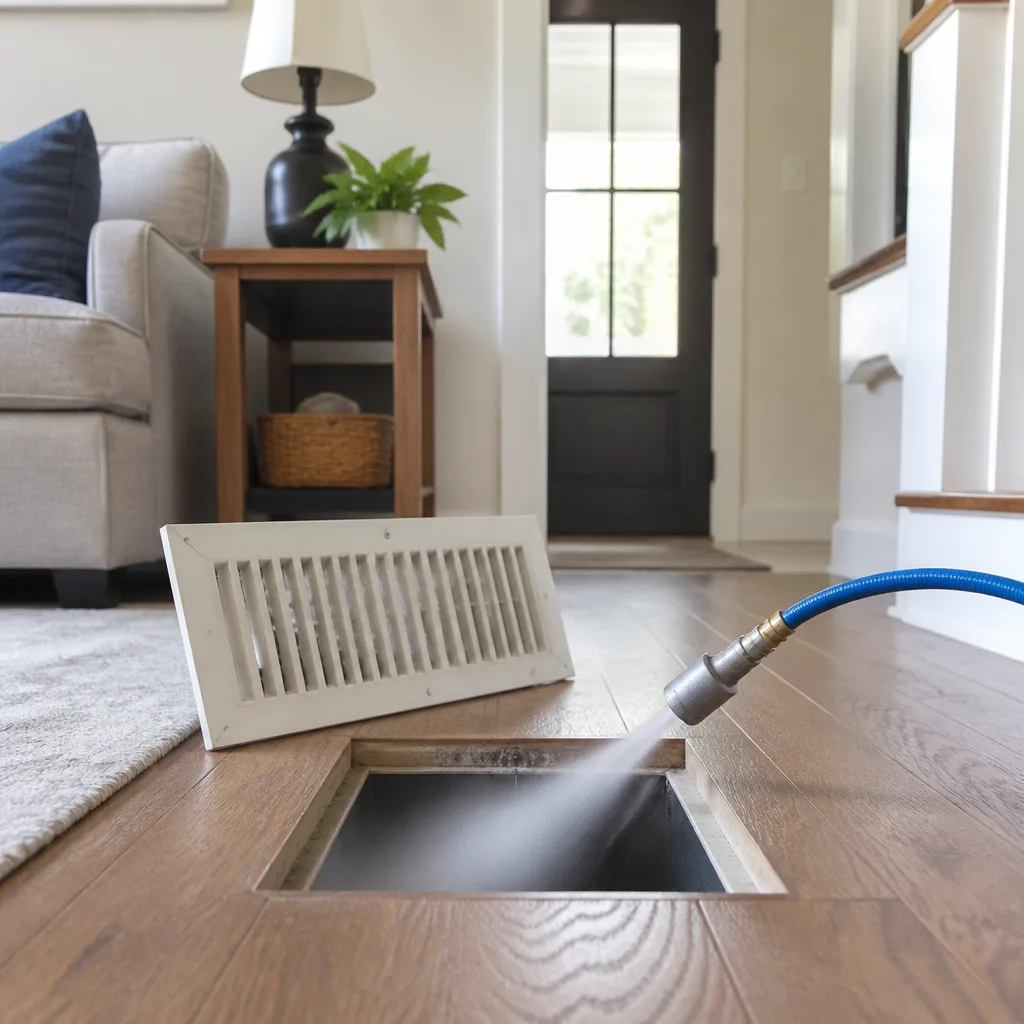 Sanitizing & deodorizing
Whole-system duct and dryer vent check with before-and-after photos - you see exactly what came out of your vents
That "$99 whole-house special" is a bait ad - the real number appears once they are in your hallway, or the "clean" is a shop-vac at the register. We photograph the inside of your ducts before and after instead.
How to Hire an Air Duct Cleaning Contractor in Bellevue: A Step-by-Step Guide
Most homeowners in Bellevue start their search for duct cleaning the same way: by collecting three quotes and picking the lowest one. That approach works for painting a fence. It fails here, because the job title “air duct cleaning contractor” covers a huge range of capability. Two companies can quote the same price and deliver completely different work. One brings a rotary brush extraction system and negative-pressure containment. The other brings a shop vac and a promise. The price tells you nothing about which one is standing in your hallway. What tells you is the equipment list, the pre-job inspection, and how the contractor answers five specific technical questions. This guide walks you through all of it, step by step, so you can vet one contractor thoroughly instead of gambling on three.
Quick Answer
To hire an air duct cleaning contractor in Bellevue, verify three things before you book: that the contractor can name the CFM rating of their vacuum unit and the brush head they’ll use on your duct material, that they perform a real pre-job inspection (access panels, static pressure check, system map), and that their written quote covers the whole system rather than per-vent pricing. NADCA certification is the floor, not the finish line. The equipment and process behind the certification are what you’re actually paying for.
Styles & brands we work with
- Whole-home duct cleaning
- Dryer vent cleaning
- Camera inspection
- Sanitizing & deodorizing
Table of Contents
- Why three quotes usually produce a worse outcome
- The five technical questions to ask before you book
- What a legitimate pre-job inspection looks like
- How to read a duct cleaning quote line by line
- Washington State licensing and how to verify it
- Equipment that separates specialists from generalists
- Bellevue home factors that change the job
- Full-scope work: cleaning, sealing, and filtration
Why Three Quotes Usually Produce a Worse Outcome in Bellevue
In most home service categories, three quotes give you a useful spread. You learn the market rate and you pick from the middle. Air duct cleaning doesn’t behave that way, and the reason is that the quotes aren’t measuring the same thing. One contractor quotes per vent. Another quotes per system. A third quotes a low number and plans to add line items once the equipment is in the driveway. You’re comparing three numbers that describe three different jobs, so the “lowest” quote is often the least work.
The market reality in Bellevue makes this worse. There’s steady demand here from newer construction in neighborhoods like West Bellevue and the Bridle Trails area, plus an older housing stock in Crossroads and Lake Hills where ductwork has had decades to accumulate. That demand attracts generalist HVAC companies who treat duct cleaning as a filler job between furnace replacements. Their equipment is often an air whip and a portable vac, because that’s the cost of entry. The price is low because the capability is low.
So the better strategy is this: pick one contractor carefully, vet them hard, and negotiate the scope with that one company. You want to spend your diligence on process verification rather than spreading it thin across three sales calls. A contractor who can answer the five questions in the next section is worth a deeper conversation. A contractor who can’t isn’t worth a second call, no matter what they quoted.
- Comparing per-vent quotes to per-system quotes is comparing nothing. Normalize to whole-system pricing first.
- Low quotes are more often a signal of missing equipment than a signal of efficiency.
- Generalist HVAC companies clean ducts as an add-on. Specialists clean ducts as a trade.
The Five Technical Questions to Ask Before You Book
These five questions take about ten minutes to ask and will separate a specialist from a generalist almost immediately. Write them down. A contractor who has done real duct work and understands their own equipment will answer them clearly. A contractor who hasn’t will reach for generalities or change the subject.
- What’s the CFM rating of your vacuum unit, and what pressure does it hold? CFM is airflow; the real number is negative pressure at the containment point. A serious setup holds enough pressure to keep dislodged debris suspended in the airstream and pulled out, not pushed into the living space. If the answer is “it’s a really strong vacuum,” move on.
- What brush head will you use on my duct material? Sheet metal ducts, flex duct, and fiberglass duct board each require different contact. A rigid nylon rotary brush that’s right for metal will damage flex liner. The contractor should ask what your ducts are made of before you ask them.
- How do you contain the work area? Negative-pressure containment means the machine pulls the room air into the vacuum rather than letting the ducts push air into the room. Ask what they use to seal off registers and access points during the job.
- Do you clean the air handler and blower, or just the branch runs? The AHU is where the dust settles and where the coil picks it back up. Cleaning branches without cleaning the unit is a partial job that looks finished.
- Will you show me before-and-after photos of my own system? Not stock photos, not a marketing folder. Your ducts, photographed at the access points. A contractor willing to document the work has usually done the work.
There’s a sixth question worth asking in Bellevue specifically: whether they sweep the return plenum and inside the furnace cabinet where the filter sits. In homes in Newport Hills and Somerset especially, return plenums that run through unconditioned space pick up condensation dust over the years. Cleaning the runs but not the plenum leaves the worst of it untouched. For a broader view of what a full air duct cleaning visit includes, our service page covers the scope in detail.
What a Legitimate Pre-Job Inspection Looks Like
A real inspection happens before any equipment is turned on and before you sign anything, and it takes the better part of an hour. If a contractor shows up, looks at one register, and starts writing an invoice, you’re watching a sales call, not an inspection.
Here’s what a proper inspection involves, and it should be a walkthrough, not a pitch:
- Access panel count. The contractor should identify every place they’ll cut or open to reach the main trunk, and count it out loud. Ductwork in Bellevue’s split-level and rambler homes is often tucked into crawlspaces and over framed soffits, so access is not automatic. Technicians should tell you where the panels will go and how they’ll reseal them.
- Static pressure check. A manometer reading across the system tells you whether your ducts are actually restrictive. High static pressure means the system is working harder than it should to move air, which shows up as uneven rooms and higher bills. This reading also tells the contractor whether the job includes diagnosing a restriction problem.
- System mapping. Which runs feed which rooms, how many branches, where the returns sit, whether there are bypasses or disconnected joints. A contractor who sketches this understands that a duct system is a connected network, not a list of registers to vacuum.
- Photo documentation before the work. The same access points the contractor will photograph at the end should be photographed at the start.
- A written report. Not a verbal estimate. You want the inspection findings, the proposed scope, and a firm price on paper.
If your inspection turns up loose joints, crumbling duct tape, or disconnected flex runs behind a soffit, that’s very often where the dust and the musty smell are actually coming from. Sealing is a separate but connected step we’ll cover below, and the inspection is the moment to decide whether your HVAC cleaning should include the air handler and coil on the same visit.
How to Read a Duct Cleaning Quote Line by Line
Read the quote for what it includes, not just what it costs. A whole-system quote should explicitly name every component being cleaned, and if a line is missing, ask whether it’s being done. Here’s what a legitimate quote looks like in its parts:
- Main trunk line and branch runs: should be listed as whole-system coverage, not as a per-vent count.
- Return plenums and return registers: missing from many low quotes, which matters because returns carry the most dust.
- Air handler unit, blower, and coil: should be named separately if included. If it’s not listed, it’s not being cleaned.
- Containment setup: legitimately part of the labor. A quote with no containment line usually means the machine is just a shop vac with a HEPA filter.
- Final photos and a walkthrough: should be in the scope, not a courtesy.
Now the red flags. Be wary when you see any of these:
- Per-vent pricing with no cap. “Nineteen dollars per vent” sounds cheap until the count comes in at thirty-four.
- Bait-and-switch line items. A low base price plus mandatory “sanitizer,” “mold treatment,” “enzyme,” or “fogging” add-ons that push the total far above the initial number. Sanitizing is a real service, but it should be discussed as a distinct scope with a reason attached. Our Air Duct Cleaning Bellevue Pros approach is one flat price per system agreed before work starts.
- Coupons that don’t survive the inspection. A coupon that requires an upgrade to redeem is a coupon that wasn’t a price.
- “Whole system” with no itemization. The vague version of “whole system” is often just the branches. Ask for the components in writing.
- No written estimate. Verbal pricing is not a quote. If it isn’t on paper, it isn’t binding.
One Bellevue-specific note: in homes built through the 1990s and early 2000s, duct tape (the original foil-backed kind) is often failing at joints in the crawlspace and soffit runs. A quote that excludes sealing from the start is often the quote that will come back with a recommendation to seal after the inspection, at extra cost. Ask upfront whether sealing is priced in or optional.
Washington State Licensing and How to Verify It
Air duct cleaning in Washington falls into an adjacent category rather than a single trade license, so there’s no one credential that says “duct cleaning.” What you can and should verify is general contractor registration through the Washington State Department of Labor & Industries, which you can look up on the L&I website by business name or registration number. Any company doing HVAC-adjacent work on residential properties in Bellevue should also carry liability insurance and workers’ compensation coverage; L&I’s lookup tells you if their workers’ comp is active.
Separately, ask whether the contractor holds NADCA (National Air Duct Cleaners Association) certification. It’s a real credential with a real assessment behind it, and it’s the sensible minimum. But here’s the honest read: NADCA certifies knowledge and membership, not the specific equipment in the truck. A certified contractor can still show up with an inadequate vacuum. That’s why the five questions matter more than the certificate. The certificate opens the door; the equipment and inspection process decide whether the work is worth paying for.
Two more verification steps that take five minutes apiece:
- Call the insurer named on their certificate of insurance and confirm active coverage for the work type and date.
- Ask for the L&I registration number and check that it’s active and in the contractor’s business name, not a subcontractor’s.
You’re not looking for a perfect paper trail. You’re looking for a contractor who can produce the paperwork without hesitation. In this trade, the one who fumbles the COI is usually the one who fumbles the containment.
Equipment That Separates Specialists From Generalists
Ask what machines are coming to your house. Then ask what each one does. The answers tell you whether you’re hiring a process or a person with a cord. Three pieces of equipment show up in serious residential duct work, and most generalists carry none of them.
Rotary brush extraction. A rotating brush head driven through the duct makes physical contact with the interior surface, loosening dust that an air whip alone leaves behind. Compare that to air-whip methods, which blow compressed air to agitate debris without scraping the duct wall. Contact cleaning is the difference between sweeping a floor and pointing a fan at it. Rotobrush is the platform we run for this, because it lets the brush be matched to the duct material.
Negative-pressure containment. The vacuum unit pulls air out of the duct system faster than the cleaning tools push debris loose, so everything dislodged goes into the machine rather than into your rooms. Nikro systems give us professional-grade negative-pressure setups that let us create proper containment at the access points. This is where a lot of low quotes fall apart: without real containment, the “cleaning” just redistributes dust through the house.
Air filtration and containment equipment. Abatement Technologies gear – the same equipment used in commercial remediation – lets us run HEPA filtration and maintain clean containment zones on residential jobs. In the Pacific Northwest, where the outside air is often damp and the indoor air stays sealed up through wet months, containment keeps the work from turning the house into a dust event. For contrast, look at what a typical big-box air whip setup includes, which is usually neither containment nor filtration at a professional grade.
When you ask the five questions, listen for these three terms. A contractor using professional-grade equipment, residential pricing will name them without prompting.
Bellevue Home Factors That Change the Job
Duct cleaning isn’t a one-size job here, and the reasons are specific to how Bellevue homes are built and where they sit.
Bellevue’s climate is wet and grey for much of the year, and that shapes what ends up in the ducts. During the wet season, indoor humidity stays higher, and any minor condensation at poorly sealed joints becomes a place dust sticks and stays. That’s why sealing matters as much as cleaning in this market. A duct system that gets cleaned but not sealed will pick up the same dust faster than one that was sealed. Sealing loose joints in the crawlspace and the framed soffits is often the single biggest improvement to air quality after cleaning.
Housing stock matters too. The older neighborhoods – Crossroads, Lake Hills, the older sections of Redmond border properties – have decades of accumulated dust and older flex duct in a lot of cases. The newer construction in Bridle Trails, Newport, and Somerset often has larger, more complex duct systems with more branching and more access points. That means more panel cuts to do correctly, and more need for a contractor who maps the system before starting.
Another Bellevue-specific factor: many homes here have finished basements or converted spaces, and duct runs that served an original floor plan may run through soffits that have since been closed in. Access is not automatic. That’s why the access panel count matters in the inspection. The contractor who tells you how many panels they’ll cut and how they’ll reseal them is the one who’s planned the job. The one who says “we’ll figure it out” hasn’t.
Finally, the HVAC equipment matters. Homes with Honeywell or Aprilaire filtration and humidification components installed need the cleaning contractor to work around those components, not through them. We use Guardsman-line products at those finishing points where protection is part of the job. A generalist contractor may not even recognize the components.
Full-Scope Work: Cleaning, Sealing, and Filtration in One Visit
The most expensive duct cleaning is the one that doesn’t solve the problem. Cleaning alone removes what’s there, but if the joints leak and the filtration is undersized, the ducts refill and the air quality complaint comes back. The better approach is to address the root causes during the same visit.
That means three things happen in sequence rather than in separate sales calls:
- Clean the full system under negative-pressure containment, with brush extraction on the duct material.
- Seal and repair the joints and runs where the inspection found leakage or disconnection.
- Sanitize and upgrade filtration where it’s warranted, and recommend Honeywell or Aprilaire components that fit the existing system.
This sequence matters because each step depends on the one before it. You can’t seal a duct you haven’t cleaned, and you can’t judge filtration needs until you’ve seen the full system under negative pressure. A contractor who quotes all three separately in one visit without inspecting first is guessing. A contractor who inspects, recommends, and prices as a single per-system scope is doing the trade correctly.
Don’t skip the dryer vent while the equipment is set up. Dryer vent cleaning is a fire-prevention service that duct-only contractors usually don’t offer, and it’s the one part of a home’s air system most often overlooked. If you’ve noticed slower drying or the vent flapper not opening fully, that’s a five-minute add to the same visit. We handle dryer vent cleaning as part of the full-scope work precisely because it’s the same equipment and the same visit.
Common Mistakes to Avoid
- Choosing the lowest quote without normalizing the scope. A per-vent quote and a per-system quote aren’t comparable. Rewrite the low quote as a whole-system line and see what the number actually is. In Bellevue’s market, the difference is usually the equipment, not the labor.
- Accepting “NADCA certified” as a complete answer. It’s the floor, not the ceiling. Ask what vacuum unit and brush head they’re bringing, and if the answer is vague, the certification didn’t buy you much.
- Booking a job with no pre-job inspection. If the contractor doesn’t inspect, map, and pressure-test first, they’re going to clean the wrong thing or miss the return plenum. The inspection is part of the job, not a free upsell.
- Letting the contractor skip the air handler. Branch runs are half the job. The AHU, blower, and coil are where the dust settles and recirculates. “We just do the ducts” is a partial scope.
- Ignoring sealing. Cleaning an unsealed duct system in this climate is a temporary fix. The dust comes back faster, and so does the musty smell in the crawlspace runs.
- Trusting a coupon price without asking what triggers the upgrade. The low posted price is often a lead-in to a mandatory sanitizer or “mold treatment” line item. Ask what the final per-system scope total is before the technician arrives.
- Not asking for photos of your own system. Before-and-after photos at the access points are the simplest way to verify the work was done at the scope you paid for. If a contractor won’t provide them, ask why.
See the difference
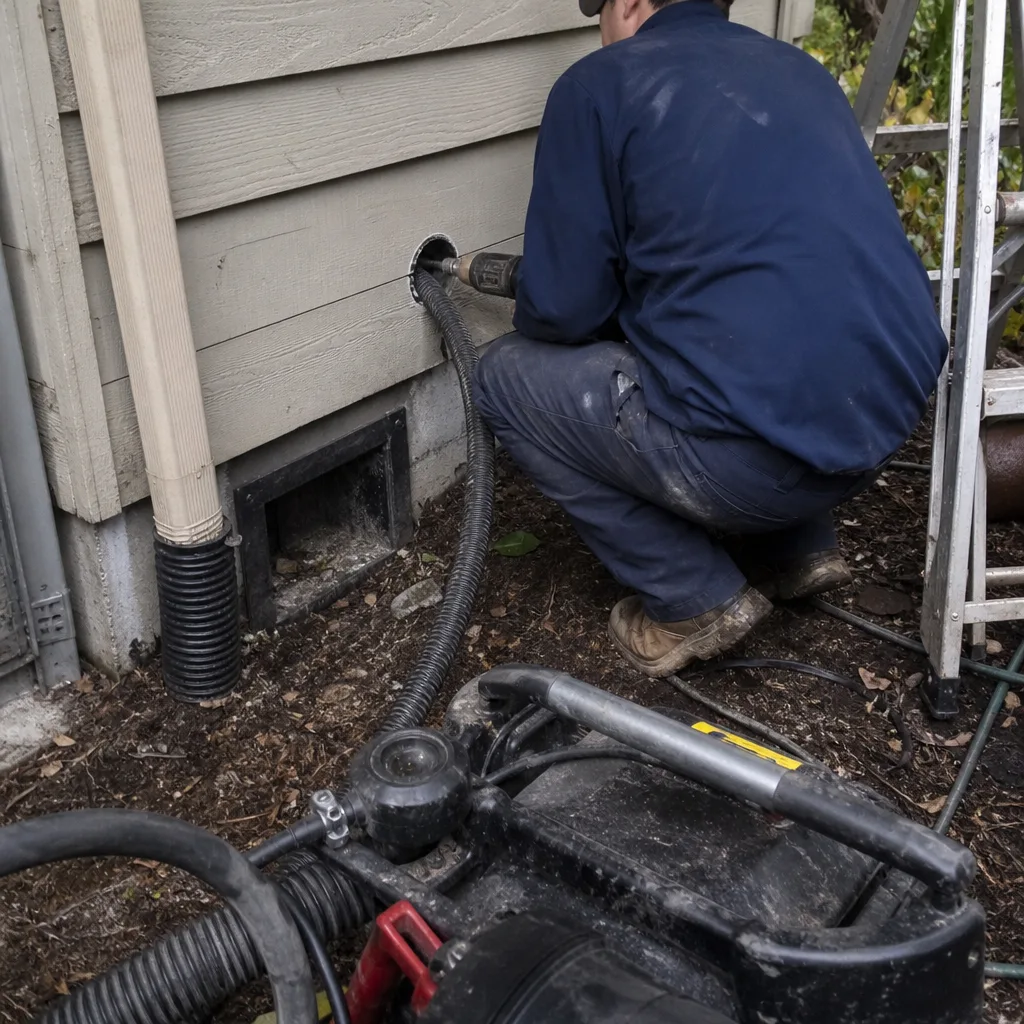 Before
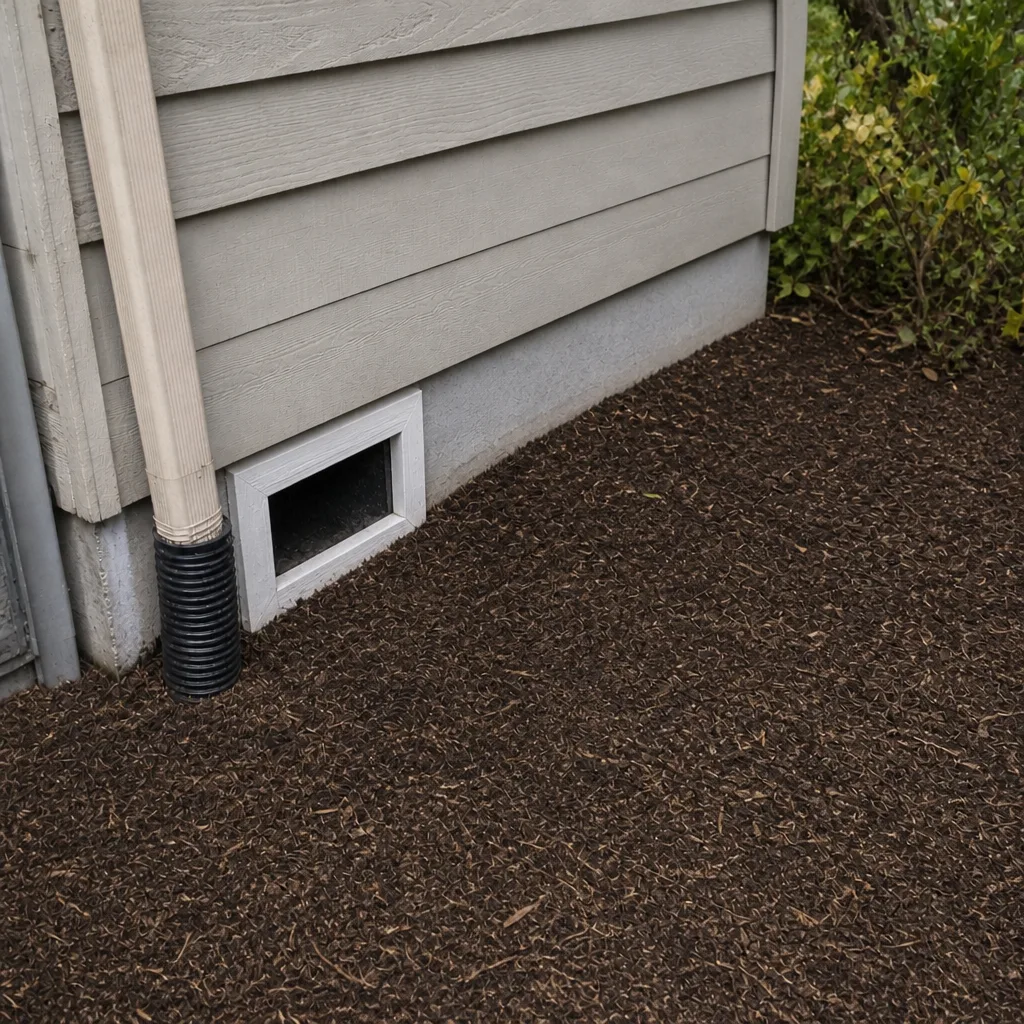 After
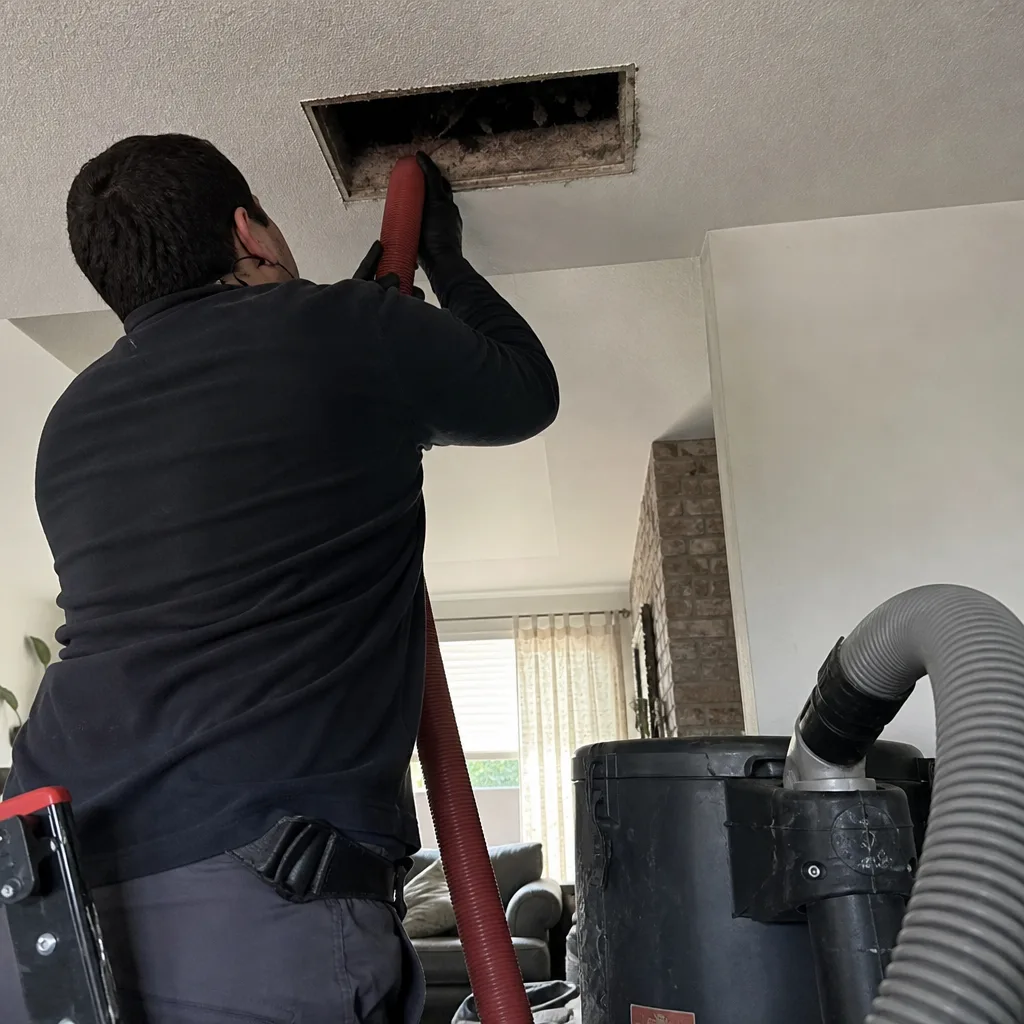 Before
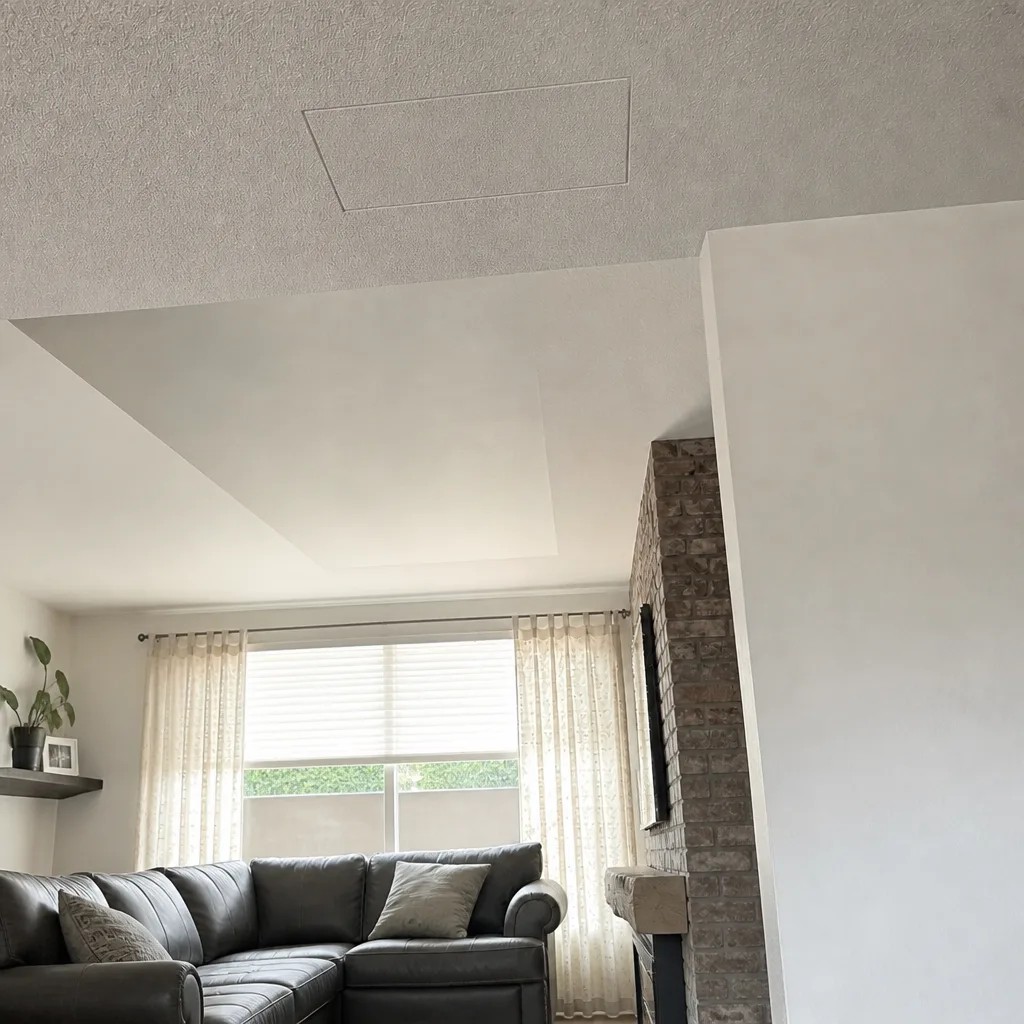 After
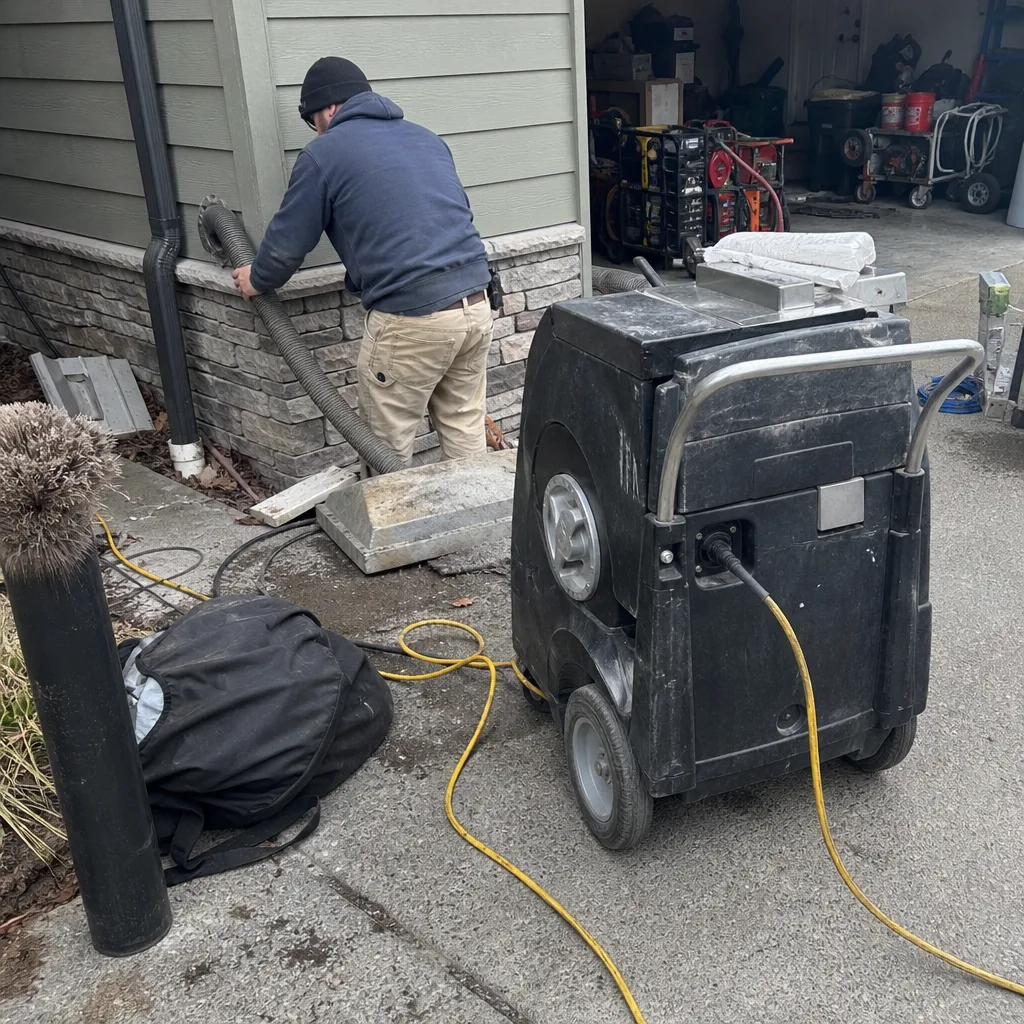 Before
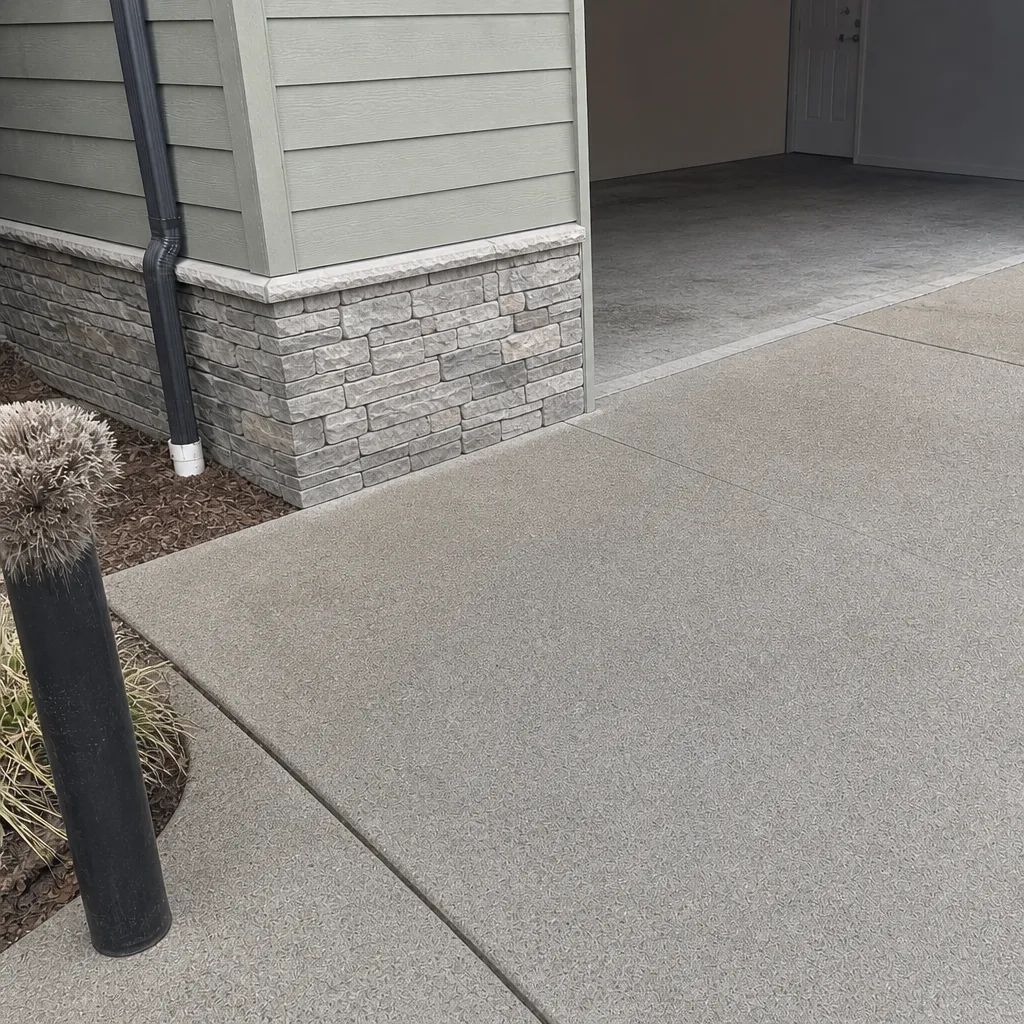 After
When to Call a Professional
Most duct systems don’t need cleaning on a strict schedule, but a few situations call for a same-day call. If you’ve just finished a renovation or drywall project, the fine dust that settled into every accessible surface is also in every duct run, and it needs professional extraction under containment rather than a weekend of running the furnace fan. If you’re seeing visible dust plumes from registers when the system kicks on, that’s a sign the system is pushing debris back into the living space. If you notice a musty smell that gets stronger when the heat or AC runs, that’s a moisture issue that needs inspection, not just cleaning. And if anyone in the house has allergy symptoms that seem to get worse indoors, the ducts are one of the first places to check.
Air Duct Cleaning Bellevue Pros offers free estimates in Bellevue. Call (866) 937-8330. We answer 24/7. Fast dispatch from 7am to 7pm, Sunday through Friday. We’ll inspect the system, map it, pressure-test it, and put the whole-system scope on paper before work starts.
Frequently Asked Questions
Whole-system air duct cleaning in Bellevue usually runs in the range of several hundred to low four figures for a typical single-family home, with the final number set by the written estimate after inspection. The spread is wide because duct systems are not comparable: number of runs, access panel count, whether the air handler is included, and whether sealing or sanitizing is part of the scope all change the price. We don’t quote per vent, and we don’t run a teaser coupon that turns into a bigger invoice once the gear is in the driveway. One flat price per system, agreed before work starts. Call (866) 937-8330 for an exact quote – estimates are free.
Cheap quotes are usually cheap because they’re missing equipment, not because the contractor is efficient. A shop-vac and an air whip cost a fraction of a rotary brush extraction system with negative-pressure containment, and the results show it: air-whip-only cleaning agitates dust without scraping the duct wall, and without real containment the dust goes back into the rooms. The Bellevue market has plenty of generalist HVAC companies offering duct cleaning as an add-on with light equipment. Ask what vacuum unit, brush head, and containment equipment they’re bringing, and the price difference usually explains itself. Call (866) 937-8330 to compare scopes with our team – estimates are free.
Before-and-after photos at the access points of your own system, plus a walkthrough at the end. We photograph the same locations before the machine starts and after the cleaning and sealing are complete. If a contractor doesn’t volunteer photos, ask for them. A real cleaning leaves visual evidence: the duct surfaces look different, the return grille looks different, and the access panels reseal cleanly because they were planned in the inspection. Call (866) 937-8330 – estimates are free, and we’ll walk you through the scope before we start.
There’s no fixed interval that fits every home. A general check every few years is reasonable for most houses, and cleaning is triggered by what the inspection finds: visible buildup, musty odors, a recent renovation, or a system that’s been running with poor filtration. In Bellevue’s wet climate, homes with unsealed ductwork in crawlspaces and soffits can accumulate dust faster than sealed systems, which is why sealing often extends the interval. A pre-job inspection tells you whether your ducts need cleaning now, or whether they mainly need sealing and better filtration. Call (866) 937-8330 for a free estimate and inspection.
For households where the ducts are holding a lot of settled dust and the return system is recirculating it, cleaning under proper containment can reduce the volume of airborne particulates. The key qualifier is containment: without negative pressure, the cleaning process itself can temporarily raise dust levels rather than lower them. Cleaning should be paired with sealing to keep the ducts from refilling quickly, and with an appropriately sized filter (Honeywell and Aprilaire components are what we integrate where it fits). This is a process, not a one-time reset. Call (866) 937-8330 to talk through your system – estimates are free.
Yes, but the job is different and the contractor should treat it that way. Older Bellevue homes in Crossroads, Lake Hills, and the older sections of the Eastside often have flex duct in crawlspaces, framed soffit runs, and duct tape joints that have started to fail. That means more access panel planning, more attention to the brush head and duct material, and almost always a sealing recommendation after the cleaning. A contractor who maps the system during inspection is set up for that. A contractor who quotes without inspecting isn’t. Call (866) 937-8330 to book an inspection – it’s free.
The Bottom Line
Hiring an air duct cleaning contractor in Bellevue is an equipment and process question, not a price question. Verify that the contractor can name their vacuum unit’s CFM rating, the brush head that matches your duct material, and their containment setup. Insist on a real pre-job inspection: access panel count, static pressure check, and a system map. Read the quote line by line and make sure the air handler, return plenums, and sealing discussion are in it, not added later. Confirm the L&I registration and insurance as a baseline, and treat NADCA certification as the floor. Then commit to one contractor and negotiate the scope, rather than comparing three quotes for three different jobs. That’s the sequence that gets you measurable air quality results in this climate, in this housing stock, without surprises on the invoice.
Contact
If you’ve got a Bellevue home and you’re ready to stop guessing about your ducts, call (866) 937-8330 for a free estimate. We answer 24/7. Fast dispatch from 7am to 7pm, Sunday through Friday. We’ll inspect the full system, walk you through the scope, and put one flat price per system in writing before any equipment comes out of the vehicle.
Written by the team at Air Duct Cleaning Bellevue Pros.