
Last updated November 23, 2026
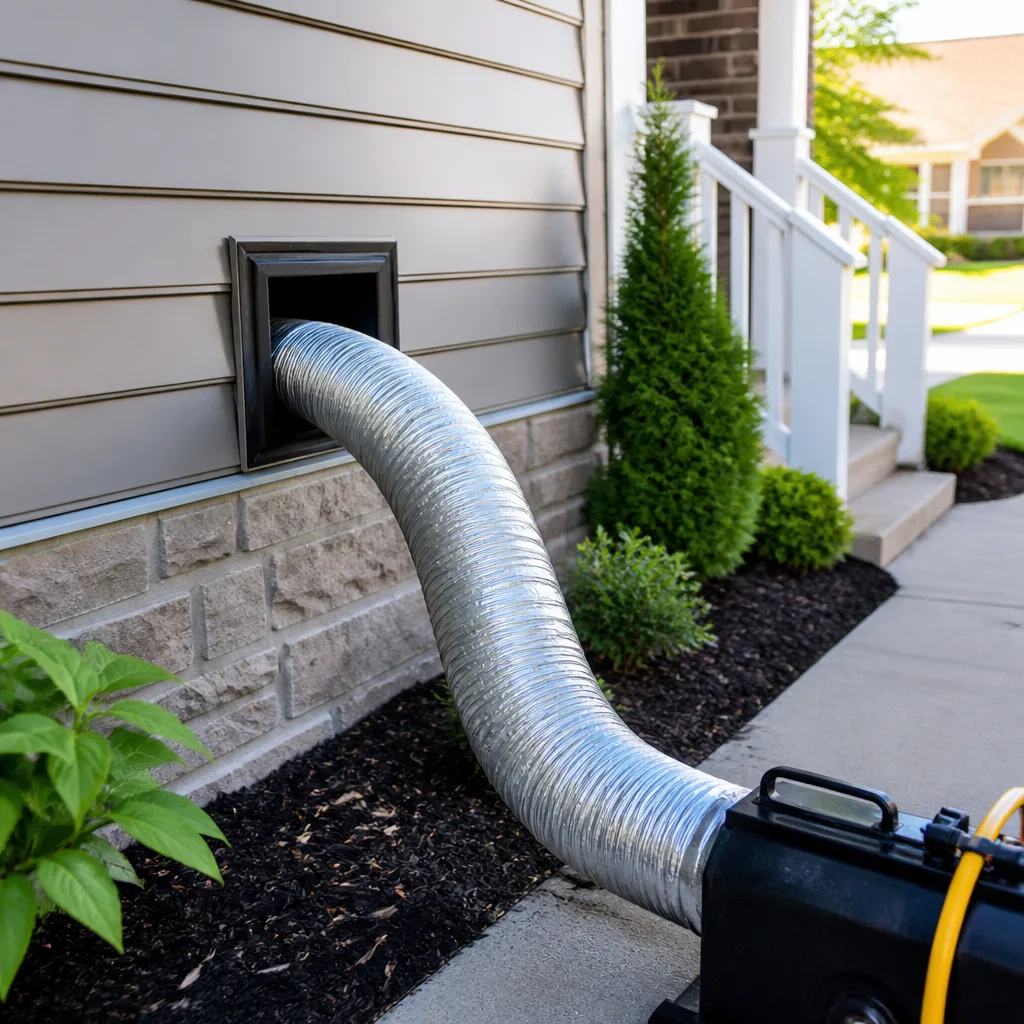 Whole-home duct cleaning
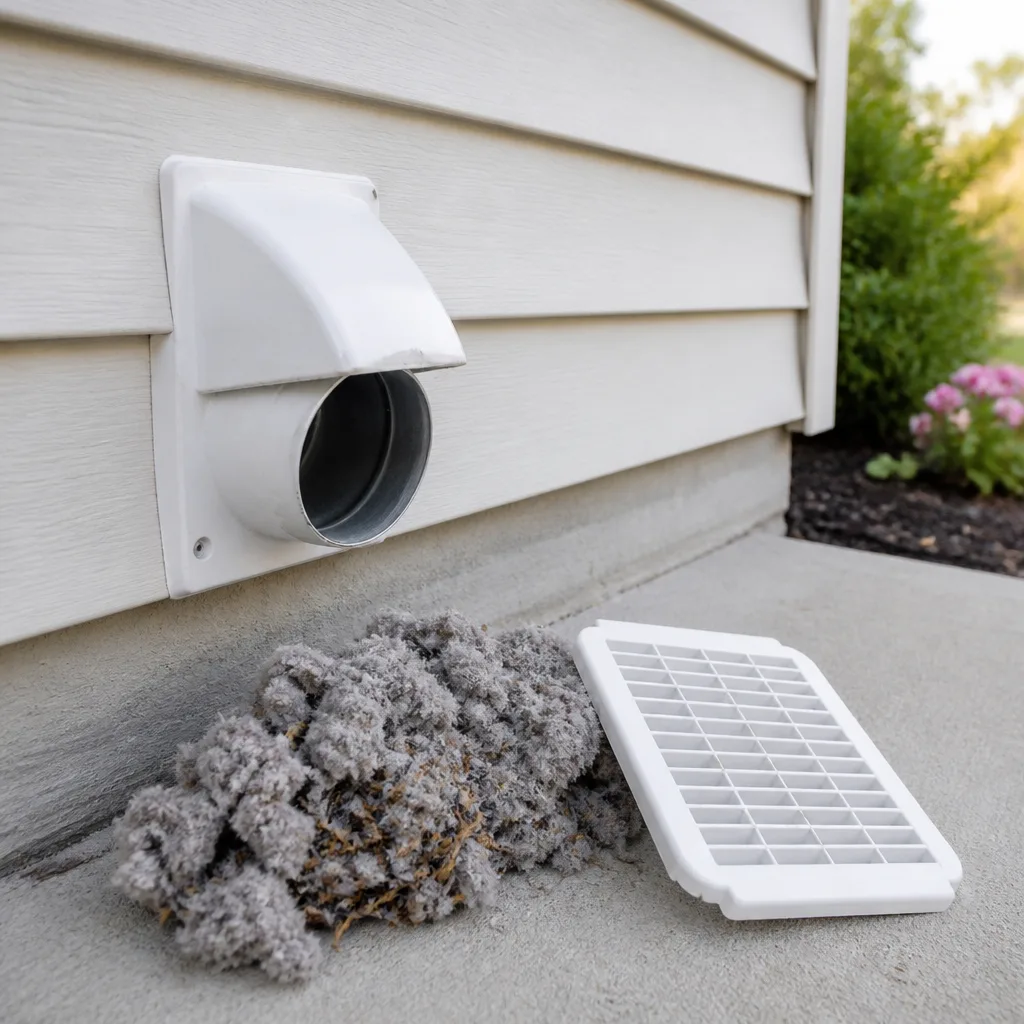 Dryer vent cleaning
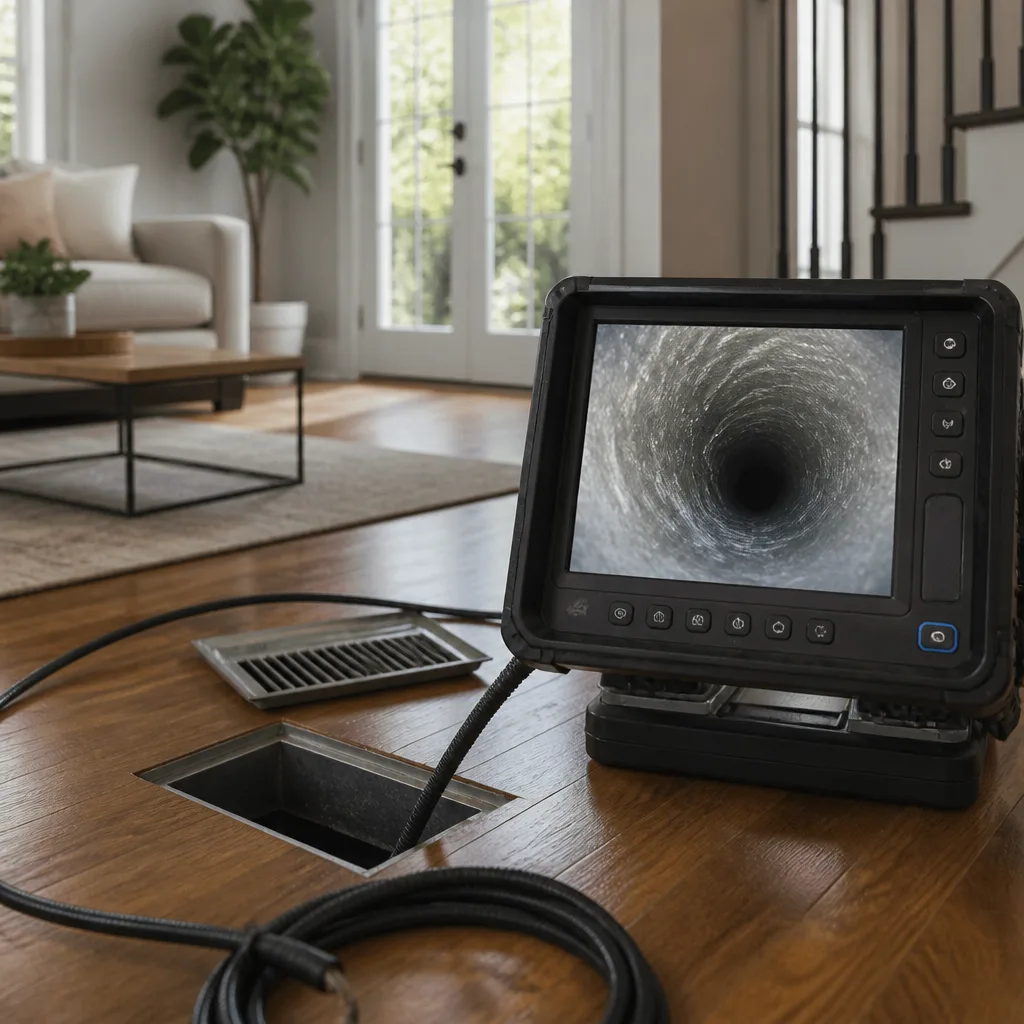 Camera inspection
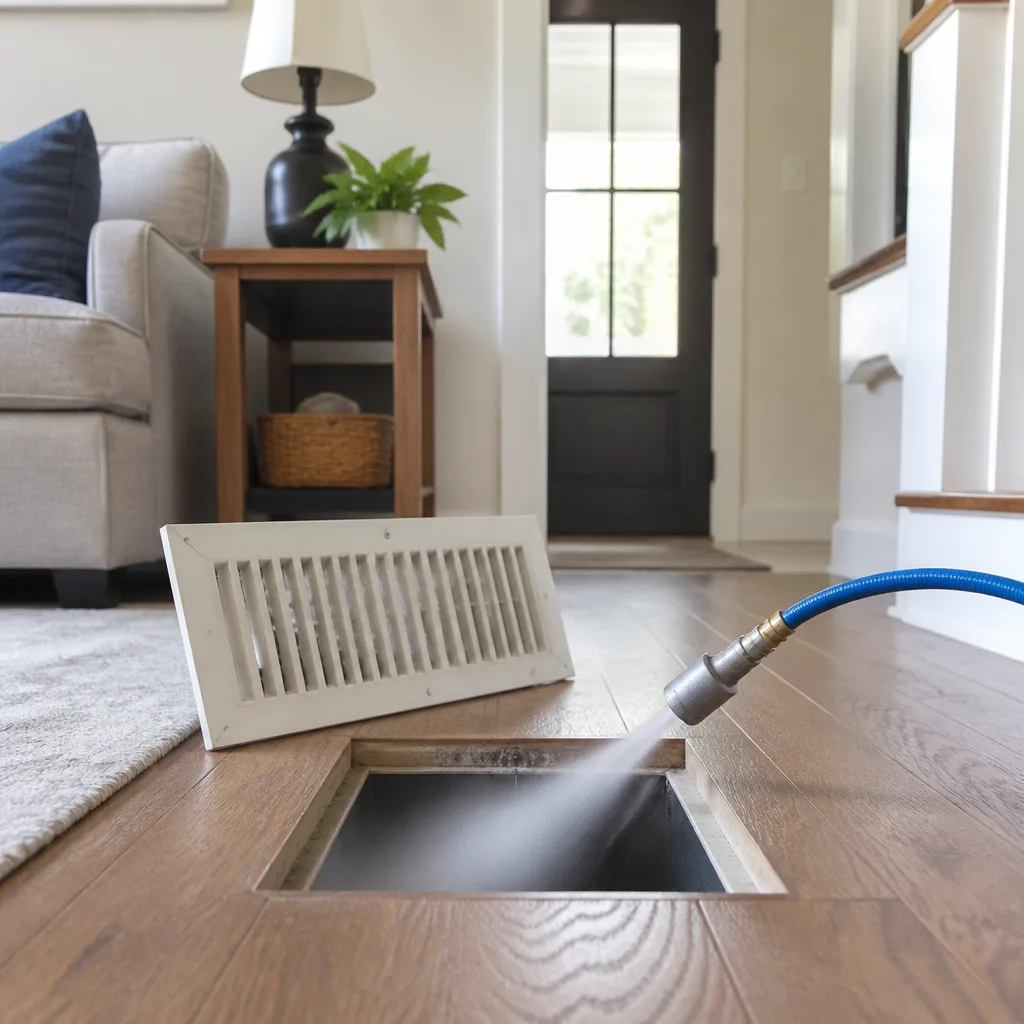 Sanitizing & deodorizing
Whole-system duct and dryer vent check with before-and-after photos - you see exactly what came out of your vents
That "$99 whole-house special" is a bait ad - the real number appears once they are in your hallway, or the "clean" is a shop-vac at the register. We photograph the inside of your ducts before and after instead.
The Complete Guide to Air Duct Cleaning in Bellevue
Most Bellevue homeowners don’t fail at duct cleaning by skipping it. They fail by hiring the wrong process for their specific duct system. A flex duct run in a newer Redmond-adjacent build and a sheet-metal trunk-and-branch system in a 1960s home need different tools, different pressure settings, and different inspection steps, yet most companies quote both jobs the same way: one flat price, one method, one visit. That single-method approach is where the money and the results go sideways. This guide maps cleaning methods to system configurations, explains what contractor-grade equipment actually does to duct surfaces, and shows you how to evaluate the work before it starts. It’s written for Bellevue homeowners and property managers who want documented results rather than a rushed visit.
Quick Answer
Air duct cleaning in Bellevue is not a single procedure. It’s a matched process: contact vacuuming with rotary brush extraction for the duct material in front of you, negative-pressure containment to capture what gets dislodged, and a full-scope clean of every connected component so the work holds. If a company can’t tell you which method they’ll use on your specific system, and why, that’s your first red flag.
Styles & brands we work with
- Whole-home duct cleaning
- Dryer vent cleaning
- Camera inspection
- Sanitizing & deodorizing
Table of Contents
- Why Bellevue Duct Systems Need Specific Attention
- The Three Cleaning Methods and When Each One Fits
- What Contractor-Grade Equipment Actually Does
- The Five Components That Must Be Cleaned as a Unit
- How to Verify the Method Before Work Starts
- Red Flags Specific to Bellevue’s Building Stock
- What Duct Cleaning Costs in Bellevue
- How Often Ducts Really Need Cleaning
Why Bellevue Duct Systems Need Specific Attention
Bellevue’s climate does specific things to duct interiors that homeowners in drier regions never deal with. The damp months push indoor relative humidity high enough that dust, pollen, and skin cells that settle inside a duct don’t just sit there dry. They clump, they bind to duct walls, and in the right conditions they support biological growth. That changes both what you’re removing and how hard it is to remove.
Layer that onto Bellevue’s housing stock and you get two very different problems in the same zip code. Mid-century homes, especially those with crawlspace duct runs, have sheet-metal ducts that are now decades old, often lined with interior fiberglass that degrades over time. The degradation sheds fibers into the airstream and, in a crawlspace, holds moisture. Newer construction in the Bellevue area leans heavily on flex duct because it’s fast to install and cheap. Flex duct has a corrugated interior that traps debris far more aggressively than smooth sheet metal, and it can’t be cleaned with the same pressure or the same brush.
What accumulates in Bellevue homes tends to follow the seasons. Spring pollen load coats return-side surfaces. Winter heating cycles bake dust onto the heat exchanger and plenum. And year-round moisture means anything organic that settles in a damp crawlspace run can become a source rather than a symptom. This is why the cleaning method has to match the system. A generic whole-house blow-out with an air whip, the method most discount services use, doesn’t remove bound contamination. It redistributes it. In a damp Bellevue home, that’s worse than leaving it alone.
Our technicians have up to 9 years of experience working these specific system types, and the recurring lesson is consistent: the home’s age and location tell you more about what’s inside the ducts than any visual inspection from a supply register.
The Three Cleaning Methods and When Each One Fits
There are three legitimate cleaning methods in the trade, and a fourth that isn’t legitimate. Which one gets used should be decided by the duct material, the system layout, and what the inspection finds. Not by what equipment the technician loaded that morning.
Contact Vacuuming
A high-powered vacuum head makes physical contact with the duct interior, either through register openings or through access holes cut at strategic points. It’s the baseline. Every reputable job starts here and returns here.
Negative Air Pressure
The system is sealed and put under negative pressure while the cleaning happens, so dislodged debris is pulled toward a HEPA filtration unit rather than expelled into living space. This is not optional in a home where anyone has allergies or asthma. It’s the containment step that separates a professional job from a dirty one.
Rotary Brush Extraction
A spinning brush on a flexible shaft physically scrubs the duct wall while the vacuum pulls material away. This is the method that removes bound contamination. Air whips and compressed air alone can lift loose dust but cannot scrub a film off a duct wall. Rotary brush extraction is the industry benchmark for contact-based cleaning, and it’s what Rotobrush systems are built around.
The Fourth Method (Not a Method)
An air whip or blower alone, with no brush, no containment, and no vacuum pulling to filter, is not duct cleaning. It’s duct stirring. If your quote describes that process, the answer is no.
Flex duct needs gentler brush settings and lower pressure because aggressive rotary work can damage the inner liner. Sheet metal tolerates more. Fiberboard duct needs a different approach again. A company that uses one method on every system is a company that hasn’t thought about yours.
What Contractor-Grade Equipment Actually Does
Here’s the honest difference between professional equipment and a shop vac with a brush kit, and it isn’t marketing. It’s mechanical.
A shop vac pulls maybe a fraction of the airflow of a truck-mounted or HEPA-rated negative air machine, and it filters the exhausted air back into the room through a basic filter. That means fine particulate goes back into your home. A professional HEPA containment unit filters to a much finer level and holds the system under pressure so debris moves one direction: out.
A brush kit mounted on a drill has no real shaft length, no torque consistency, and no way to scrub past the first bend. A Rotobrush rotary system drives a long flexible shaft with a rotating brush head that reaches deep into trunks and branches, keeps contact with the duct wall, and pulls debris back to the vacuum at the same time. That’s the difference between dusting a surface and scrubbing it.
Negative-pressure equipment from Nikro is designed for the containment side: sealing register openings, deploying the filtration unit, and maintaining pressure so dislodged contaminants are captured rather than redistributed through the house.
Abatement Technologies equipment is what commercial remediation crews use on jobs where cross-contamination is a real liability. The same containment principles apply in a Bellevue home with a compromised duct liner or a mold concern in a crawlspace run.
For filtration and air quality upgrades, we work with Honeywell and Aprilaire components, which means the conversation about upgrading your filter system can happen during the same visit as the cleaning. One visit, improved air quality from start to finish, rather than a clean today and an upgrade call next month.
Professional-grade equipment, residential pricing. That’s the point of the model, and it’s worth asking any company to name theirs before they arrive.
The Five Components That Must Be Cleaned as a Unit
This is the section most guides skip, and it’s the reason some duct cleanings “hold” and some don’t. Cleaning only the supply branches and calling it done is a partial job. For the results to last, five connected components need to be addressed together.
- The supply trunk and branches. The backbone. If the trunk isn’t cleaned, the branches just refill from it.
- The return duct system. Often the dirtier half because it pulls unfiltered air off the living space and deposits it. Many cheap jobs never touch the returns.
- The air handler and blower compartment. The fan and coil sit here. Dust on the blower wheel reduces airflow and throws contamination back into the airstream.
- The plenum and main trunk connections. The transition points where ductwork meets the air handler. Leaks and deposits here are the most common source of musty odors.
- The registers, grilles, and diffusers. The visible ends. Cleaned last, after the ducts are done, so they don’t refill.
Any component skipped leaves a contamination source feeding the rest of the system. That’s why a full-scope clean costs more than a supply-only blow-out and why the supply-only job doesn’t last. If your quote doesn’t list returns and the air handler, ask why.
For a deeper look at the full process from cleaning through repair and sealing, see our air duct cleaning service page.
How to Verify the Method Before Work Starts
You shouldn’t have to be a duct expert to tell a real job from a rushed one. You just need to ask the right questions before anyone arrives. Here’s the checklist we’d want anyone in Bellevue to use on any company, including us.
- Ask which cleaning method they’ll use on your duct material. “Rotary brush with negative-pressure containment on the sheet-metal trunk, gentler brush on the flex branches” is a real answer. “Our standard process” is not.
- Ask them to name their equipment. Rotobrush, Nikro, Abatement Technologies are the industry names. If they can’t tell you what they’re running, they probably don’t own it.
- Ask if the price covers returns and the air handler. A whole-system price that excludes returns is a supply-only job wearing a disguise.
- Ask about before-and-after photos. Photos of your own ducts, not stock images. If they can’t show you the interior after cleaning, you have no evidence the work happened.
- Ask whether the price is per system or per vent. Per-vent pricing punishes you for having a larger home and rarely matches the actual labor. One flat price per system, agreed before work starts, is the way it should be quoted.
- Ask about containment. If they can’t describe how debris is captured and kept out of your air, they’re not doing it.
Any honest company will answer all six. Any company that deflects on two or more isn’t one you want in your crawlspace. For HVAC-side cleaning including the air handler and coil, our HVAC cleaning service covers the components outside the duct network.
Red Flags Specific to Bellevue’s Building Stock
Some problems are general to the trade. Others are local enough that they show up again and again on Bellevue jobs, specifically. These are the ones to know.
Fiberglass Duct Liner Degradation
Older mid-century construction around Bellevue often has interior fiberglass liner inside the sheet-metal trunks. Liner installed decades ago can start to fray, shed fibers, and trap moisture. A soft, crumbling liner is not a cleaning target. It’s a replacement target, and honest technicians will say so instead of running a rotary brush through it and making the shedding worse.
Damp Crawlspace Duct Runs
A duct run through a Bellevue crawlspace sits in the wettest part of the home. In the rainy months, poorly sealed or uninsulated runs condense moisture on their exterior and can trap it inside. That’s the environment where biological growth starts. If a company cleans a duct like that without sealing it, the growth returns. That’s why we address duct repair and sealing as part of the same relationship rather than treating it as a separate project later.
Flex Duct Tear and Pinch
Newer construction with flex duct is prone to two problems: crushed runs in tight framing and torn inner liners from aggressive cleaning. If a technician can’t tell you whether they’ll use a gentler brush setting on flex, ask before they start, not after.
The “We Don’t Need to Look” Flag
Any company that quotes a duct cleaning without opening a register, checking a run, and looking at the system type is guessing. In a market as mixed as Bellevue’s, guessing is expensive for the homeowner.
What Duct Cleaning Costs in Bellevue
Prices are set per job by the written estimate, but Bellevue’s market has recognizable bands. What drives the number is system size, method, whether returns and the air handler are included, and whether sealing or sanitizing is added.
- Basic whole-system clean (supply, return, registers): the entry tier. Reasonable for a smaller single-family home with a straightforward layout.
- Full-scope clean (supply, return, air handler, registers, containment): the standard professional job. Pricing tracks the number of trunks and branches, not the number of vents.
- Add-on: duct repair and sealing. Priced per sealed section or per run. Necessary when a crawlspace run or a compromised liner is the actual root cause.
- Add-on: sanitizing. Applied after cleaning, never before. Cleaning first, sanitizing second, in that order, or it’s cosmetic.
- Add-on: filtration upgrade. If your filter cabinet is undersized for your home, a Honeywell or Aprilaire upgrade priced at the same visit.
- dryer vent cleaning: a separate job, and a fire-safety one. Often overlooked by duct-only providers.
Watch for per-vent pricing. It’s the industry’s bait-and-switch pattern. A low per-vent number becomes a much larger invoice once the technician counts registers on site. One flat price per system, agreed before work starts, with before-and-after photos of your own ducts, is the model you want. If a quote is dramatically lower than the others, ask what’s excluded. It’s almost always the returns, the air handler, or the containment.
How Often Ducts Really Need Cleaning
The honest answer is: it depends on the system, not the calendar. The “every three to five years” rule you’ll see quoted everywhere is a starting point, not a schedule. What actually decides the interval is what the ducts look like from inside, and that varies block by block in Bellevue.
- After a renovation or major remodel. Drywall dust and construction debris settle deep. Clean once the work is finished, not before.
- When you move into a new home. You don’t know the prior history, and the inspection tells you whether cleaning is needed.
- When you see visible dust streaking at registers or smell musty odors when the system starts up.
- When allergies or asthma symptoms track with HVAC use. That’s a signal, not a diagnosis.
- After a crawlspace water event. If a run got wet, the contamination goes beyond dust and cleaning needs to be paired with sealing.
- Annually for dryer vents. Different job, different schedule, and a genuine fire-safety item.
In homes with pets, a household member with respiratory sensitivity, or a compromised crawlspace line, the interval shortens. If a company tells you it needs cleaning every year without inspecting, that’s a sales pitch. If they tell you it doesn’t need cleaning yet when it doesn’t, listen to them. That’s the sign of an honest technician.
Common Mistakes to Avoid
- Hiring on price alone. The cheapest quote is almost always supply-only, air-whip cleaning with no containment. It redistributes debris rather than removing it, and you pay twice when you have to redo it. Bellevue homes with damp crawlspaces pay for that mistake more visibly than drier markets do.
- Letting someone clean fiberglass-lined duct without inspecting the liner first. If the liner is deteriorating, cleaning makes it worse. The honest call is replacement, not cleaning, and a technician who skips the inspection is not being honest.
- Accepting per-vent pricing. It’s pricing designed to look low on the phone and grow on site. Ask for a flat price per system, in writing, before the visit.
- Skipping the return side. Returns pull unfiltered air off the living space and are usually the dirtier half. A supply-only job refills from the returns within weeks.
- Sanitizing without cleaning first. Sanitizer sprayed on top of dirt does nothing. The cleaning has to happen first, and the sanitizer goes on a clean surface or it’s a waste of money.
- Ignoring flex duct when the house is newer construction. Flex traps debris more aggressively than sheet metal and can tear under aggressive cleaning. If a company uses one brush setting on every system in a Bellevue home, they’re not matching method to material.
- Not asking for before-and-after photos. Without photos of your own ducts, you have no evidence the work was done at all. This is the single easiest way to separate real jobs from rushed ones.
See the difference
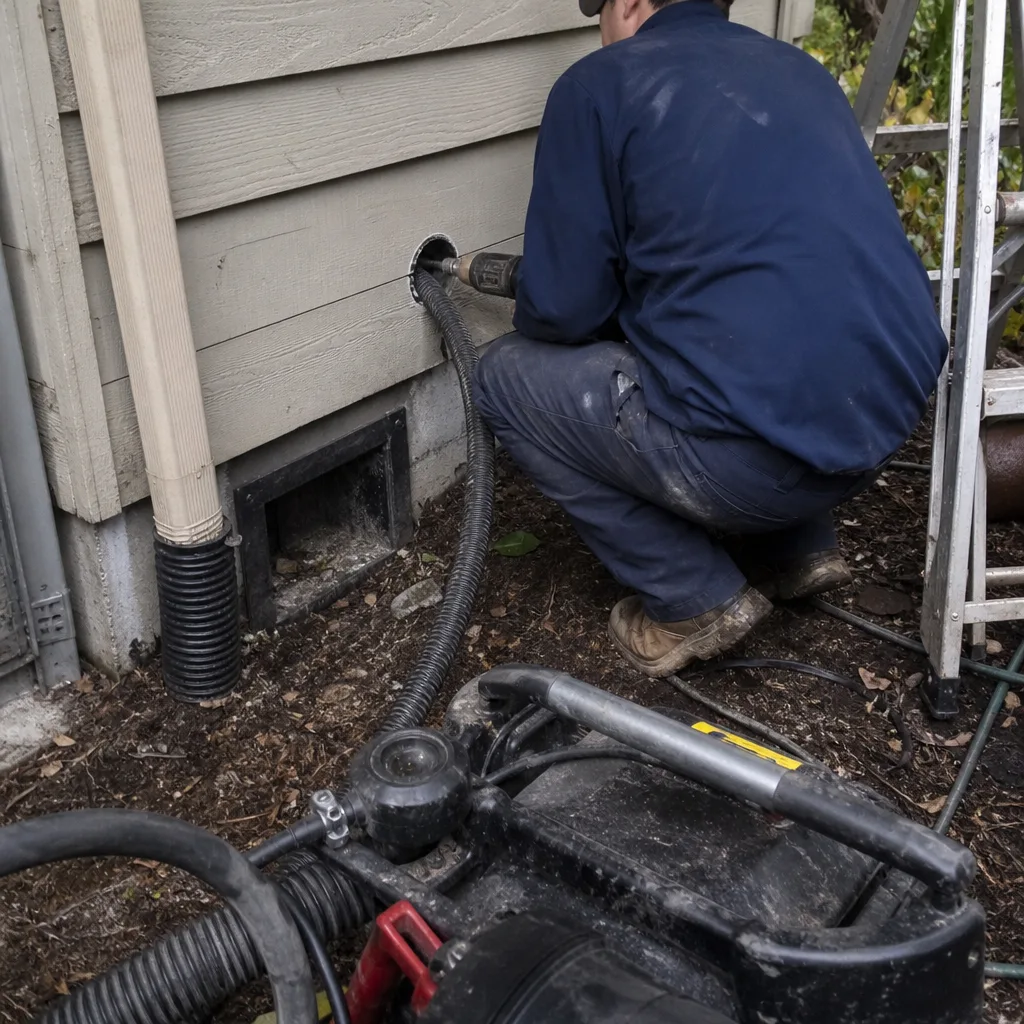 Before
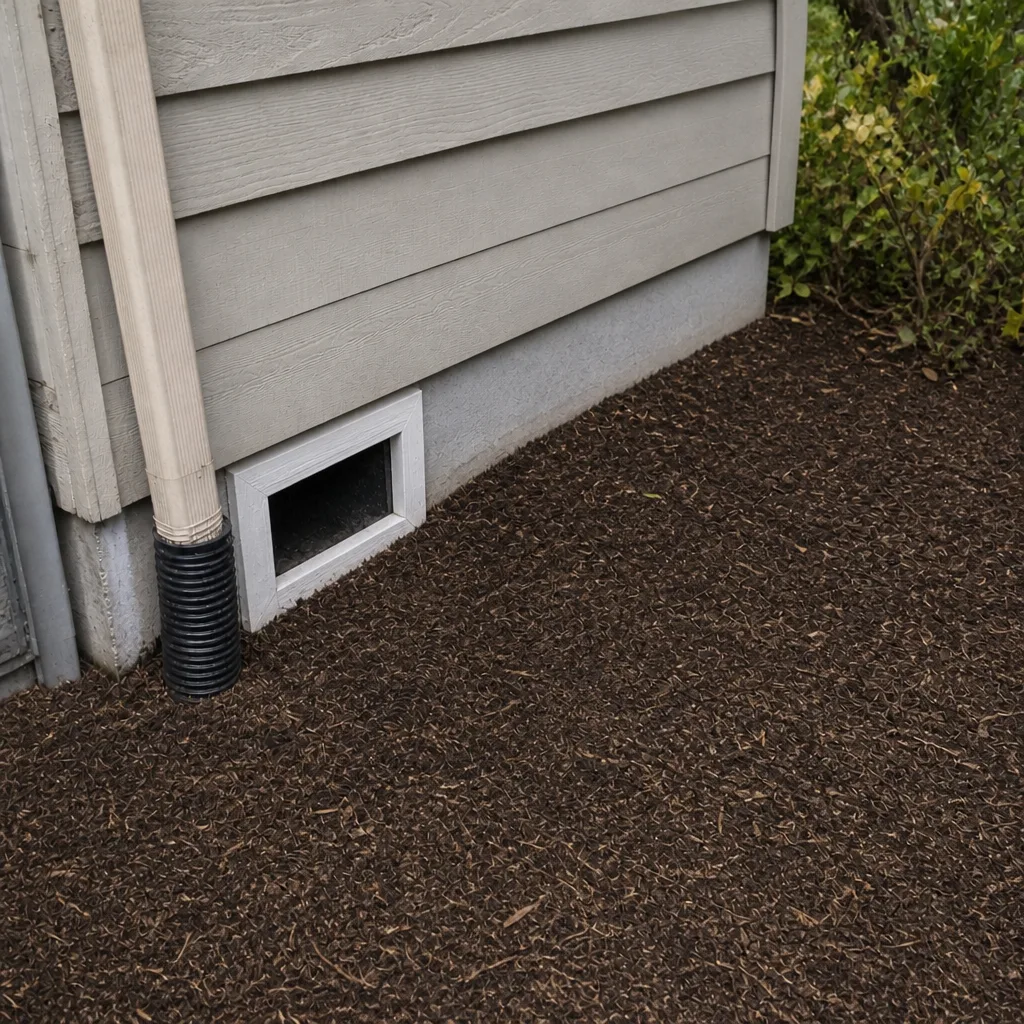 After
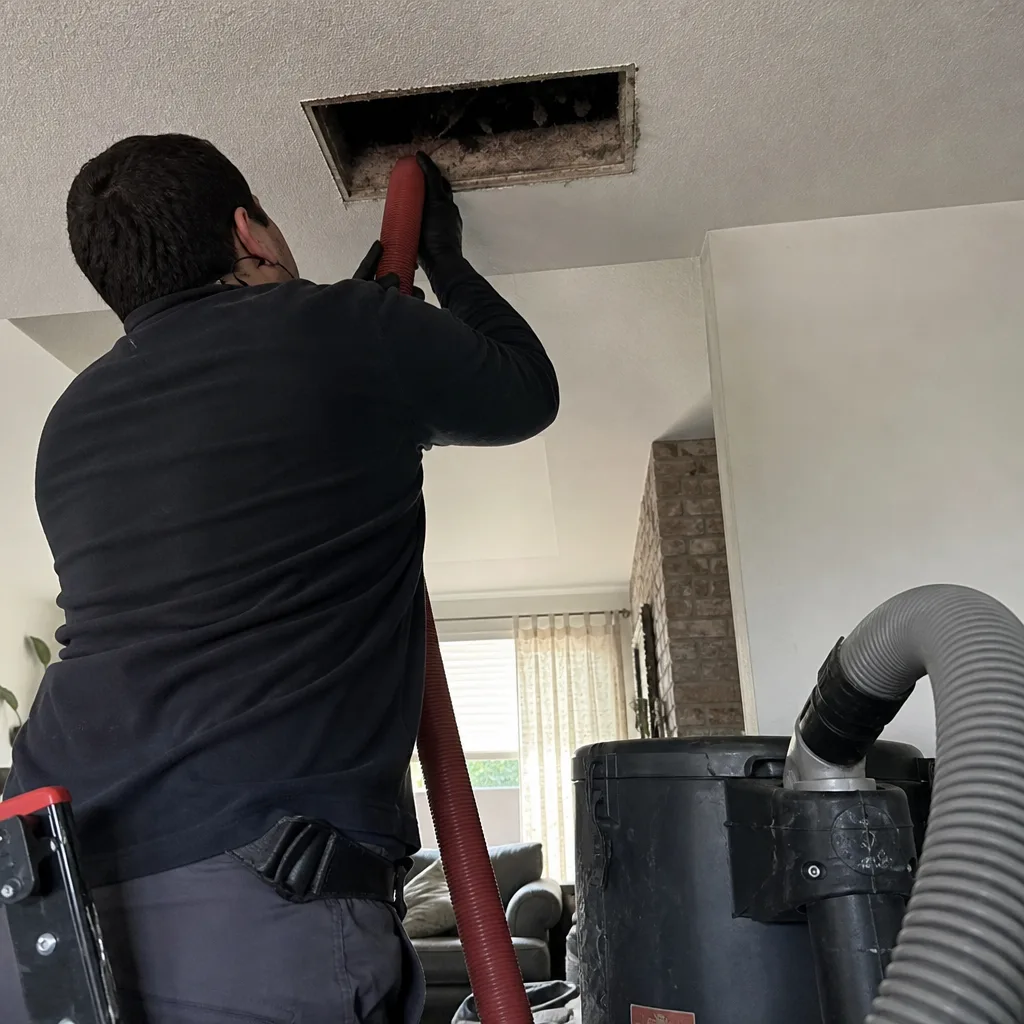 Before
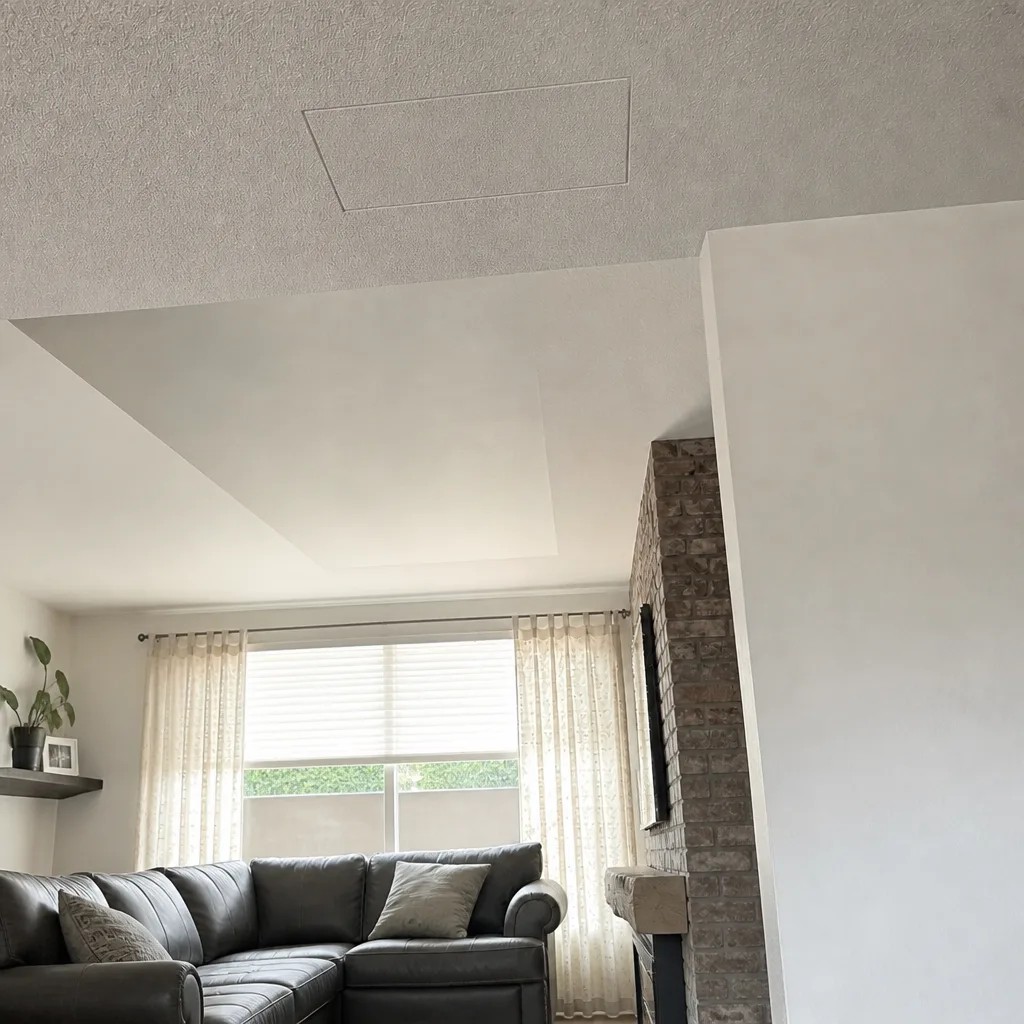 After
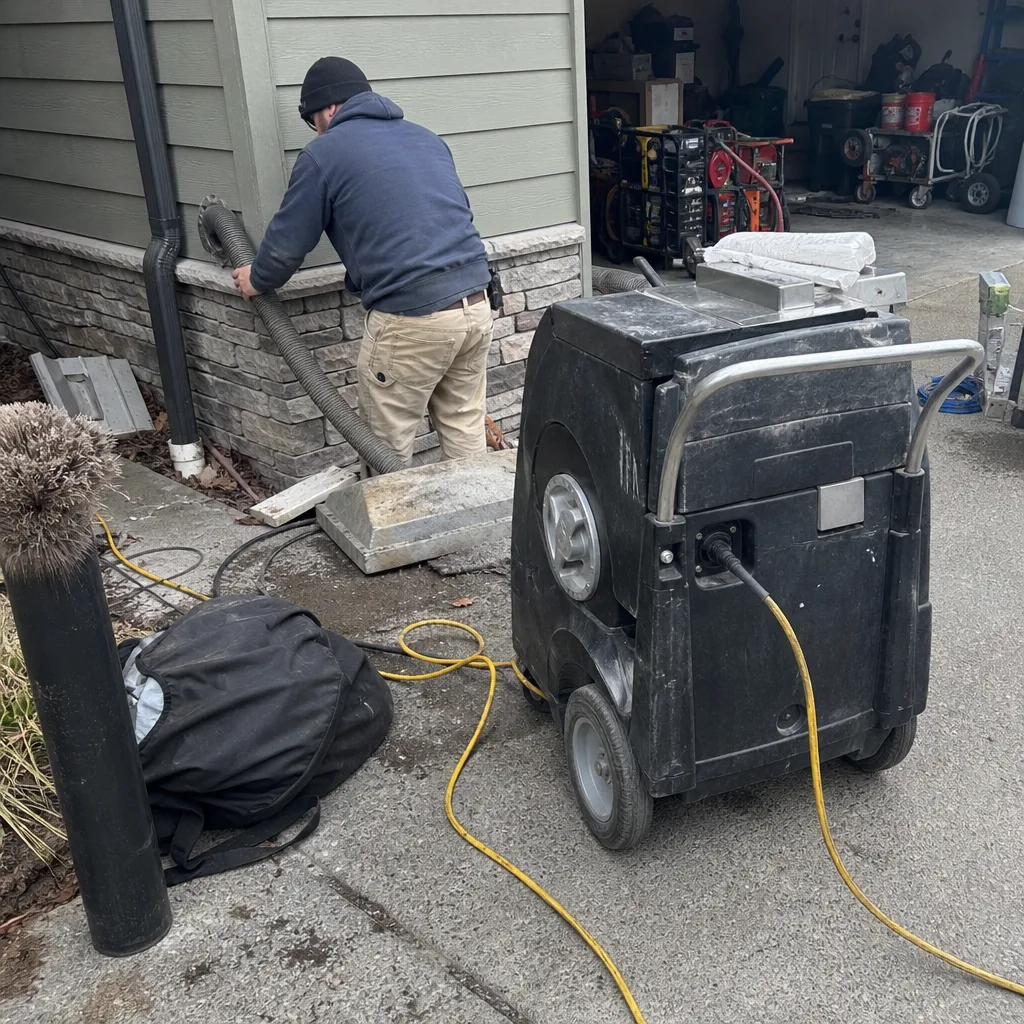 Before
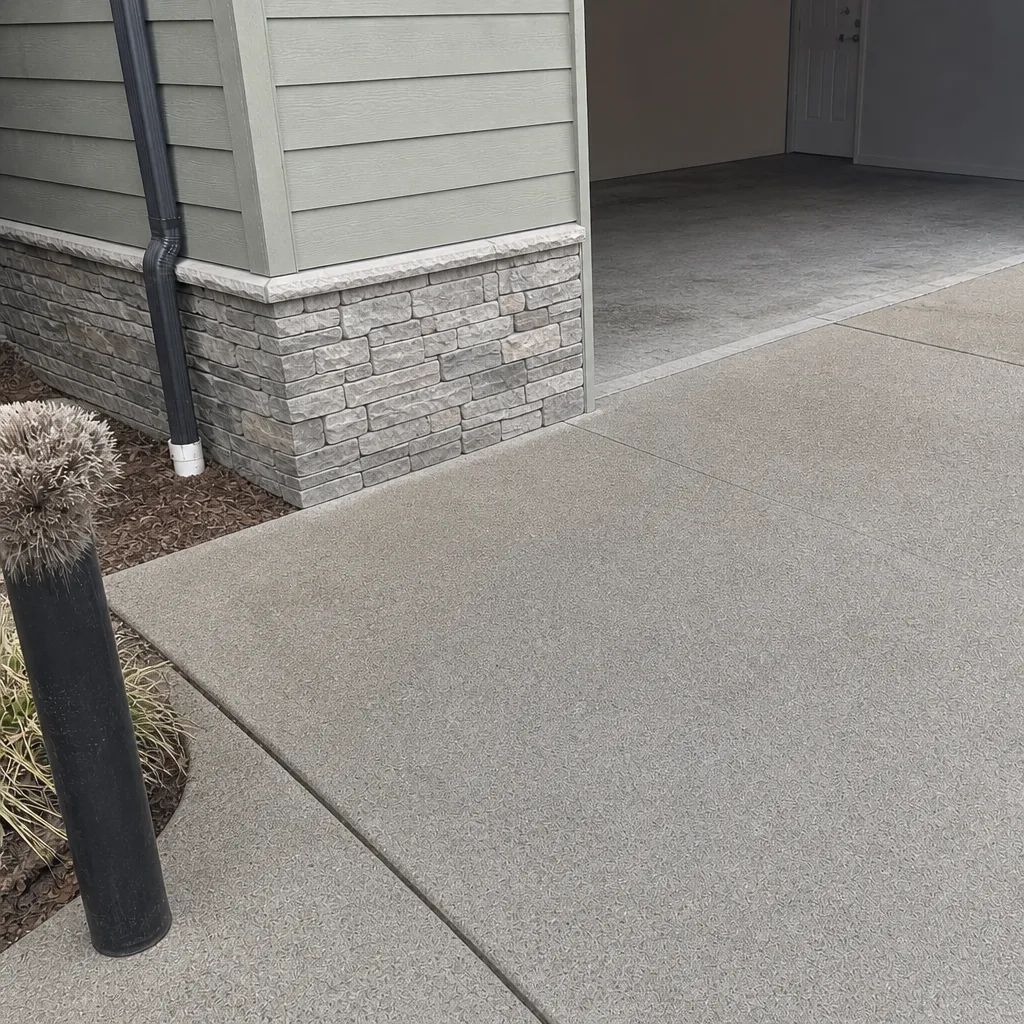 After
When to Call a Professional
Some duct problems are worth a look no matter what. Visible dust streaking at registers, musty odors on system startup, a recent remodel that sent drywall dust into the return, a crawlspace water event, or allergy symptoms that track with HVAC use. If your system is older and the liner condition is unknown, that’s also worth an inspection before anyone puts a brush inside. Dryer vents should be on a schedule regardless, because lint buildup is a fire concern that no other service catches.
We’ve built our work around matching the method to the system rather than forcing every Bellevue home through one process. If you want an honest read on what your ducts actually need, Air Duct Cleaning Bellevue Pros offers free estimates in Bellevue, call (866) 937-8330. We answer 24/7. Fast dispatch from 7am to 7pm, Sunday through Friday.
Our technicians have up to 9 years of experience, the local pro is licensed and insured as their state requires, and the price is one flat rate per system agreed before work starts. If you’re ready to see what your ducts look like from inside, start at Air Duct Cleaning Bellevue Pros.
Frequently Asked Questions
It’s priced per system by written estimate, not per vent. A basic whole-system clean sits in one band, a full-scope clean that includes returns, the air handler, and containment sits higher, and repair/sealing and sanitizing are separate line items when they’re needed. The written estimate sets the final price, and the estimate itself is free. Call (866) 937-8330 for an exact quote.
Because they’re not quoting the same job. Cheaper quotes usually exclude the returns, the air handler, and negative-pressure containment, and they typically use an air whip instead of rotary brush extraction. What they remove is the loose dust and what they leave is the contamination that actually causes the symptoms. In a damp Bellevue crawlspace, a supply-only job is close to pointless. Call (866) 937-8330 for an honest quote and compare the method, not just the number.
Before-and-after photos of your own ducts, not stock images. A technician who can’t show you the interior of the ducts after cleaning is asking you to take the work on faith. We photograph the before, the process, and the after, and the photos belong to you. Call (866) 937-8330 to schedule and see the difference on your own system.
It depends on the system, not the calendar. The common “every three to five years” figure is a rough guide, not a schedule. Homes with pets, allergy-sufferers, recent remodels, or a damp crawlspace run need it sooner, and homes that pass inspection can wait. The inspection should drive the recommendation, not a sales cycle. Call (866) 937-8330 for a free inspection-based estimate.
It can help, but only if the cleaning is done to the whole system with containment, and only if the root cause is also addressed. A damp crawlspace run that isn’t sealed will keep reintroducing the odor regardless of how well the ducts are cleaned. For homes where the source is a compromised liner or a wet run, cleaning alone doesn’t solve it, and duct repair and sealing becomes the real fix. Call (866) 937-8330 to talk through what your home needs.
Yes. Dryer vent cleaning is a separate service from duct cleaning and it’s a fire-safety item, not a comfort upgrade. Lint accumulates in the vent line and can ignite, and the fire concern is the same whether your ducts are clean or not. It’s often the single most overlooked safety service in a home. Call (866) 937-8330 to add it to your estimate.
The Bottom Line
Air duct cleaning in Bellevue works when the method matches the system, the containment captures what gets loosened, and every connected component is cleaned as one job. Flex duct and sheet-metal trunk lines need different tools. Fiberglass liner and damp crawlspace runs need inspection before cleaning, not after. The equipment matters. The containment matters. The photos matter. And the pricing should be one flat rate per system, agreed in writing before anyone arrives, not a per-vent number that grows on site. Ask the six verification questions, refuse per-vent pricing, and you’ll be able to tell the real job from the rushed one in a single phone call.
If you want a straight answer on what your Bellevue home actually needs, call (866) 937-8330. We answer 24/7. Fast dispatch from 7am to 7pm, Sunday through Friday. Estimates are free, and the estimate sets the price before any work starts.
Written by the team at Air Duct Cleaning Bellevue Pros.