
Last updated November 23, 2026
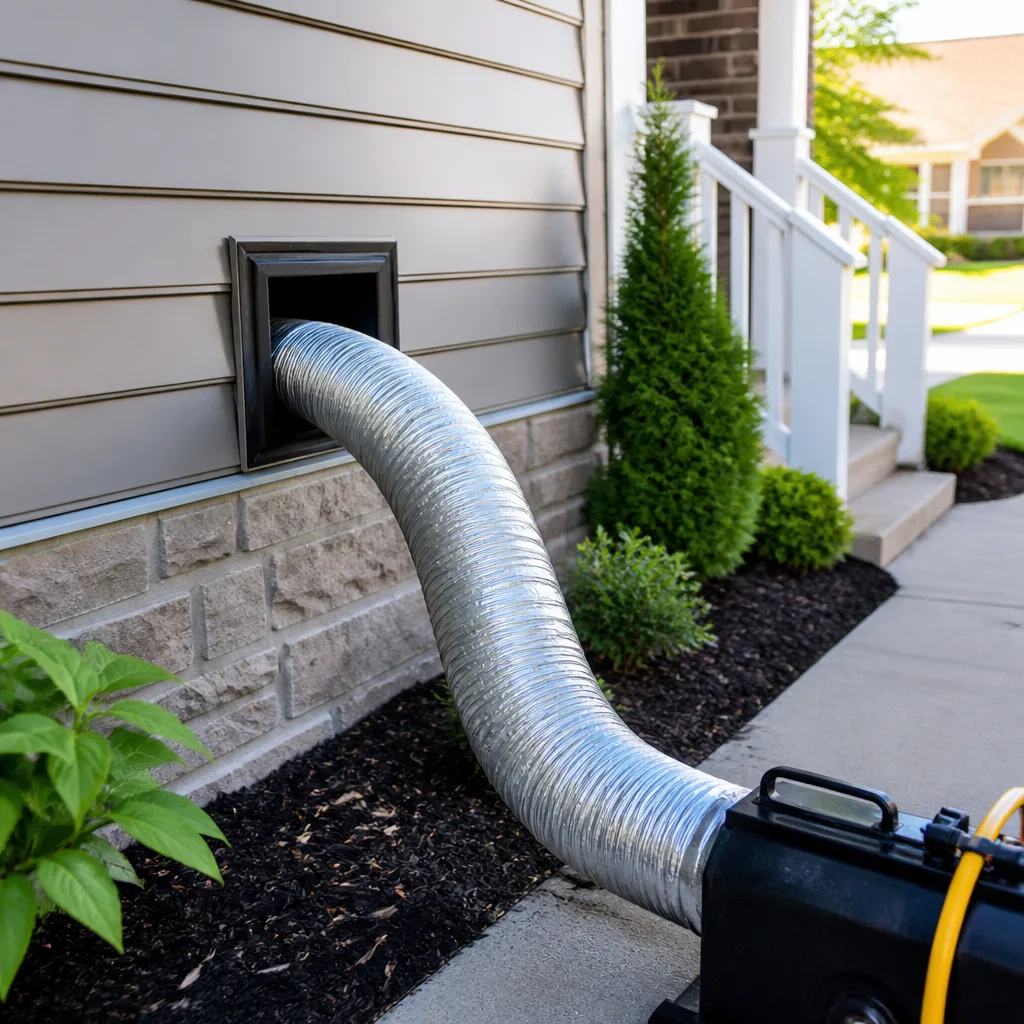 Whole-home duct cleaning
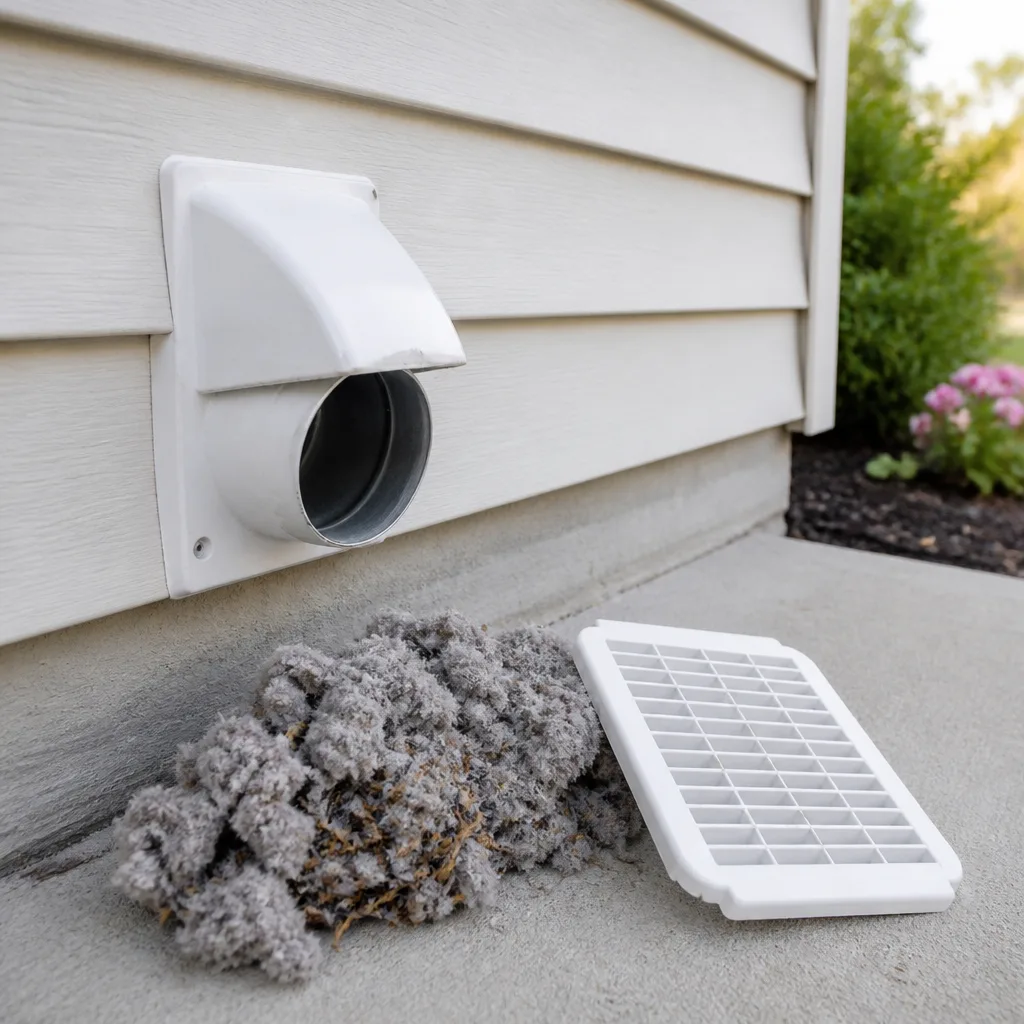 Dryer vent cleaning
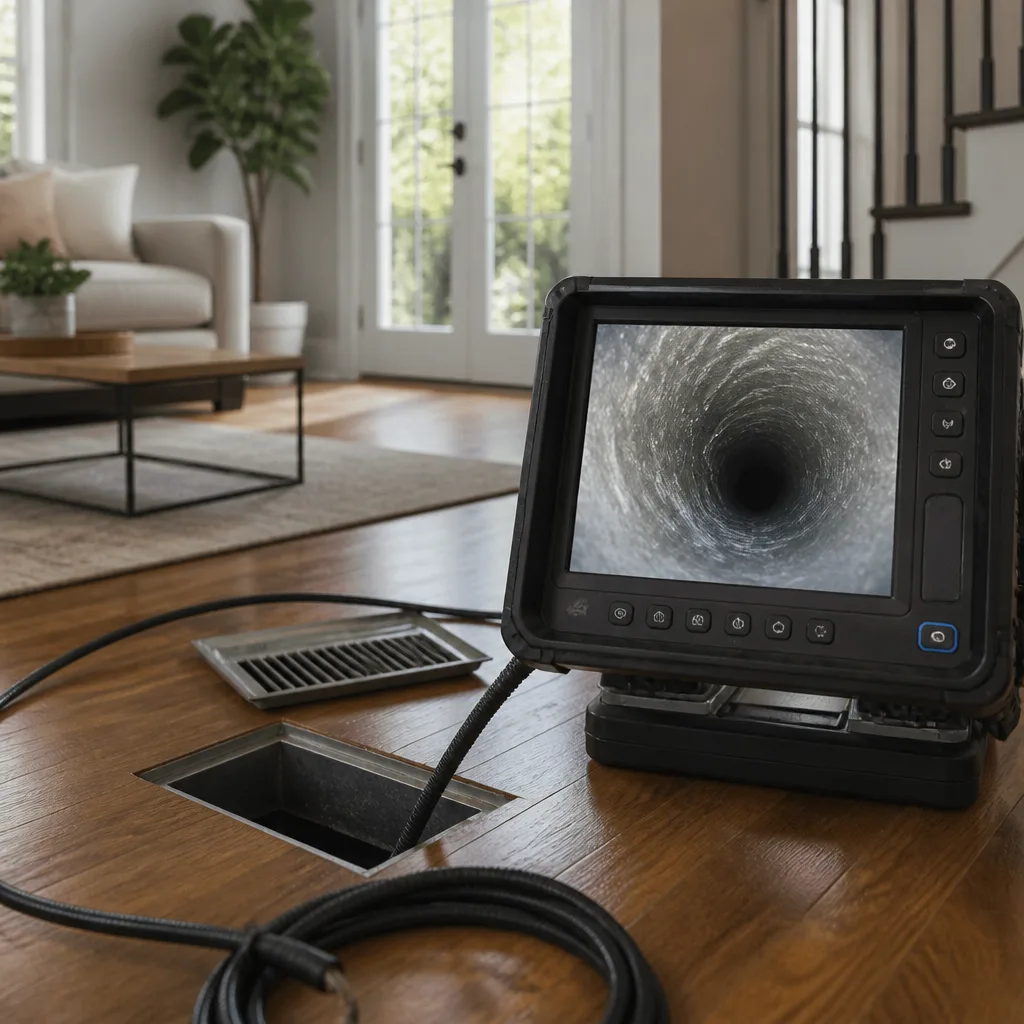 Camera inspection
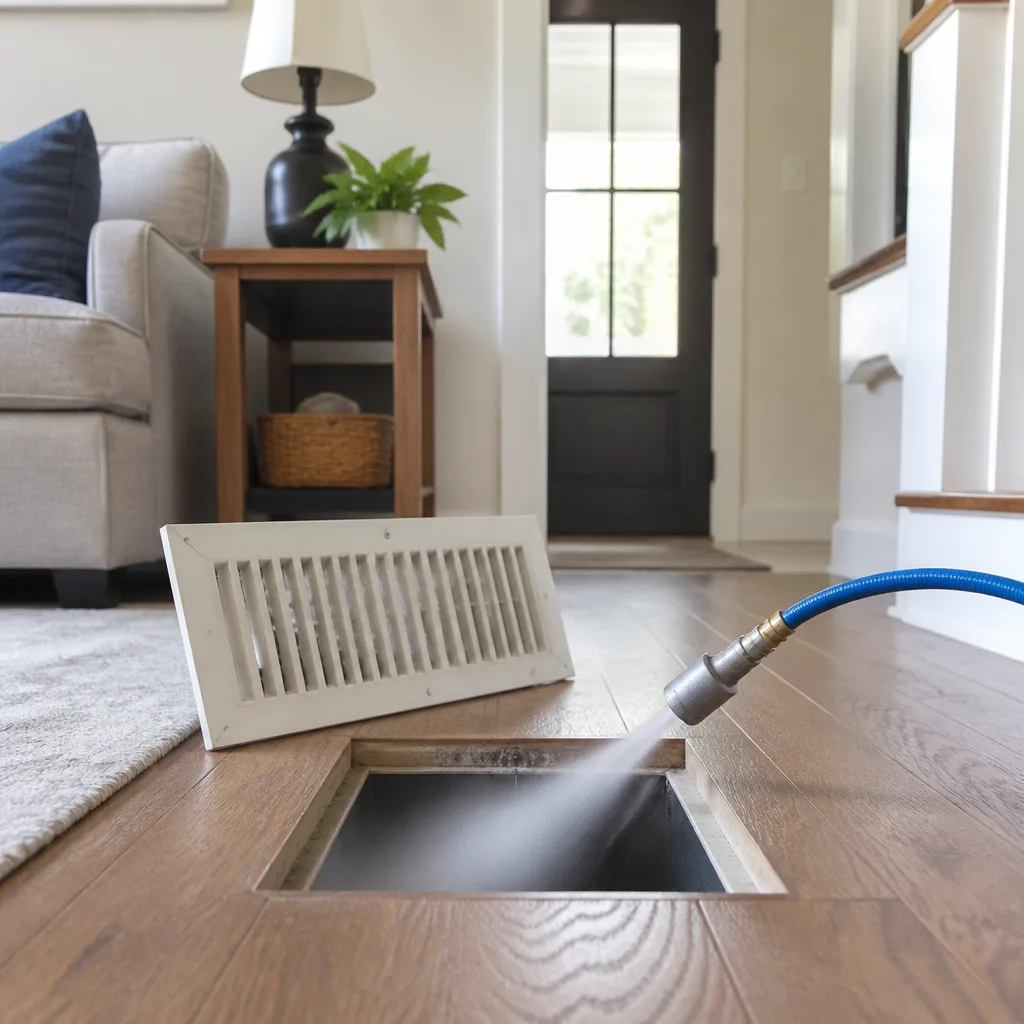 Sanitizing & deodorizing
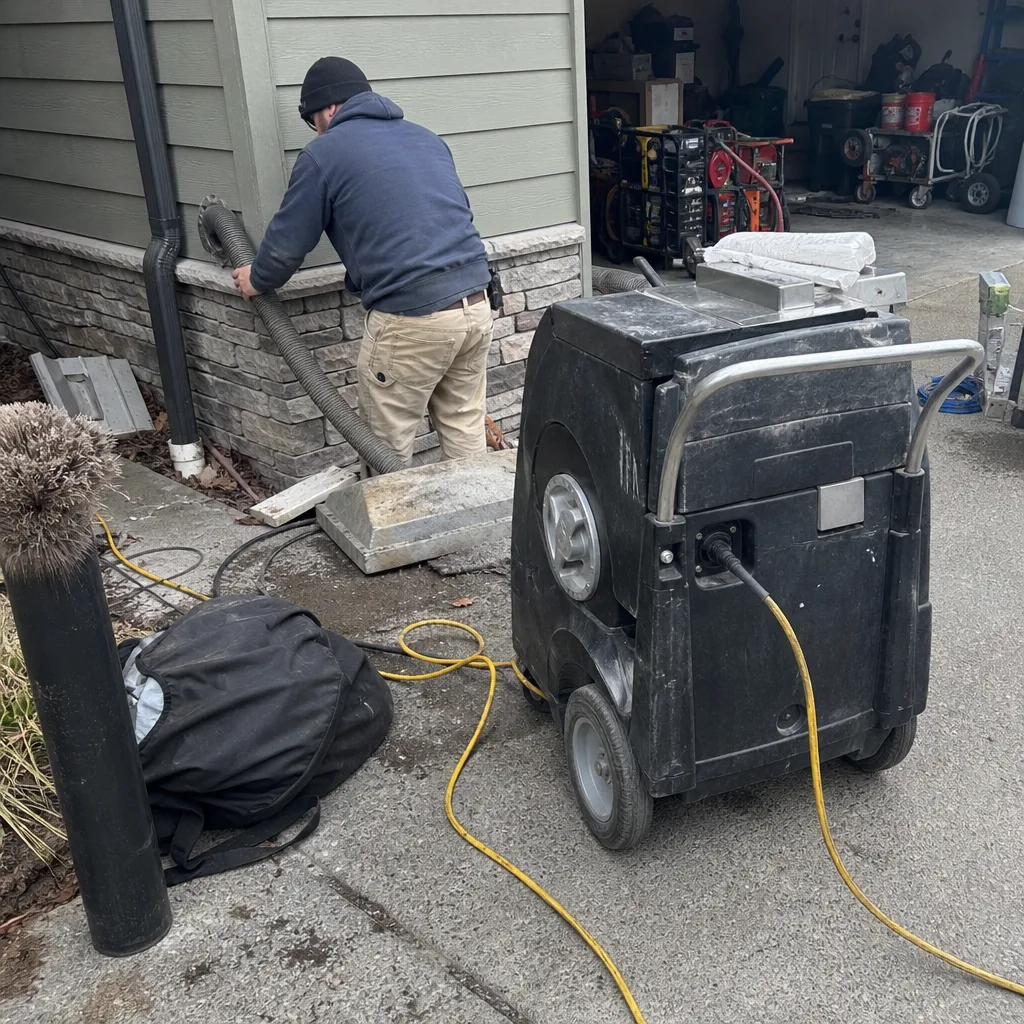
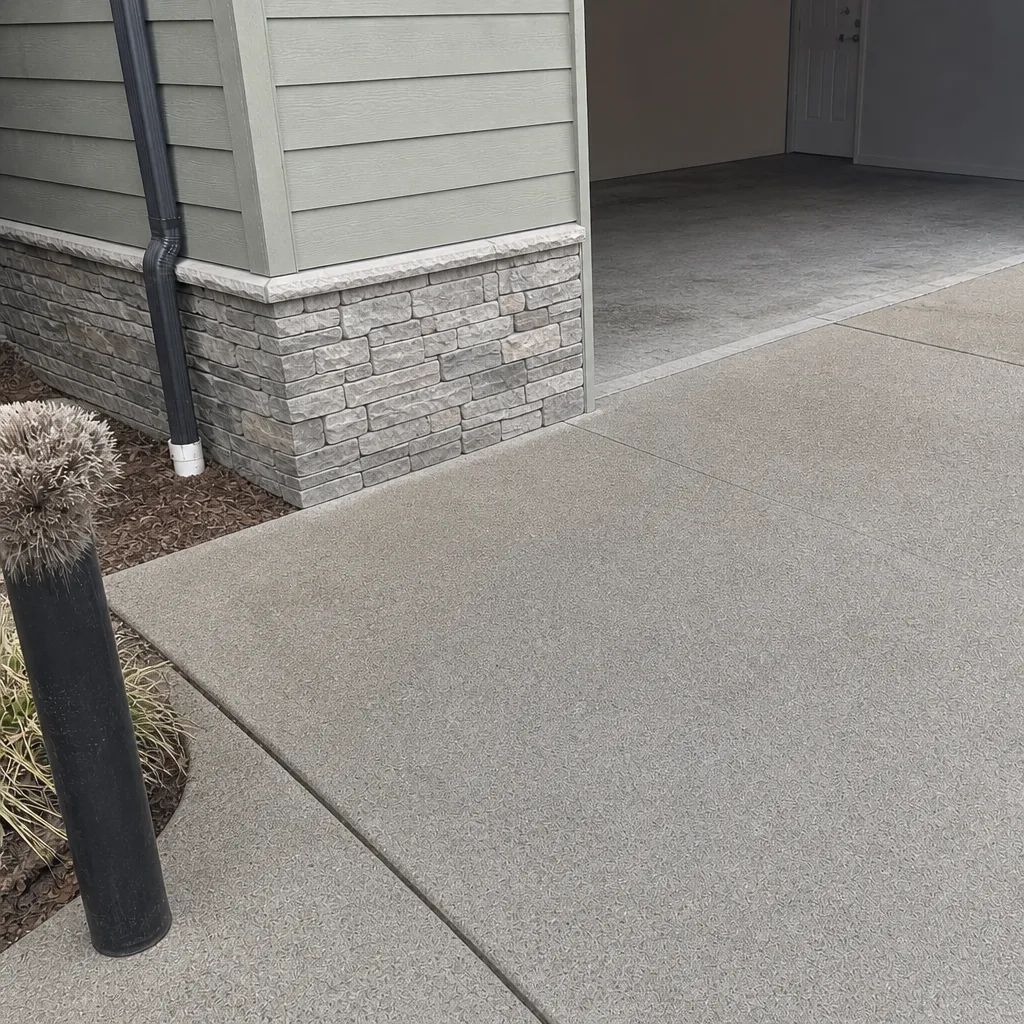
Whole-system duct and dryer vent check with before-and-after photos - you see exactly what came out of your vents
That "$99 whole-house special" is a bait ad - the real number appears once they are in your hallway, or the "clean" is a shop-vac at the register. We photograph the inside of your ducts before and after instead.
Air Duct Cleaning Warning Signs: A Bellevue Homeowner’s Reference Guide
Most homeowners look for dirt. That’s the wrong place to start. A dusty register face is a cosmetic problem, one a wet rag fixes in ten seconds. A furnace that runs noticeably longer than last winter to hold the same temperature is a duct system problem, and the cost difference between catching it now and catching it two winters from now is significant. In Bellevue, where homes range from 1960s ramblers with fiberglass-lined trunks to new-build tight envelopes with long flex runs, the warning signs that matter most are behavioral, not visible. This guide teaches you to read them: HVAC runtime shifts, room-to-room temperature gaps, filter loading patterns, and the three distinct smells that tell you whether to monitor, clean, or stop using the system.
Quick Answer
The core warning signs of a duct problem are rising HVAC runtime for the same comfort level, rooms that never match the thermostat, filters that clog faster each year, musty or chemical odors at supply registers, visible dust plumes when the system starts, and condensation on duct runs in crawlspaces or garages. Visible dust alone rarely means your ducts are the source. Persistent behavior changes in the HVAC system mean they usually are.
Styles & brands we work with
- Whole-home duct cleaning
- Dryer vent cleaning
- Camera inspection
- Sanitizing & deodorizing
Table of Contents
- The Behavioral Signals Most Homeowners Miss
- Filter Problem vs. Duct Problem vs. Mechanical Problem
- Warning Signs Specific to Bellevue Homes
- Smell-Based Diagnostics: Musty, Burning, Chemical
- A Simple 15-Minute Home Walk-Through
- Cleaning vs. Remediation vs. Replacement
- What Duct Cleaning Costs in Bellevue
- Common Mistakes to Avoid
- When to Call a Professional
- Frequently Asked Questions
The Behavioral Signals Most Homeowners Miss
Your HVAC system is a measuring instrument. It tells you exactly how much resistance the duct network is putting up, you just have to know the gauge. When return-air pathways or supply runs get restricted by accumulated debris, the blower has to push harder and longer to move the same volume of conditioned air. You feel the discomfort as “the house feels cold” or “the upstairs never warms up.” The duct system is telling you why.
Here’s what to watch for over a heating season in Bellevue:
- Runtime creep. If your furnace or heat pump runs a visibly larger share of the day than it did the previous year to hold the same setpoint, that’s a signaling change. It could be duct restriction, a dirty blower wheel, low refrigerant, or deteriorating insulation. It’s the single most reliable trigger to get the system looked at.
- Short cycling at the thermostat. Rapid on-off cycles with poor comfort delivery usually point to restricted airflow, not a failing thermostat. The system heats up fast, the stat reads satisfied, and the rooms stay cold. Confusing.
- Room-to-room temperature spread. A 2-3°F difference between rooms is normal. A 6-8°F difference that’s grown over a year or two often means a crushed, disconnected, or debris-loaded run serving that room.
- Weak register velocity. Hold a tissue at each supply register. If some registers push with clear force while others barely flutter, you have a distribution problem somewhere in the trunk or branch.
- Filter loading intervals shrinking. If you changed the filter every three months two years ago and now you’re changing it every month at the same MERV rating, something upstream is shedding particulate. That’s often the duct interior itself.
None of these signals costs money to observe. All of them are worth writing on a sticky note next to the thermostat over one heating season. If two or more show up together, it’s time to stop guessing and get a professional assessment of the labyrinth of ducts running through your home.
Filter Problem vs. Duct Problem vs. Mechanical Problem
Homeowners often skip straight to “the ducts are dirty” when comfort drops. In our experience, that’s right about half the time. The rest of the time it’s a filter issue or a mechanical issue that no amount of air duct cleaning will fix. Sorting them apart yourself saves you from paying for the wrong service. It also prevents the classic bait-and-switch pattern where a technician sells a duct cleaning you didn’t need while the actual problem walks out the door with him.
Use this simple diagnostic first:
- Check the filter. Pull it, hold it up to a window. If it’s grey, matted, and covered in a uniform fuzzy film, replace it and run the system for a week. If comfort returns, you had a filter problem. If comfort stays depressed, move to step 2.
- Check airflow at registers across the house. If strong at all registers but rooms still won’t heat, that’s leaning mechanical: check refrigerant levels, a dirty condenser coil, or a failing blower. If some registers are strong and others are weak, you have a duct distribution problem.
- Check the filter box for debris bypass. A filter slot that doesn’t seal properly lets dust slip past the filter straight into the blower and ducts. Look for accumulated dust inside the return duct right above the filter slot.
- Check for visible register grime patterns. Black streaking around the register frame that emerges immediately after cleaning is a sign of ongoing air leakage carrying dust out of the duct, not of dirty ducts per se. That’s a sealing issue, not a cleaning issue.
A filter problem costs a few dollars to fix. A duct problem typically requires a professional cleaning plus a look at sealing. A mechanical problem belongs with an HVAC technician. Only the middle category is a duct-cleaning job, and that distinction is exactly what a straight-talking specialist will tell you within the first five minutes of an on-site assessment.
Warning Signs Specific to Bellevue Homes
Bellevue’s housing stock runs the full spectrum: mid-century ramblers in the older neighborhoods, rebuilt and enlarged homes with extended duct trunks, newer construction in the eastern hills with long flex runs and tight envelopes. Each construction type has its own warning patterns. They aren’t interchangeable, and reading them correctly saves Bellevue homeowners from two very different kinds of unnecessary spending.
Fiberglass liner breakdown in older systems
Homes built roughly five to six decades ago often have internally insulated ducts: fiberglass liner bonded to the inside of sheet metal. Over decades, the liner can delaminate, fray, and shed fiberglass particles into the airstream. The visual sign is what you’ll find at the supply registers on the first cold morning of the season: a fine whitish or greyish film, more than usual, with a slightly gritty texture between your fingers. If you see this pattern emerging across multiple registers during the heating season, that’s a signal to schedule an inspection. It’s a lining-condition question, not just a cleaning question, and HVAC cleaning decisions on this kind of system need a professional eye on the liner before any brush goes in.
Condensation indicators in crawlspace and garage runs
Bellevue’s wet winters and long shoulder seasons routinely bring condensation on duct runs that pass through unconditioned space: crawlspaces, garages, and enclosed exterior chases. The warning pattern is short streaks of moisture on the duct exterior, dark staining on the wood framing around runs, or a musty smell strongest near the floor above the crawlspace. Any of those indicate the run is losing insulation value or leaking humid air into the surrounding structure. Cleaning the ducts without addressing the leak is a waste of money, and water sitting inside the duct lining is a favorable environment for biological growth that a clean alone won’t fully solve.
Tighter newer homes and long flex runs
Recently built Bellevue homes often have efficient, tightly sealed envelopes paired with long flex duct runs. When the envelope is that tight, every bit of duct-borne particulate matters more, because there’s less natural air exchange to dilute it. Flex duct has a secondary warning sign: sagging or kinked runs. Look for a run that visibly droops below its support strap in the crawlspace. That droop traps moisture and debris and cuts airflow to the room it serves. That’s a repair job, not a cleaning job.
Smell-Based Diagnostics: Musty, Burning, Chemical
Odors at supply registers are information. Each category of smell points to a different problem, and the response time varies widely. Some smells mean “call us next month.” Others mean stop using the system and call a professional now.
- Musty, damp, or earthy. Response: monitor and schedule an assessment. A slight musty smell strongest at registers on the lower floors, especially after Bellevue’s rainy stretches, usually points to biological growth in the duct lining or in a damp crawlspace run. This is a real IAQ concern, but it’s rarely an emergency. Get it assessed in the near term. Sanitizing after cleaning is where this one turns around.
- Burning, scorched, or hot-plastic. Response: shut the system off and call an HVAC professional immediately. This is a safety signal. It can come from an overheating blower motor, a failing heat exchanger in a gas furnace, or electrical components in the air handler. Whatever the cause, it isn’t a duct cleaning issue, and continuing to run the system is a risk you don’t want to take. Turn the thermostat to off, and have the mechanical side checked before any cleaning discussion.
- Chemical, sharp, or solvent-like. Response: identify the source before running the system. A chemical smell at registers typically traces to a recent painting project, new furniture off-gassing, or a household product that got pulled into the return. It can also come from a failing component in the air handler. If the smell persists more than a few days, or you can’t identify a source, get it looked at. Do not run the system more than necessary in the meantime.
- Dusty, “dry” smell when the system starts. Response: cleaning is often appropriate. That puff of stale air at startup is a normal amount of settled dust being moved through the ducts. If the smell has noticeably intensified or the visible dust plume is getting longer, that’s the pattern worth cleaning.
- “Wet dog” smell in a home without pets. Response: professional assessment. This points at moisture or growth in the duct lining. It’s rarely urgent, but it’s not the kind of thing that fixes itself either.
The dangerous smells are the burning ones. Everything else is a monitoring-and-scheduling decision. Nothing about a smell-based diagnostic is a DIY repair, and none of the underlying conditions are safe to investigate inside an operating air handler.
A Simple 15-Minute Home Walk-Through
These are observations, not DIY repairs. The walk-through is meant to help you describe your system accurately to a professional, not to substitute for an inspection. Do not open panels, dismantle duct connections, or reach into the air handler.
- Register by register. Walk each room with a tissue. Note which registers push strong airflow and which barely flutter. Note any visible streaking on the register grille or the wall around it.
- The filter slot. Check condition of the current filter and how long it’s been in. Look for debris visible above the slot. Note whether the slot cover is intact or missing.
- The return side. Identify where your biggest return grille is. Look at the face and the inside of the return box with a flashlight. Note whether dust coats every interior surface evenly (typical) or if there’s a localized drift of debris (a signal of a specific restriction).
- The crawlspace or garage run. From the access point only, look for duct runs that visibly sag, are crushed against framing, have moisture streaks on the exterior, or show dark staining on nearby wood. Note anything you see; don’t reach in.
- Thermostat behavior over a week. If you have a programmable or smart thermostat with runtime data, screenshot it at the start and end of a typical week. If not, note daily runtime or the number of on-cycles. That’s your baseline for next year.
- The smell log. Note when and where each smell appears. Does the musty smell appear only after rain? Does the dusty smell only happen at system startup? Patterns matter.
Write down what you observe. A homeowner who can say “the upstairs bedroom register is weak and there’s a musty smell only after long rain spells” gives a professional a much faster diagnosis than “my air feels dirty.” That clarity matters more than any single observation on this list.
Cleaning vs. Remediation vs. Replacement
The single biggest cost-planning decision in this entire guide is knowing the difference between three outcomes on the same walk-through. A homeowner who budgeted for cleaning and then finds out the liner is failing has a different conversation than one who budgeted for cleaning and gets it. Understanding the categories up front prevents a very expensive surprise.
When it’s a cleaning job
Cleaning is the answer when the duct structure is sound, the liner is intact, and the debris inside is typical accumulation: dust, debris tracked in from the outside, surface contamination on the duct interior. A professional equipment setup handles this. Contact cleaning with rotary brush extraction (our Air Duct Cleaning Bellevue Pros team runs Rotobrush platforms for this) scrubs the duct interior by contact, while negative-pressure containment using Nikro equipment holds dust as it’s dislodged. The full-scope approach is what keeps it a cleaning job rather than a partial one. Cleaning cost is predictable and modest compared to replacement.
When it’s a remediation job
Remediation enters the picture when the answer requires more than a clean: sanitizing after cleaning when there’s identifiable biological growth, sealing loose connections to prevent recontamination, or repairing and resealing visible duct runs that have partially disconnected. Air quality sanitizing applied after a clean, and duct repair and sealing after the cleaning crew finishes, is where the problem actually gets resolved. The distinction matters because cleaning with no remediation is where recontamination happens in a season or two, and the homeowner pays twice.
When it’s a replacement job
Replacement is on the table when the duct system itself has failed: extensive fiberglass liner delamination across multiple runs, crushed flex duct that can’t be salvaged, or duct runs with long-standing water intrusion that has compromised the duct wall. This is rare, but it’s real. Cleaning a lining that’s already crumbling spreads the problem. A professional inspection catches the difference before the cleaning crew starts, not after the invoice is written.
Equipment choice matters for each of these. A specialist who runs only air-whip equipment will struggle to fully clean a heavily loaded duct. A specialist who runs only a rotary brush on a delaminating fiberglass liner can tear it open further. That’s why the equipment-forward approach, where tools are matched to the duct’s condition, matters more than a cleaning promo.
What Duct Cleaning Costs in Bellevue
Cost planning starts with honest whole-system ranges, not per-vent teaser prices. Per-vent pricing is how a low coupon turns into a large invoice once the technician is on site. Here are the typical ranges we see for Bellevue-area work, organized by the kind of job:
- Standard whole-system duct cleaning (one HVAC system, typical home): $490-$890, depending on system size, number of runs, and how much robotic or rotary-brush work each branch requires.
- Larger or dual-system homes, extended trunks, multiple returns: $890-$1,400.
- Air quality sanitizing after a full clean: $150-$350 for a typical residential system.
- Duct repair and sealing (spot repair on disconnected or crushed runs): $250-$650 per affected run, depending on access and run length.
- Dryer vent cleaning: $125-$250 for a typical residential run; longer exterior runs and roof terminations sit at the higher end.
Those are typical ranges for the Bellevue market, not a quote for your home. The written estimate you receive after an on-site look sets the final price. One flat price per system, agreed before any work starts, is the standard that makes the estimate trustworthy. Before-and-after photos of your own ducts are the verification that the work happened. Any quote that doesn’t include those standards deserves a second question before you book.
Duct cleaning cost sits in a completely different category from duct replacement, which is the reason the cleaning-vs-remediation-vs-replacement distinction above matters so much. A homeowner who understands the diagnosis avoids paying for cleaning they didn’t need, and avoids paying for a bigger job than they thought they were buying.
Common Mistakes to Avoid
- Judging duct condition by the register grille alone. A grille that looks dusty is often just a grille. The pattern that matters is inside the duct and at the system’s behavior. Clean the grille, then watch the furnace for a season.
- Hiring the cheapest available quote because the price is per-vent. Per-vent pricing drives a rush job and incentivizes upselling on-site. Whole-system single-price quotes are the format that lets you compare apples to apples.
- Skipping the return side entirely. The return ducts and the air handler area carry as much debris as the supply side. A quote that only addresses supply registers isn’t a full-scope job.
- Ignoring the dryer vent because the ducts are the priority. Dryer vents are a fire-safety issue, and a blocked vent is one of the more preventable household risks. Include dryer vent cleaning in the conversation if it’s been more than a couple of years.
- Cleaning when the real problem is a mechanical failure. If the furnace is short-cycling or a burning smell is present, the mechanical side comes first. Duct cleaning won’t fix a failing blower motor.
- Assuming a Bellevue home built in the 1960s is automatically a wiring-and-lining problem. Plenty of older duct systems in this area are perfectly sound. The point isn’t to alarm; it’s to have the lining inspected before brushing.
- Not asking for before-and-after photos of the ducts themselves. A company that can’t document the work can’t be verified. Photos of the ducts before and after are a simple standard to hold any provider to.
- Using coupon pricing as the decision-maker. The written estimate, not the coupon, is where the real price lives. Ask for one at the start.
When to Call a Professional
Call a professional if two or more behavioral signals show up together in the same season: rising runtime, uneven room temperatures, a filter that clogs noticeably faster than last year. Call if you see whitish-gritty residue at multiple supply registers in an older Bellevue home, or if you smell musty or damp air at your registers through a rainy stretch. Call immediately and shut the system off if you smell burning or hot plastic. Call if a crawlspace duct run looks crushed, disconnected, or has moisture streaks on its exterior. And call for a straightforward assessment if it’s simply been six or more years since the system’s last documented cleaning, and you’re seeing other warning signs.
Air Duct Cleaning Bellevue Pros offers free estimates in Bellevue. Call (866) 937-8330. We answer 24/7, with fast dispatch from 7am to 7pm, Sunday through Friday. Our technicians have up to 9 years of experience.
Frequently Asked Questions
The clearest signals are HVAC runtime increasing year over year for the same comfort level, filters loading noticeably faster than previous years, strong room-to-room temperature differences that have grown, visible dust plumes at system startup, and musty smells at supply registers after Bellevue’s wet stretches. Visible register dust by itself is a weak signal. The behavioral HVAC signals are the ones that actually point to the duct system. If two or more of these are present, call (866) 937-8330 for an exact quote. Estimates are free.
Every five to seven years for most Bellevue homes is a reasonable baseline, with a shorter interval for homes with pets, recent remodeling, or a family member with significant respiratory sensitivity. Your own filter-change frequency is the better guide: if you’re changing the filter much more often than you used to at the same MERV rating, the ducts are probably worth a look sooner. If a smell or moisture pattern has appeared, the interval shortens again. Call (866) 937-8330 to compare your situation against a professional assessment.
A standard whole-system cleaning for a typical Bellevue home runs roughly $490-$890. Larger homes or dual-system setups typically run $890-$1,400. Additions such as air quality sanitizing ($150-$350) or spot duct repair ($250-$650 per run) sit on top of that. A written estimate after an on-site look sets the final price. Call (866) 937-8330 and ask for a free estimate.
Cheap quotes usually come from per-vent pricing or scope-limited jobs that only address supply registers and leave the return side and the air handler untouched. Rushed work with a single-tool approach also drives the price down, and so does the upsell model where the coupon price grows significantly once work begins. A whole-system single price with documented before-and-after photos is the version that pays out over the long run. The estimate sets the price, not the coupon. Call (866) 937-8330 for an honest range.
Ask for before-and-after photographs of your own ducts, not stock images from a brochure. A professional cleaning also leaves verifiable traces of the process: negative-pressure containment setups during the job, a return side that was addressed, and an air handler area that was accessible and cleaned. And the airflow behavior at your registers should match what the technician described before starting work. Before-and-after photos of your own ducts are the standard to hold any provider to. Call (866) 937-8330 to schedule an assessment.
A single-room musty smell localized to one register usually points to a specific run that’s lost insulation, has a moisture problem, or is leaking in a crawlspace transition. A whole-system cleaning won’t settle that. What settles it is identifying that run, checking its exterior for condensation, confirming the liner condition, and then deciding whether it’s a cleaning, sealing, or repair. Air quality sanitizing after cleaning often resolves residual odor. Call (866) 937-8330 for an exact quote on the assessment.
The Bottom Line
Duct problems announce themselves behaviorally before they announce themselves visibly. Rising runtime, uneven rooms, faster filter loading, and pointed odors at registers are the tell. Read those signals and you’re saved from the dust-on-grille red herring. In Bellevue, that means paying attention to liner condition in older homes, condensation on crawlspace runs during long wet stretches, and the airflow patterns in tight-envelope newer builds. And it means separating cleaning from remediation from replacement before the invoice is written, because those are three different decisions with three different price structures. Air quality you can verify starts with a professional eye on your system’s actual behavior, not a coupon on the door hanger.
Call (866) 937-8330 for a free estimate. We answer 24/7. Fast dispatch from 7am to 7pm, Sunday through Friday.
Written by the team at Air Duct Cleaning Bellevue Pros.
See the difference
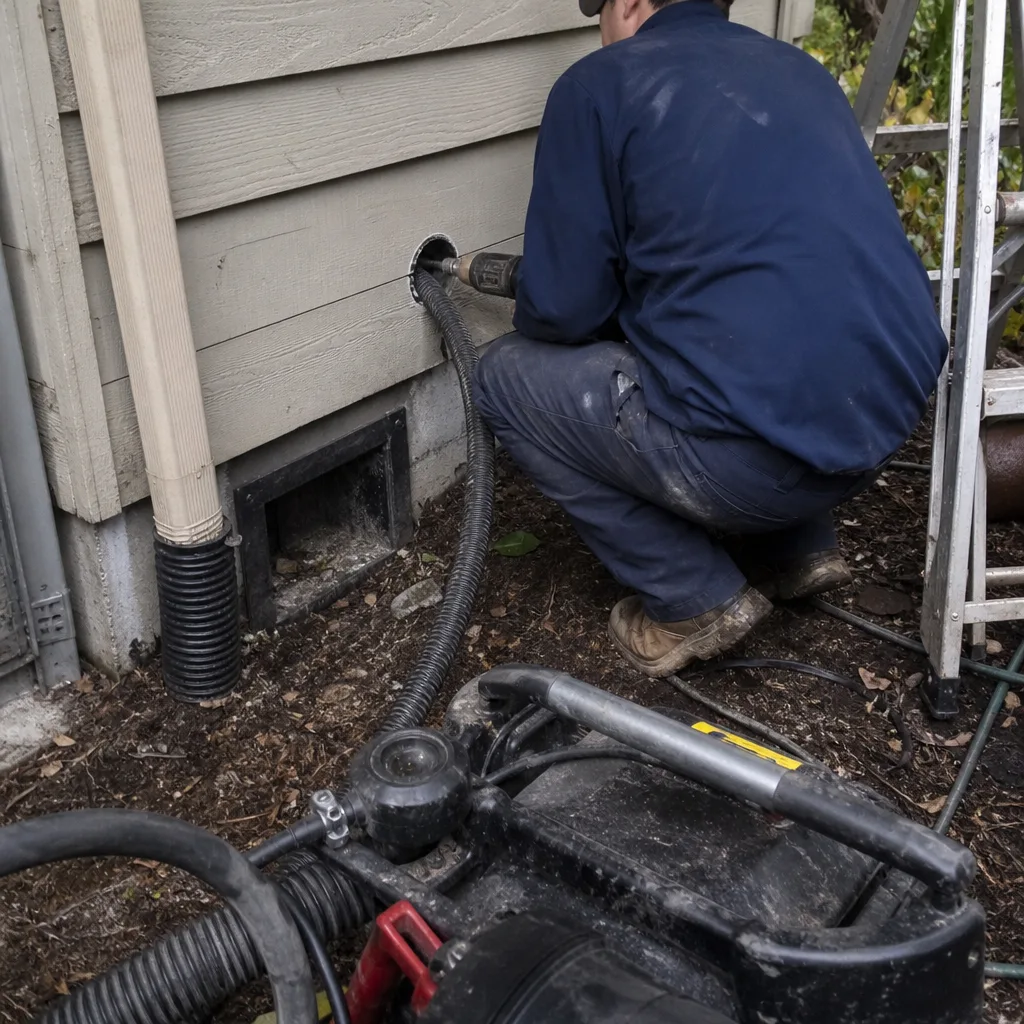 Before
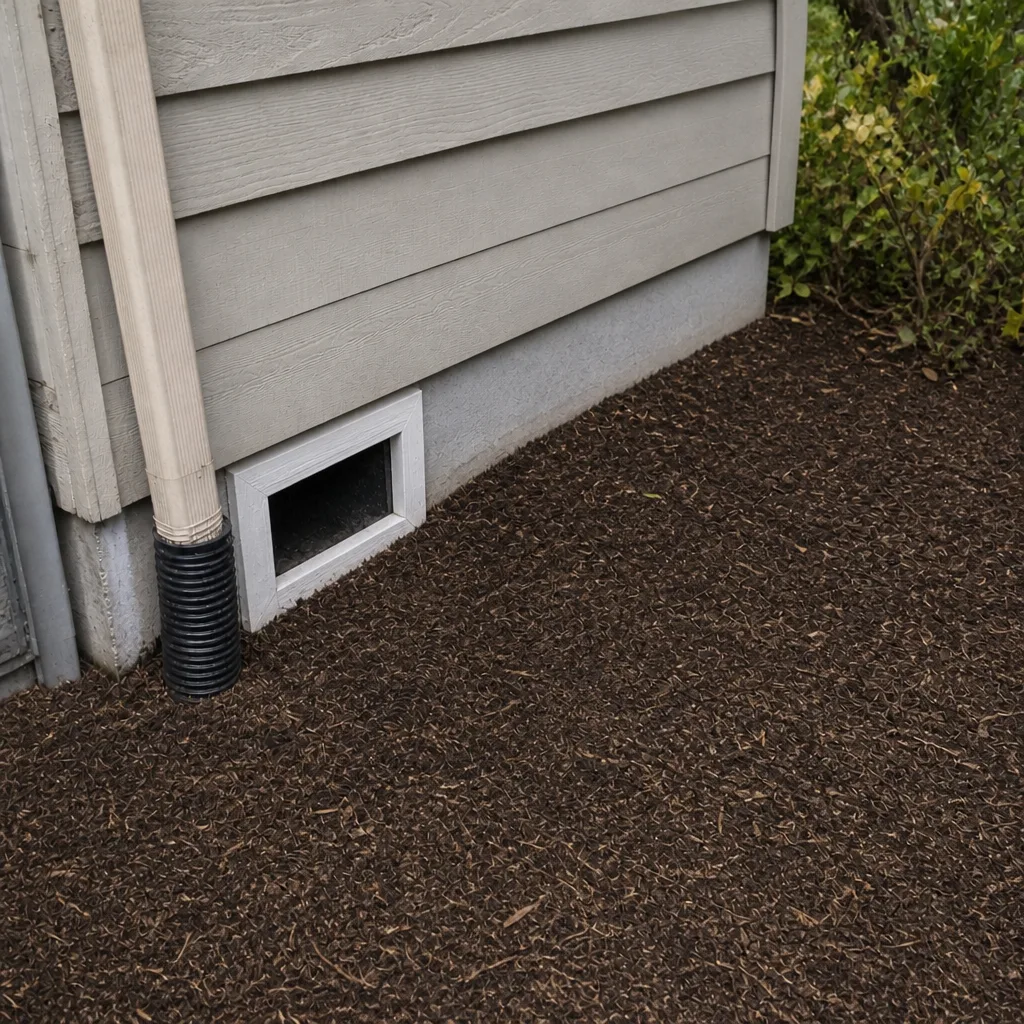 After
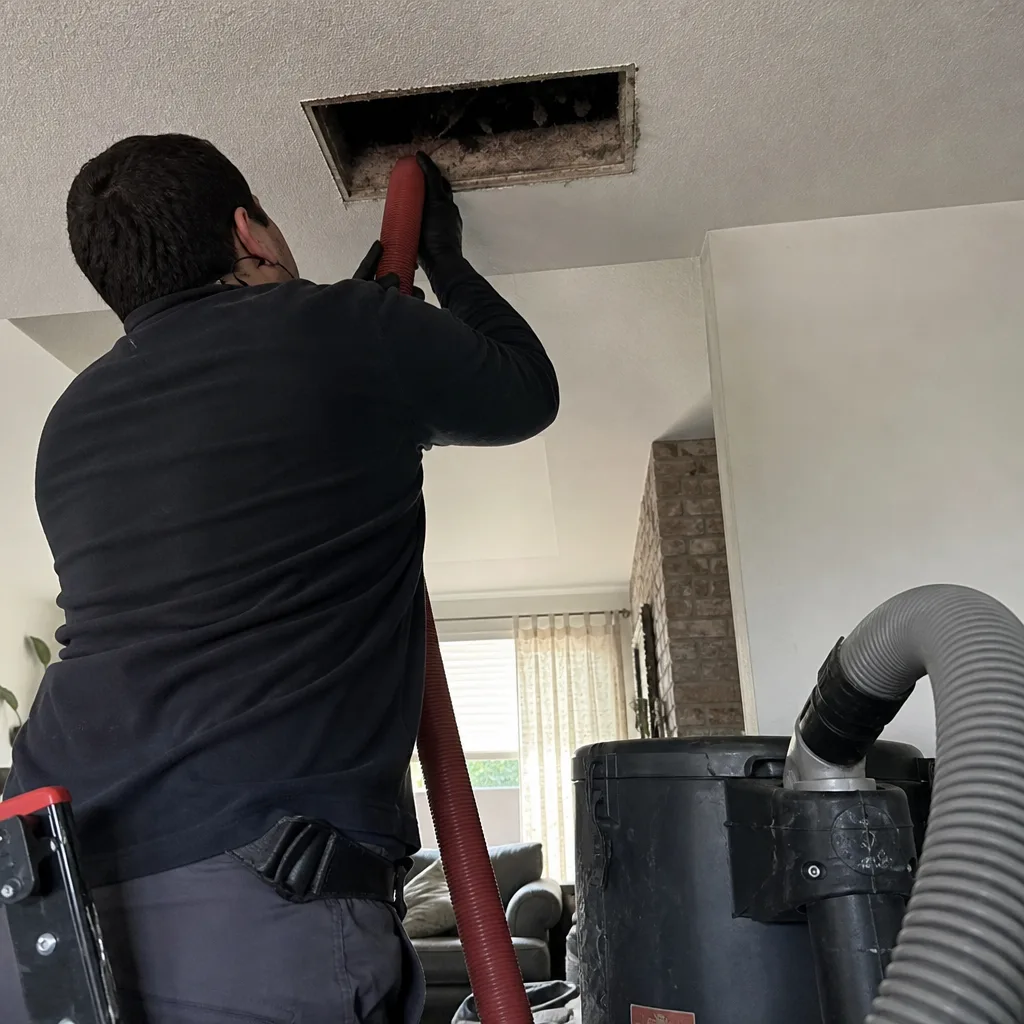 Before
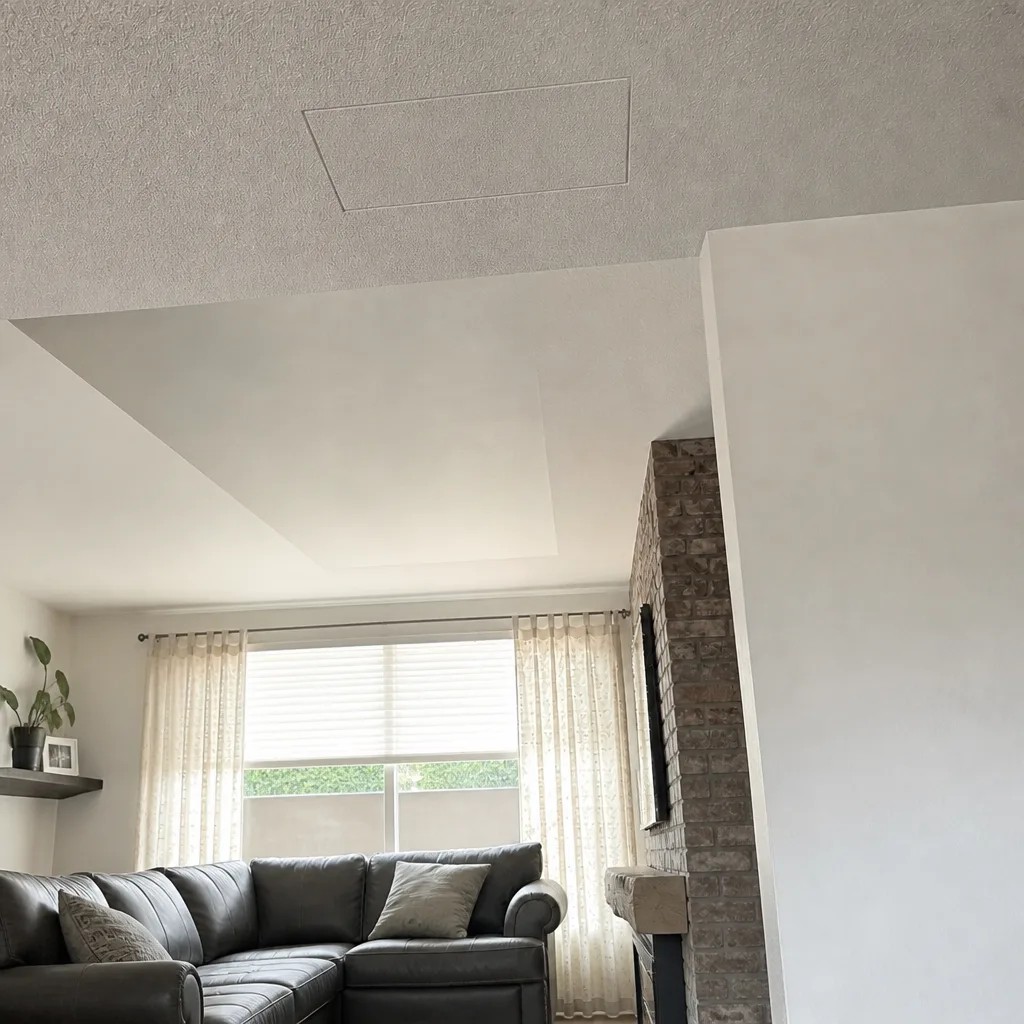 After
 Before
 After